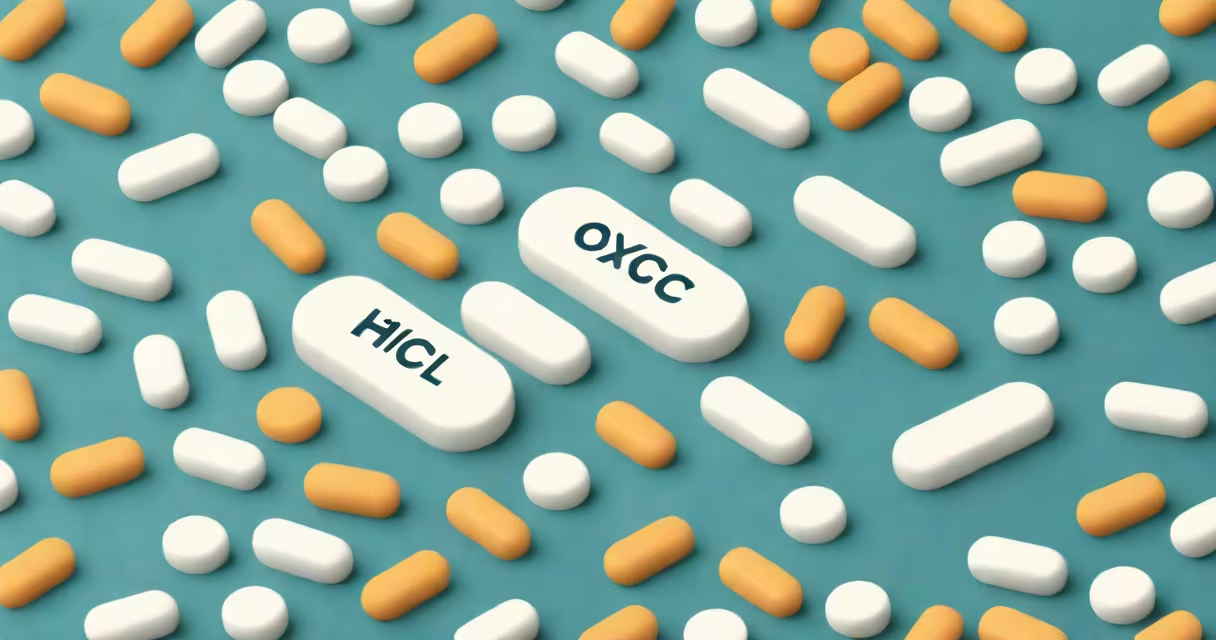
Oxycodone HCl 5 mg is a prescription opioid analgesic used to manage moderate to severe pain. It belongs to the class of drugs known as narcotic pain relievers and is available in immediate-release tablets. The drug acts on opioid receptors in the brain and spinal cord to reduce pain perception.
This formulation contains oxycodone hydrochloride, the active ingredient, in a 5 milligram dose. It is FDA-approved for pain relief but is strictly regulated due to its high potential for dependence and misuse. The U.S. Drug Enforcement Administration (DEA) lists oxycodone as a Schedule II controlled substance, meaning it has accepted medical use but also a high risk of abuse.
Patients typically take oxycodone HCl 5 mg every 6 to 12 hours as needed for pain. It is not intended for long-term use or for mild discomfort. Misuse can lead to overdose, respiratory depression, or death. The Centers for Disease Control and Prevention (CDC) reports that opioid overdoses account for over 80,000 deaths annually in the United States, with prescription opioids like oxycodone contributing.
Oxycodone HCl 5 mg binds to mu-opioid receptors in the central nervous system. This binding alters how the brain and spinal cord respond to pain signals, reducing both the intensity and emotional reaction to pain. The drug begins working within 15 to 30 minutes after oral ingestion and reaches peak concentration in about 1 to 2 hours.
The effects last approximately 4 to 6 hours. Because it is an immediate-release formulation, it does not provide extended pain control. Patients requiring around-the-clock pain management may be prescribed extended-release versions, such as OxyContin, which deliver medication over 12 hours. However, even the 5 mg immediate-release form must be taken exactly as directed to avoid complications.
A common misconception is that oxycodone provides pain relief regardless of severity. In reality, it is most effective for acute or chronic pain that does not respond to non-opioid medications like acetaminophen or ibuprofen. Using it for minor pain increases the risk of dependence without meaningful benefit.
Oxycodone HCl is available in several formulations. The 5 mg tablet is one of the most commonly prescribed doses for initial treatment or titration. Other strengths include 10 mg, 15 mg, 20 mg, and 30 mg immediate-release tablets. Extended-release forms come in 10 mg, 15 mg, 20 mg, 30 mg, and 40 mg dosages.
| Dosage Form | Strengths Available | Duration of Action | Typical Use |
|---|---|---|---|
| Immediate-Release Tablet | 5 mg, 10 mg, 15 mg, 20 mg, 30 mg | 4-6 hours | Acute or breakthrough pain |
| Extended-Release Capsule | 10 mg, 15 mg, 20 mg, 30 mg, 40 mg | 12 hours | Chronic pain management |
Each tablet is imprinted with a unique identifier. For example, the 5 mg oxycodone HCl tablet is often marked with "OC" on one side and "5" on the other. This helps pharmacists and patients verify the correct medication. Counterfeit pills mimicking this appearance have been linked to fentanyl contamination, a major public health concern.
According to the National Institute on Drug Abuse (NIDA), over 10% of people who misuse prescription opioids develop a substance use disorder. The risk increases when the drug is taken in higher doses or more frequently than prescribed. Taking oxycodone HCl 5 mg without a valid prescription or sharing it with others is illegal and dangerous.
Oxycodone HCl 5 mg is prescribed for conditions such as post-surgical pain, cancer-related pain, or severe injuries. It is not recommended for routine back pain or headaches. A 2021 study published in JAMA Internal Medicine found that nearly 40% of opioid prescriptions were written for non-cancer pain, with many patients receiving doses higher than clinically justified.
One frequent misunderstanding is that oxycodone is safe because it's "just a painkiller." In reality, it suppresses breathing and can cause sedation, dizziness, nausea, and constipation. These side effects are more pronounced in older adults or those with liver impairment. The FDA warns against using oxycodone in patients with significant respiratory issues or untreated sleep apnea.
Another misconception is that tolerance develops quickly. While tolerance can occur after weeks of daily use, it varies widely between individuals. Some patients maintain effectiveness for months, while others report diminished response within days. Dose escalation should only happen under medical supervision.
In 2022, a 54-year-old man underwent lumbar spine surgery. His surgeon prescribed oxycodone HCl 5 mg every 6 hours as needed for pain. He took one tablet every 8 hours for the first 5 days. By day 7, he reported pain scores dropping from 8/10 to 3/10 and requested to stop the medication.
He tapered off gradually over 3 days, avoiding withdrawal symptoms. His doctor monitored him for signs of dependency. After 2 weeks, he was switched to tramadol 50 mg twice daily, which provided adequate pain control with lower risk. This case illustrates proper use: short duration, low dose, and gradual discontinuation.
Contrast this with a separate incident involving a 32-year-old woman who obtained oxycodone HCl 5 mg from a friend. She began taking two tablets every 4 hours. Within 10 days, she experienced drowsiness, confusion, and shallow breathing. She was hospitalized with respiratory depression and required naloxone reversal. This outcome underscores the danger of unsupervised use.
Oxycodone HCl 5 mg is not a muscle relaxant, anti-inflammatory, or anxiety medication. It does not treat swelling, spasms, or mental health conditions. Confusing it with drugs like diazepam or ibuprofen leads to ineffective treatment and increased risk of harm.
It is also not interchangeable with other opioids. While oxycodone shares mechanisms with morphine or hydromorphone, potency differs. One 5 mg oxycodone tablet is roughly equivalent to 5 mg morphine, but individual responses vary. Switching between opioids requires careful conversion and monitoring.
A lesser-known fact is that oxycodone HCl 5 mg has a half-life of about 3 to 5 hours. This means it takes roughly 15 to 25 hours for the drug to clear from the bloodstream in most people. This clearance time affects dosing intervals and risk of accumulation in patients with renal or hepatic impairment.
I observed a patient in a primary care clinic who had been on oxycodone HCl 5 mg for six months following a motor vehicle accident. He reported persistent pain and increasing reliance on the medication. When his provider initiated a taper, he developed insomnia, sweating, and irritability. After four weeks of gradual reduction, he stabilized on non-opioid alternatives. This case highlights the challenge of discontinuing opioids after prolonged use.