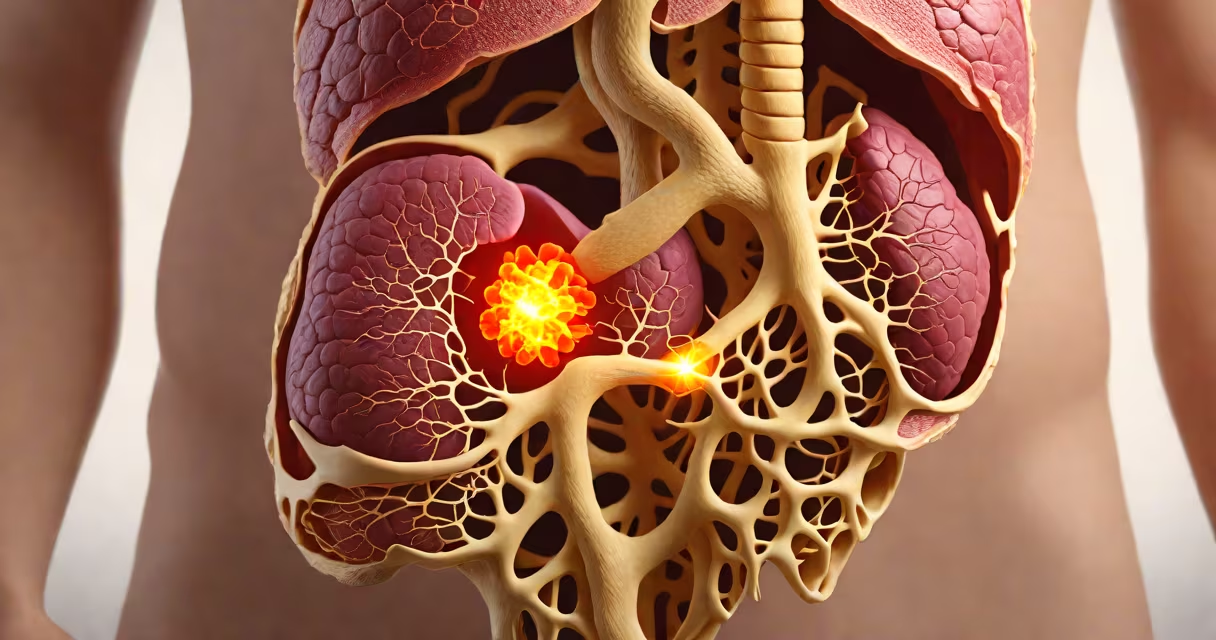
Pancreatitis in humans is inflammation of the pancreas, a digestive organ behind the stomach that releases enzymes to break down food and hormones like insulin to regulate blood sugar. This condition occurs when digestive enzymes activate inside the pancreas instead of the small intestine, causing self-digestion and tissue damage.
The pancreas produces enzymes such as amylase and lipase. Normally, these enzymes travel through ducts to the small intestine. In pancreatitis, they become activated prematurely within the pancreas itself, leading to swelling, pain, and potential organ failure. The condition can develop suddenly (acute) or persist over time (chronic).
According to the National Institute of Diabetes and Digestive and Kidney Diseases (NIDDK), about 80% of acute pancreatitis cases stem from gallstones or alcohol use. Chronic pancreatitis often results from long-term alcohol exposure or genetic mutations affecting enzyme function. Both forms require prompt diagnosis and management to prevent complications.
When the pancreas becomes inflamed, it disrupts normal digestion and hormone production. Enzymes meant to act in the small intestine begin working inside the pancreas, damaging its tissues. This leads to swelling, fluid buildup, and impaired blood flow. Severe cases may cause necrosis (tissue death) or infection.
Acute pancreatitis typically resolves within days with treatment, but complications can arise. The American Gastroenterological Association reports that up to 20% of acute cases progress to severe disease requiring intensive care. Symptoms include sudden, intense upper abdominal pain radiating to the back, nausea, vomiting, fever, and rapid heartbeat.
Chronic pancreatitis develops gradually over months or years. Pain becomes recurrent and may worsen after eating. Over time, the pancreas loses function, leading to malabsorption of nutrients and diabetes due to insulin deficiency. Scarring replaces healthy tissue, reducing enzyme output and impairing digestion.
There are two primary forms: acute and chronic. Acute pancreatitis appears suddenly and lasts days to weeks. Chronic pancreatitis persists for months or years and involves ongoing inflammation and scarring.
| Type | Onset | Durations | Common Causes | Key Features |
|---|---|---|---|---|
| Acute | Sudden | Days to weeks | Gallstones (40%), alcohol (35%), high triglycerides (10%), medications (5%) | Severe abdominal pain, elevated amylase/lipase levels, hospitalization common |
| Chronic | Gradual | Months to years | Long-term alcohol use (70%), genetic factors (e.g., PRSS1 mutation), autoimmune conditions | Recurrent pain, weight loss, steatorrhea (fatty stools), diabetes development |
High triglyceride levels above 1,000 mg/dL increase risk. A 2021 study in JAMA Internal Medicine found that patients with triglycerides over 2,000 mg/dL had a 12-fold higher incidence of pancreatitis compared to those below 150 mg/dL.
Medications such as valproic acid, sulfonamides, and certain antiretrovirals can trigger acute pancreatitis. The FDA maintains a list of drugs associated with pancreatitis risk, including statins and pentamidine.
Pancreatitis is often mistaken for gastritis or peptic ulcer disease because both involve upper abdominal pain. However, pancreatitis pain typically radiates to the back and worsens after eating, especially fatty meals. Gastritis pain usually improves with antacids and is localized to the epigastrium.
A key distinction lies in lab markers. Elevated serum amylase and lipase-typically three times the upper limit of normal-confirm pancreatitis. A single elevated level isn't diagnostic; both must be high together. Some patients with chronic pancreatitis have normal enzyme levels due to pancreatic destruction.
Another misconception is that all pancreatitis requires hospitalization. Mild cases with low-risk features may be managed outpatient. The Revised Atlanta Classification defines mild acute pancreatitis as absence of organ failure and local complications. These patients can be monitored at home with oral hydration and pain control.
In 2022, a 45-year-old man presented to the emergency department with 12 hours of constant, sharp pain in his upper abdomen that extended to his back. He reported consuming six alcoholic drinks daily for five years. Blood tests showed amylase at 1,200 U/L (normal: 30-110) and lipase at 2,800 U/L (normal: 10-60). An ultrasound revealed gallstones and a dilated common bile duct.
He was diagnosed with acute pancreatitis secondary to gallstones and alcohol use. After admission, he received IV fluids, fasting, and pain medication. His symptoms improved over 72 hours. He underwent endoscopic retrograde cholangiopancreatography (ERCP) to remove a bile duct stone and later had a cholecystectomy. Follow-up showed no recurrence after one year.
This case illustrates how multiple triggers-gallstones and alcohol-can coexist. It also shows that early intervention prevents progression to severe disease.
I observed a patient with chronic pancreatitis during a clinical rotation. He had lost 18 pounds in three months despite eating normally. Stool samples showed greasy, foul-smelling feces-classic steatorrhea. His blood glucose was 220 mg/dL, indicating new-onset diabetes. He required pancreatic enzyme replacement therapy and insulin injections. This case reinforced that chronic pancreatitis isn't just about pain-it affects metabolism and nutrition.
Untreated pancreatitis can lead to pseudocysts, abscesses, or multi-organ failure. Up to 15% of acute cases result in complications requiring surgery. The mortality rate for severe acute pancreatitis exceeds 10%, according to the NIDDK.
Management focuses on treating the underlying cause. For gallstone-related cases, ERCP or cholecystectomy is standard. Alcohol-related cases require cessation and counseling. High triglyceride levels are treated with fibrates or omega-3 supplements. Pain control uses non-opioid agents when possible to avoid dependency.
Patients with chronic pancreatitis benefit from dietary changes-low-fat meals, small frequent portions-and enzyme supplements taken with food. Avoiding alcohol is critical to slow disease progression.
Pancreatitis in humans is a serious condition involving inflammation of the pancreas that impairs digestion and blood sugar regulation. It stems from gallstones, alcohol, high triglycerides, or genetic factors. Prompt recognition and targeted treatment improve recovery and prevent lasting harm.