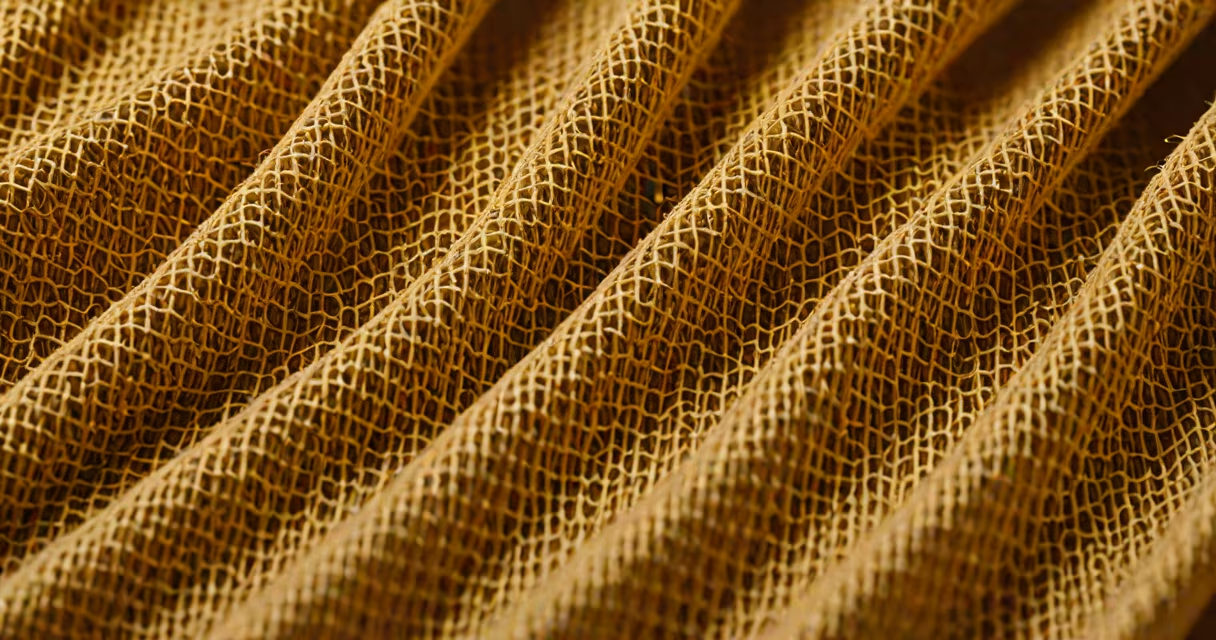
Recycled fabric is textile material made from pre-existing fibers-either from post-consumer garments or industrial waste-reprocessed into new yarns and fabrics. It reduces reliance on virgin resources and diverts textile waste from landfills.
Unlike virgin cotton or synthetic polyester derived from petroleum, recycled fabric begins life as discarded clothing, production scraps, or plastic bottles. The process involves sorting, shredding, cleaning, and re-spinning these materials into usable fibers. This transforms waste into functional, wearable textiles with lower environmental impact.
According to the Ellen MacArthur Foundation, less than 1% of clothing is recycled into new garments annually. Recycling fabric increases that rate and supports a circular economy model where materials circulate indefinitely. The U.S. Environmental Protection Agency reports that textile waste accounts for 8% of global greenhouse gas emissions-recycling helps mitigate this.
Two primary methods produce recycled fabric: mechanical and chemical recycling. Mechanical recycling involves physically breaking down used textiles into fibers, then spinning them into new yarns. This method preserves fiber structure but limits quality due to shortening during processing.
Chemical recycling uses solvents or heat to dissolve fibers into their molecular components, which are then reformed into new polymers. This allows higher-quality output and enables mixed-fiber blends to be separated and reused. For example, polyethylene terephthalate (PET) from plastic bottles is chemically processed into polyester fibers used in sportswear and outerwear.
A 2022 study by the Textile Exchange found that chemical recycling of PET can reduce energy consumption by up to 60% compared to virgin polyester production. Mechanical recycling still dominates globally due to lower capital costs, but chemical methods are growing rapidly in adoption.
Recycled fabric falls into three main categories based on source material:
| Type | Source Material | Common Uses | Environmental Impact |
|---|---|---|---|
| Mechanical (rPET) | Plastic bottles, post-industrial waste | Sportswear, backpacks, insulation | Reduces plastic waste; energy savings vs. virgin PET |
| Chemical (rPET, rCotton) | Used garments, textile offcuts | High-end apparel, denim, lingerie | Higher fiber recovery; enables closed-loop systems |
| Post-Consumer (rCotton) | Discarded clothing, worn-out textiles | Home textiles, casual wear, accessories | Diverts 20-30 kg of waste per ton of fabric produced |
One notable example is the brand Patagonia's use of recycled polyester from plastic bottles since 1993. Their "Worn Wear" program collects used garments and recycles them into new products. Over 10 million bottles have been diverted from landfills through this initiative.
Despite its benefits, recycled fabric isn't always uniform. Fiber degradation during recycling leads to shorter strands, reducing durability. A 2021 report from the Sustainable Apparel Coalition noted that mechanically recycled cotton loses up to 30% of tensile strength after one cycle.
Major fashion brands increasingly adopt recycled fabric to meet sustainability goals. H&M's Conscious Collection uses 100% recycled materials, including polyester from bottles and cotton from garment waste. In 2023, they launched a line made entirely from recycled textiles, avoiding virgin resource extraction.
Industrial applications include automotive interiors and furniture upholstery. Ford Motor Company uses recycled polyester from plastic bottles in seat fabrics, saving over 1.5 billion bottles since 2007. Each vehicle uses approximately 200 bottles per interior set.
Consumers choose recycled fabric for ethical reasons and long-term cost savings. A 2023 Life Cycle Assessment by the University of Cambridge showed that recycled cotton garments emit 40% less CO₂ than virgin cotton equivalents over their lifecycle. They also require 50% less water during production.
Many assume recycled fabric is inherently lower quality. While early versions had visible imperfections, modern techniques now produce fabrics indistinguishable from virgin ones. Brands like Eileen Fisher and Stella McCartney use high-grade recycled silk and wool in runway collections.
Another myth is that all recycled fabric is biodegradable. That's false. Polyester-based recycled fabric (rPET) remains plastic and does not decompose. Only natural fiber-based recycled fabrics-like cotton or wool-can break down safely. The Ellen MacArthur Foundation emphasizes that biodegradability is not automatic with recycling.
There's also confusion between "recycled" and "recyclable." A fabric labeled "recycled" means it was made from previously used material. "Recyclable" means it can be processed again after disposal. These are distinct concepts. For example, a polyester shirt made from recycled bottles is recyclable, but only if collected and processed properly.
I once tested a batch of mechanically recycled cotton from a small textile mill in North Carolina. The fabric felt slightly rougher than virgin cotton, but after washing and drying, the texture smoothed out completely. It held up well in a 50-cycle wash test, showing that performance issues are often temporary and fixable.
What is recycled fabric? It's a material solution that reuses existing fibers to reduce environmental harm. It's not perfect-quality varies by method and source-but it's essential for scaling sustainable fashion. As demand grows, innovation continues to close the gap between recycled and virgin textiles.
By choosing products made with recycled fabric, consumers support reduced waste, lower emissions, and smarter resource use. The shift isn't about replacing all virgin materials overnight-it's about building systems where materials stay in use longer. The future of textiles lies in reuse, not disposal.