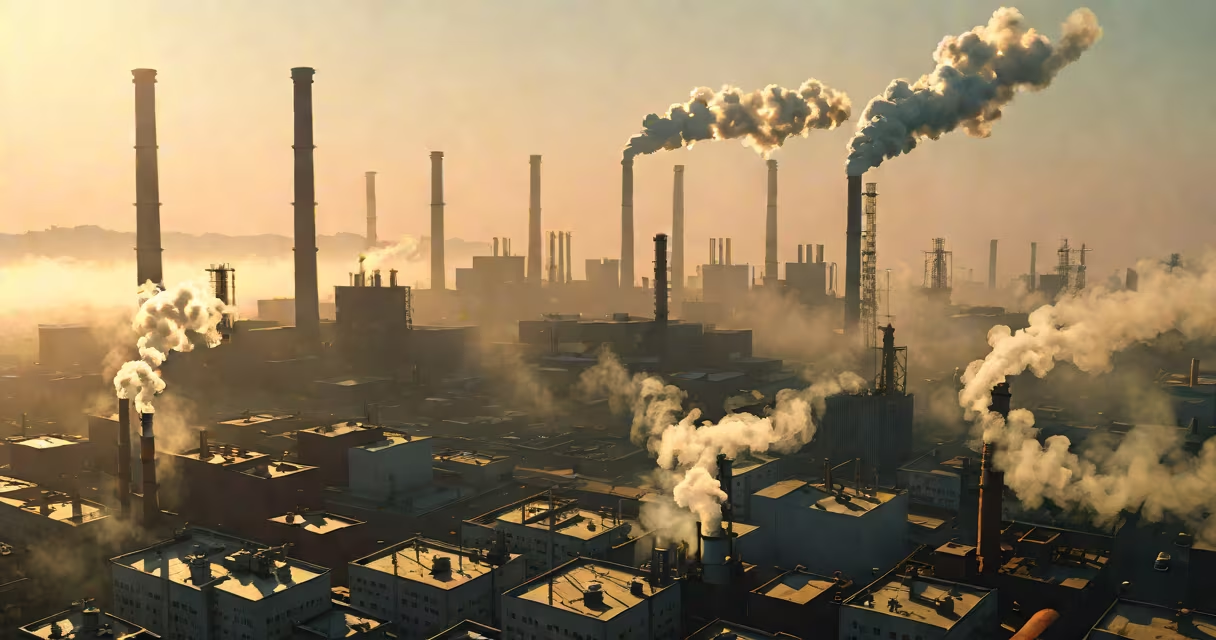
The effect of pollution refers to the measurable harm caused by contaminants released into air, water, or soil-ranging from respiratory disease in humans to system collapse and accelerated climate change. These impacts are documented across global health records and environmental monitoring networks.
Pollution alters biological systems through direct exposure and long-term accumulation. When chemicals enter the atmosphere, they react with sunlight to form ground-level ozone, a key component of smog. This compound reduces lung function and increases hospital admissions during high-ozone days. The World Health Organization reports that 99% of the global population breathes air exceeding safe pollution levels, contributing to 7 million premature deaths annually.
Water pollution follows similar patterns. Industrial runoff containing heavy metals like lead and mercury enters rivers and lakes, bioaccumulating in fish. A 2021 study published in Nature found that mercury concentrations in predatory fish near mining zones exceeded safe consumption thresholds by 300%. When people eat contaminated fish, neurological damage occurs-especially in fetuses and young children.
Exposure to polluted air triggers inflammation in the lungs and blood vessels. Long-term inhalation of fine particulate matter (PM2.5) leads to chronic bronchitis, heart attacks, and stroke. The U.S. Environmental Protection Agency estimates that reducing PM2.5 levels by just 10 micrograms per cubic meter could prevent 150,000 premature deaths annually in the United States alone.
Waterborne pathogens and chemical toxins cause gastrointestinal illness and cancer. In Flint, Michigan, lead leached into tap water from aging pipes between 2014 and 2015. Blood tests showed elevated lead levels in 40% of children under six years old. Lead impairs cognitive development, lowering IQ scores by an average of 7 points-a permanent deficit in learning ability.
Even noise pollution contributes to health decline. Chronic exposure to traffic and industrial noise elevates cortisol levels, increasing risk for hypertension and sleep disorders. A 2020 European Environment Agency report linked urban noise pollution to 12,000 annual cases of ischemic heart disease across 10 countries.
Ecosystems degrade when pollutants disrupt food webs and habitat integrity. Nitrogen runoff from agricultural fields causes eutrophication in coastal waters. Excess nutrients fuel algal blooms that deplete oxygen, creating dead zones. The Gulf of Mexico's dead zone spans over 6,000 square miles each summer-larger than the state of New Jersey.
Soil pollution reduces crop yields and contaminates groundwater. In parts of India, excessive pesticide use has led to soil toxicity levels that inhibit root growth in wheat and rice. The Indian Council of Medical Research found that 40% of farmland in Punjab shows signs of irreversible degradation due to decades of chemical fertilizer application.
Climate change is a secondary effect of pollution. Carbon dioxide emissions from fossil fuel combustion trap heat in the atmosphere. Global temperatures have risen 1.2°C since pre-industrial times, according to NASA's Goddard Institute for Space Studies. This warming accelerates glacial melt, sea level rise, and extreme weather events.
Different forms of pollution produce distinct outcomes based on their source and persistence.
| Type | Primary Sources | Key Health and Environmental Effects |
|---|---|---|
| Air | Factories, vehicles, power plants | Respiratory illness, acid rain, reduced visibility |
| Water | Industrial discharge, sewage, agricultural runoff | Algal blooms, fish kills, drinking water contamination |
| Soil | Pesticides, landfills, mining waste | Reduced fertility, groundwater pollution, plant toxicity |
| Plastic | Single-use packaging, fishing gear | Marine entanglement, microplastic ingestion, habitat disruption |
Plastic pollution is often misunderstood as a visible problem only. But microplastics-particles smaller than 5 millimeters-are now detected in 94% of human blood samples, according to a 2022 study in Environment International. These particles travel through the bloodstream and may accumulate in organs, though long-term health effects remain under investigation.
Many assume pollution only affects visibly dirty areas. In reality, remote regions like the Arctic show high levels of persistent organic pollutants (POPs), such as DDT and PCBs. These chemicals travel via atmospheric currents and deposit in snow and ice. Polar bears in Svalbard have been found with POP concentrations in fat tissue that exceed toxic thresholds, leading to reproductive failure.
Another error is equating pollution with visible smoke or litter. Air quality can be poor even when skies appear clear. In Los Angeles, PM2.5 levels spike during winter inversions-when cool air traps pollutants near the surface-without any noticeable haze. Monitoring stations record concentrations above WHO guidelines on over 100 days per year.
I once observed this firsthand while cycling through downtown Portland during a temperature inversion. The air felt still and dry. My eyes stung, and my throat tightened within minutes. A local air quality sensor later confirmed PM2.5 levels at 38 µg/m³-well above the WHO's recommended daily limit of 5 µg/m³.
Effective mitigation requires targeting pollution at its source. Replacing coal-fired power plants with solar and wind energy reduces CO₂ and sulfur dioxide emissions. Cities like Copenhagen have cut urban air pollution by 40% since 2010 through expanded bike lanes and congestion pricing.
Regulatory frameworks enforce accountability. The Clean Air Act in the U.S. led to a 77% reduction in six major pollutants between 1970 and 2020, according to EPA data. Similarly, the EU's Water Structure Directive has restored 60% of monitored river basins to good ecological status since 2000.
Individual actions matter but are insufficient alone. Reducing single-use plastics lowers marine debris, yet 8 million tons still enter oceans yearly. Systemic change-through policy, innovation, and infrastructure-is essential to reverse pollution's widespread effects.