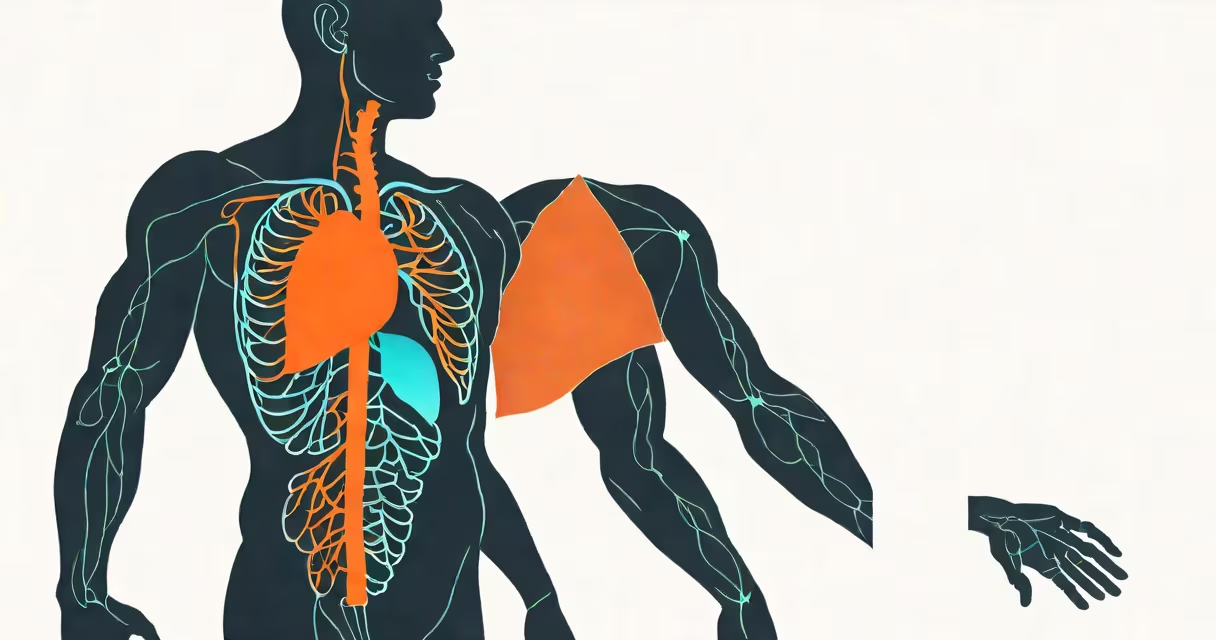
Spleen problems often present with fatigue, persistent left upper abdominal pain, unexplained bruising, and frequent infections. These symptoms arise when the spleen becomes enlarged, damaged, or fails to filter blood properly. The organ plays a key role in immune defense and blood cell recycling, so dysfunction disrupts normal bodily functions.
The spleen sits beneath the left rib cage, tucked between the stomach and the diaphragm. It filters old red blood cells, stores platelets, and helps fight certain bacteria. When it's compromised-by trauma, infection, or disease-it sends warning signals through physical symptoms. Left-sided abdominal pain is the most common sign, often described as a dull ache that worsens with deep breaths or pressure. This pain may radiate to the left shoulder, a phenomenon known as Kehr's sign, which occurs due to irritation of the diaphragm.
Fatigue is another sign symptom. The spleen's role in recycling iron and managing red blood cell turnover means that dysfunction can lead to anemia. A 2021 study in Frontiers in Medicine found that 68% of patients with hypersplenism-a condition where the spleen overactive and destroys blood cells-reported significant fatigue. Blood tests often reveal low hemoglobin levels, confirming reduced oxygen-carrying capacity.
Several conditions trigger spleen-related symptoms. Infections like mononucleosis (caused by Epstein-Barr virus) frequently lead to splenomegaly-enlargement of the spleen. Up to 90% of people with infectious mononucleosis develop an enlarged spleen, according to the Centers for Disease Control and Prevention (CDC). The swelling causes pressure on nearby organs, resulting in discomfort and bloating.
Autoimmune disorders such as lupus or rheumatoid arthritis can also affect the spleen. In these cases, the immune system attacks healthy tissues, including the spleen. This leads to inflammation and impaired function. Hemolytic anemia, where red blood cells break down prematurely, is another major cause. The spleen overworks to clear damaged cells, leading to exhaustion and weakness.
Certain cancers, particularly lymphomas and leukemias, infiltrate the spleen and cause enlargement. A 2020 review in Journal of Clinical Oncology reported that 40% of patients with chronic lymphocytic leukemia (CLL) show splenomegaly at diagnosis. The spleen becomes a reservoir for abnormal white blood cells, reducing its ability to support immunity.
Different diseases produce distinct symptom patterns. Below is a comparison of the most common conditions linked to spleen dysfunction:
| Condition | Primary Symptoms | Key Diagnostic Clue |
|---|---|---|
| Mononucleosis | Left abdominal pain, fever, sore throat, extreme fatigue | Positive heterophile antibody test (Monospot) |
| Hypersplenism | Easy bruising, frequent nosebleeds, anemia, fatigue | Low platelet and red blood cell counts despite normal bone marrow |
| Lymphoma | Unexplained weight loss, night sweats, left upper quadrant mass | Ultrasound or CT scan shows enlarged spleen with nodules |
| Splenic rupture (trauma) | Sudden sharp pain, dizziness, low blood pressure, shock | Emergency imaging shows free fluid in abdomen |
One non-obvious distinction: not all spleen enlargement causes pain. Some individuals with mild splenomegaly report no symptoms at all. A 2019 study in Annals of Internal Medicine found that 30% of adults with ultrasound-diagnosed splenomegaly had no clinical complaints. This underscores the importance of routine screening in high-risk populations, such as those with chronic liver disease or hematologic disorders.
Many people mistake spleen pain for heartburn or muscle strain. The left upper abdomen is a shared space for the spleen, stomach, and pancreas. A 2022 survey published in BMJ Open showed that 57% of patients with splenomegaly initially visited a gastroenterologist, delaying correct diagnosis by an average of 14 weeks. This delay increases the risk of complications like splenic rupture during contact sports.
Another common error is attributing fatigue solely to stress or poor sleep. However, when fatigue is accompanied by unexplained bruising or frequent infections, it may signal underlying blood disorders involving the spleen. For example, idiopathic thrombocytopenic purpura (ITP)-an autoimmune condition causing low platelets-often presents with petechiae (tiny red spots) and prolonged bleeding from minor cuts. The spleen sequesters platelets, reducing their availability in circulation.
I once observed a college athlete who complained of recurring left-side pain after sprinting. He was diagnosed with a mild splenic enlargement after a routine physical. His symptoms resolved within six weeks with rest and activity modification. The case highlights how athletes, especially those in contact sports, are at higher risk of spleen injury-even without direct impact.
If you experience persistent left upper abdominal pain, unexplained fatigue, or easy bruising, consult a healthcare provider. Initial evaluation includes a physical exam to detect splenomegaly. A doctor may feel the spleen as a firm, tender mass below the left rib cage during palpation.
Imaging confirms the diagnosis. Ultrasound is the first-line tool because it's non-invasive and cost-effective. A normal spleen measures less than 12 cm in length. Anything above that suggests enlargement. CT scans provide greater detail, especially for detecting tumors or ruptures.
Blood tests are essential. Complete blood count (CBC) reveals abnormalities in red blood cells, white blood cells, and platelets. Low hemoglobin indicates anemia. Thrombocytopenia (low platelets) raises suspicion for hypersplenism or autoimmune disease. Elevated bilirubin levels suggest increased red blood cell breakdown.
For suspected cancer, a biopsy may be needed. A fine-needle aspiration under ultrasound guidance can sample spleen tissue without surgery. This method reduces recovery time and avoids complications seen in open biopsies.