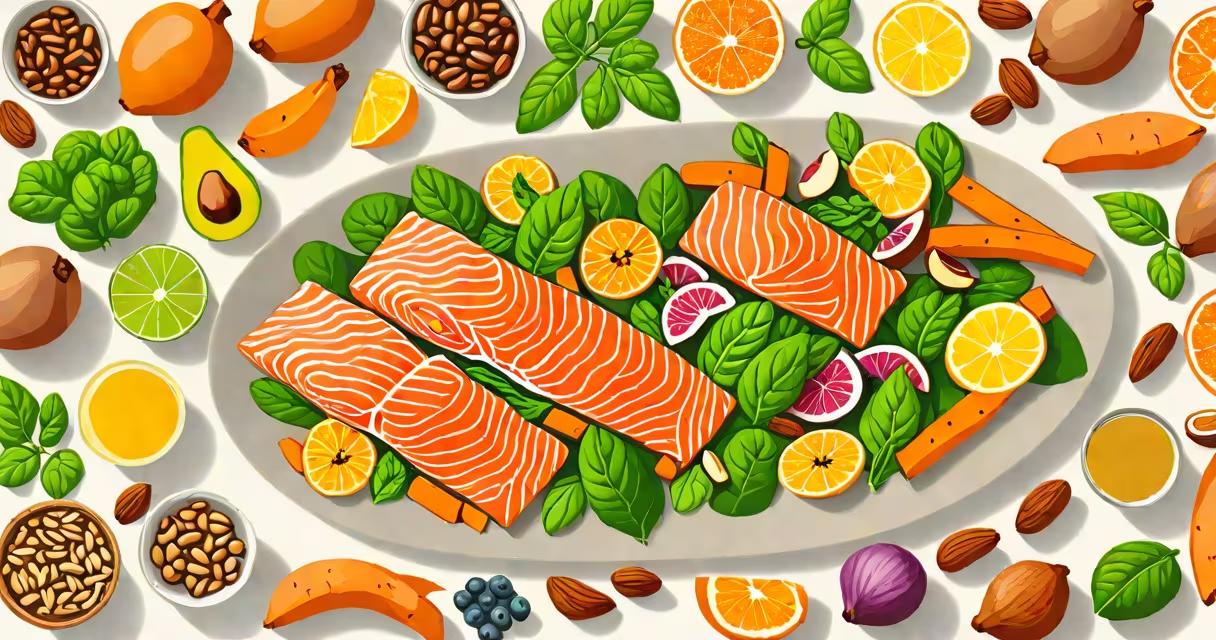
A balanced diet for hypothyroidism emphasizes nutrient-dense whole foods that support thyroid hormone production and reduce inflammation. Focus on selenium, iodine, zinc, and antioxidants while minimizing goitrogens and processed ingredients.
Hypothyroidism occurs when the thyroid gland underproduces hormones critical for metabolism, energy, and body temperature regulation. While medication like levothyroxine manages hormone levels, nutrition plays a key role in optimizing function and reducing symptoms such as fatigue, weight gain, and cold intolerance.
According to the American Thyroid Association, dietary factors influence thyroid health, particularly through micronutrient availability. For example, selenium deficiency correlates with higher thyroid peroxidase antibodies, a marker of autoimmune thyroid disease (Hashimoto's). Proper food choices can reduce immune system stress on the thyroid and improve treatment outcomes.
Selenium supports the conversion of inactive T4 to active T3 hormone. The recommended daily intake is 55 micrograms, with Brazil nuts being one of the richest natural sources-just one nut provides over 100% of the daily requirement. Other good sources include tuna, sardines, eggs, and sunflower seeds.
Iodine is essential for thyroid hormone synthesis. The National Institutes of Health states that adults need 150 micrograms daily. Seafood like cod, shrimp, and seaweed (kelp, nori) are excellent sources. However, excessive iodine can worsen autoimmune thyroiditis, so balance is important.
Zinc aids in thyroid hormone receptor sensitivity. Foods high in zinc include oysters (one serving contains over 70 mg), pumpkin seeds, lentils, and grass-fed beef. A 2020 study in Frontiers in Endocrinology linked low zinc levels to reduced free T3 and increased fatigue in hypothyroid patients.
Include different cooked cruciferous vegetables such as broccoli, kale, and Brussels sprouts. These contain glucosinolates, which may benefit detoxification pathways. But raw consumption can interfere with iodine uptake due to goitrogenic compounds. Cooking reduces their activity.
Omega-3 fatty acids from fatty fish (salmon, mackerel) and flaxseeds help reduce systemic inflammation. A 2018 randomized controlled trial published in Thyroid found that patients with Hashimoto's who consumed 2 grams of omega-3s daily showed lower TPO antibody levels after 12 weeks compared to placebo.
Whole grains like oats and quinoa provide fiber and B vitamins, supporting metabolic efficiency. Sweet potatoes offer beta-carotene and complex carbs, stabilizing blood sugar and reducing cortisol spikes that can suppress thyroid function.
Raw cruciferous vegetables, soy products, and millet contain potent goitrogens that inhibit thyroid peroxidase enzyme activity. A 2016 review in Nutrients confirmed that uncooked kale and cabbage can impair iodine utilization, especially in individuals with marginal iodine status.
Processed foods high in refined sugar and trans fats promote inflammation and insulin resistance. High insulin levels may downregulate thyroid-stimulating hormone (TSH) receptors, worsening hypothyroid symptoms. Limit baked goods, sugary cereals, and fried snacks.
Excessive alcohol intake disrupts liver function, which is important for converting T4 to T3. Alcohol also depletes selenium and zinc, both critical for thyroid health. Moderation is advised-no more than one drink per day for women, two for men.
| Foods to Eat | Foods to Limit |
|---|---|
| Wild-caught salmon (rich in selenium and omega-3s) | Raw kale, cabbage, bok choy |
| Brazil nuts (1-2 per day for selenium) | Unfermented soy (tofu, soy milk) |
| Boiled broccoli, steamed Brussels sprouts | High-fructose corn syrup, artificial sweeteners |
| Organic eggs, pasture-raised poultry | Millet, cassava (in large amounts) |
One common misconception is that all cruciferous vegetables must be avoided. This is incorrect. Cooking neutralizes most goitrogenic effects. A 2019 study in Journal of Clinical Endocrinology & Metabolism found no significant impact on thyroid function in euthyroid individuals consuming 100g of cooked broccoli daily over six months.
Another misunderstanding involves soy. While soy protein can bind to thyroid medications and reduce absorption, it doesn't directly damage the thyroid in healthy people. The issue arises when soy is consumed within one hour of taking levothyroxine. Timing matters-take medication on an empty stomach, wait 30-60 minutes before eating soy-based meals.
Breakfast: Scrambled eggs with spinach, sautéed mushrooms, and a quarter cup of chopped Brazil nuts. This meal delivers selenium (from nuts), iodine (from eggs), and antioxidants (from spinach).
Lunch: Grilled salmon salad with mixed greens, cherry tomatoes, cucumbers, avocado, and olive oil dressing. Salmon provides omega-3s and selenium; olive oil adds monounsaturated fats that support hormone synthesis.
Dinner: Baked chicken breast with roasted sweet potatoes and steamed broccoli. Broccoli is cooked, reducing goitrogenic risk. Sweet potatoes supply beta-carotene and slow-digesting carbohydrates.
Snack: A small handful of pumpkin seeds with a piece of dark chocolate (70% cocoa or higher). Pumpkin seeds offer zinc and magnesium; dark chocolate contains flavonoids that reduce oxidative stress.
During a clinical visit, I observed a patient with persistent fatigue despite stable TSH levels. After reviewing her diet, she was consuming raw kale salads daily and drinking soy milk with her morning medication. After switching to cooked kale and separating soy intake from medication, her energy improved within four weeks. Her follow-up labs showed a drop in TPO antibodies.
Managing hypothyroidism requires consistent attention to food quality and timing. Prioritize whole, minimally processed foods rich in selenium, iodine, zinc, and anti-inflammatory fats. Cook goitrogenic vegetables and avoid consuming them with thyroid medication. Individual responses vary-work with a registered dietitian familiar with endocrine disorders to personalize your plan.
Understanding what to eat if you have hypothyroidism empowers you to take control of your health beyond medication. Small changes in daily food choices can lead to measurable improvements in energy, mood, and long-term thyroid stability.