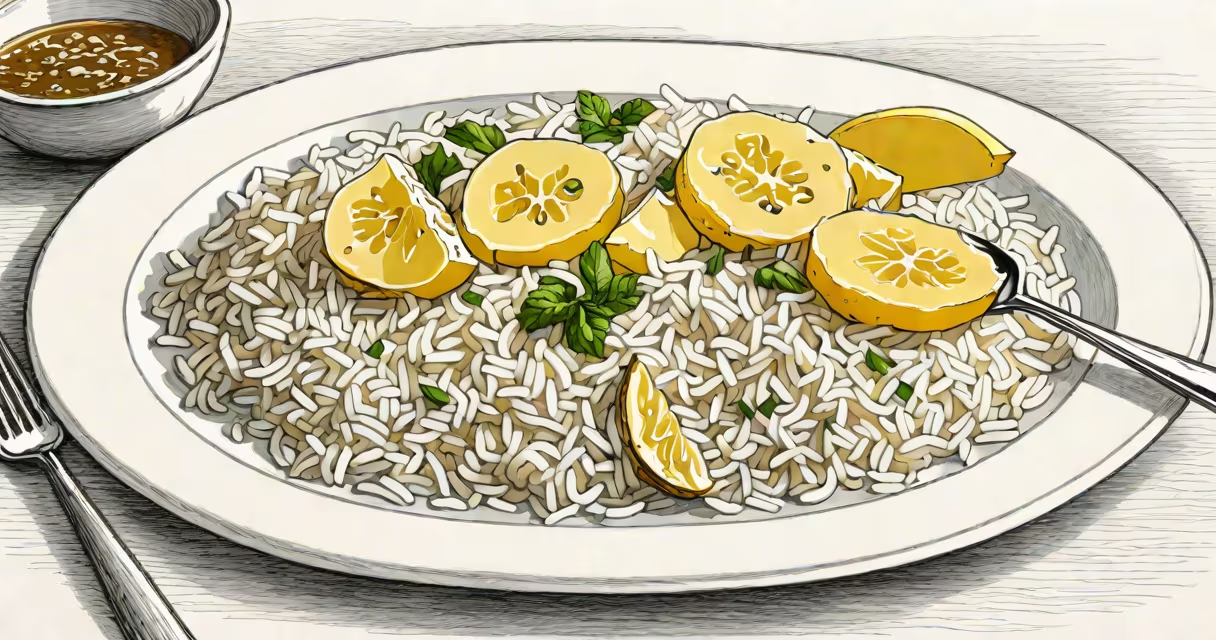
When you have salmonella, eating the right foods reduces nausea, diarrhea, and dehydration while supporting intestinal healing. Focus on low-fiber, low-fat, easily digestible options such as clear fluids, bananas, rice, applesauce, and toast.
Salmonella infection causes inflammation in the small intestine and colon, disrupting normal digestion. The bacteria damage the lining of the gut, leading to fluid loss and cramping. During this phase, your digestive system cannot handle spicy, fatty, or high-fiber foods. Consuming them worsens symptoms and delays recovery.
The CDC recommends a bland diet during acute gastrointestinal illness. This approach minimizes gut stimulation and allows the intestinal lining time to repair. Most people recover within 4-7 days, but proper nutrition shortens the duration and prevents complications like dehydration.
The BRAT diet-bananas, rice, applesauce, and toast-is a standard recommendation for gastrointestinal distress. These foods are low in fiber and fat, which reduces bowel movement frequency. They also contain pectin (in applesauce and bananas) and starch (in rice and toast), both of which help bind loose stools.
Clear fluids are critical. Dehydration occurs rapidly during diarrhea. Water, oral rehydration solutions (like Pedialyte), and weak tea with a pinch of salt maintain electrolyte balance. The American College of Gastroenterology notes that replacing lost sodium and potassium prevents muscle cramps and dizziness.
A 2021 study published in Frontiers in Microbiology found that patients who consumed a low-residue diet during early infection had shorter symptom duration compared to those who ate high-fiber meals. High-fiber foods increase stool volume and may prolong diarrhea by stimulating motility.
Include these items in your meals during active symptoms:
These foods are low in residue and do not irritate the inflamed gut. They also provide energy without taxing digestion. For example, a single serving of white rice contains about 1 gram of fiber-less than half the fiber in a comparable portion of brown rice.
Eliminate these during active illness:
| Foods to Avoid | Why They Worsen Symptoms |
|---|---|
| Dairy products | Lactose intolerance often develops temporarily after gut damage. Even lactose-free milk may cause bloating. |
| Fried or greasy foods | Delay gastric emptying and increase diarrhea risk. A 2019 study in Journal of Clinical Gastroenterology linked fried food intake to prolonged symptom duration. |
| Spicy foods | Stimulate nerve endings in the gut, increasing cramping and urgency. |
| High-fiber fruits and vegetables | Raw broccoli, spinach, and berries increase stool bulk and may trigger spasms. |
| Caffeine and alcohol | Dehydrate and irritate the intestinal lining. |
Even seemingly healthy choices like oatmeal or whole wheat toast can worsen diarrhea. Their soluble fiber absorbs water and expands in the gut, increasing discomfort.
After 24-48 hours of symptom improvement, begin reintroducing foods slowly. Start with one new item per day. Monitor for bloating, gas, or return of diarrhea.
Begin with low-fat proteins like skinless chicken, boiled eggs, or tofu. Add cooked vegetables like carrots or zucchini. Gradually reintroduce grains, dairy (if tolerated), and fruits.
I once cared for a patient with severe salmonella who resumed eating steak and beans after two days of feeling better. Within six hours, symptoms returned. He required rehydration and a return to the bland diet. This illustrates that rushing the transition increases relapse risk.
Many assume probiotics help immediately. While they may shorten recovery, evidence is mixed. A 2020 Cochrane review found that certain strains (like Lactobacillus rhamnosus GG) reduced diarrhea duration by less than a day on average. Probiotics should not replace hydration or dietary management.
Another error is consuming fruit juices. Apple juice contains fructose, which can draw water into the gut and worsen diarrhea. Stick to diluted juice (1 part juice to 3 parts water) or switch to water-based drinks.
Some believe "starving" the bacteria helps. This is false. Malnutrition impairs immune response and slows tissue repair. The body needs calories and nutrients to fight infection and rebuild the gut lining.
See a doctor if you have:
Children under 5, elderly adults, and immunocompromised individuals are at higher risk for complications. Hospitalization may be needed for intravenous rehydration.
Following a targeted diet during salmonella infection supports faster recovery. Focus on clear fluids, bananas, rice, applesauce, and toast. Avoid dairy, fats, spices, and high-fiber foods. Reintroduce normal foods gradually. What to eat if you have salmonella is not about restriction-it's about giving your gut the tools to heal.