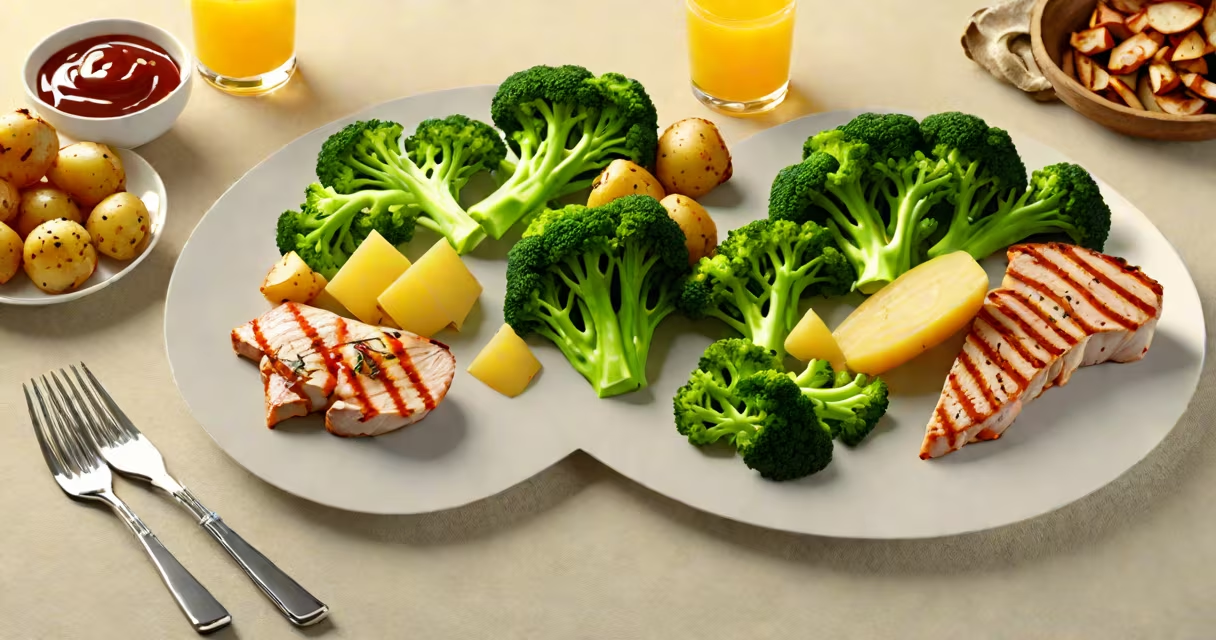
After gallbladder removal, eating low-fat, easily digestible foods helps prevent diarrhea, bloating, and cramping during recovery. The gallbladder stores bile for fat digestion, so its absence requires adjusting food choices to avoid overwhelming the liver's continuous bile release.
Recovery begins with clear liquids and gradually progresses to soft, bland foods. The body adapts over weeks, but initial dietary choices influence comfort and healing. Most people tolerate well-cooked, low-fat meals within 24-48 hours after laparoscopic surgery.
According to the American College of Gastroenterology, patients should avoid fried, greasy, or high-fat meals for at least four to six weeks post-surgery. High-fat intake increases the risk of diarrhea due to unregulated bile flow into the intestines.
The gallbladder normally concentrates and stores bile produced by the liver. When you eat fats, it contracts and releases bile into the small intestine to break down fat molecules. Without the gallbladder, bile flows continuously from the liver into the intestines, which can lead to poor fat digestion.
This constant bile flow causes symptoms like loose stools, gas, and abdominal pain when consuming fatty meals. The digestive system recalibrates over time, but most people benefit from reducing fat intake for several weeks.
A 2020 study published in Frontiers in Physiology found that 68% of patients reported improved bowel regularity after adopting a low-fat diet during the first month post-surgery. The study emphasized gradual reintroduction of fats rather than abrupt changes.
Start with clear fluids: water, herbal teas, broth, and sugar-free electrolyte drinks. Progress to soft, low-fat foods such as plain rice, boiled potatoes, toast, and bananas. These are gentle on the stomach and minimize digestive stress.
As tolerance improves, introduce lean proteins like skinless chicken breast, turkey, or baked fish. Pair them with steamed vegetables-zucchini, carrots, or green beans-cooked without butter or oil. A simple meal might be grilled salmon with mashed cauliflower and a side of applesauce.
Here's a sample day of eating after gallbladder removal:
These choices provide protein and fiber while keeping fat under 10 grams per meal. Avoid adding cream sauces, cheese, or fried toppings.
High-fat foods trigger digestive distress. Avoid fried foods, fatty meats, full-fat dairy, nuts, avocado, and processed snacks. Even small portions of these can cause diarrhea or cramping.
Many assume they can return to normal eating quickly. But the digestive system takes time to adapt. One patient in a clinical review reported severe diarrhea after eating a single slice of pizza two weeks post-op. The incident led to hospitalization for dehydration.
Another common error is overeating. Large meals overwhelm the digestive tract. Smaller, frequent meals-four to five per day-are better tolerated than three large ones.
| Foods to Eat | Foods to Avoid |
|---|---|
| Boiled potatoes, plain rice, oatmeal | Fried chicken, bacon, sausage |
| Grilled fish, skinless poultry | Full-fat yogurt, cheese, butter |
| Steamed vegetables, applesauce | Nuts, avocado, coconut milk |
| Herbal tea, water, diluted juice | Carbonated drinks, alcohol |
I once observed a patient who ate a large kale salad with olive oil dressing on day three post-op. She developed severe cramps and diarrhea within two hours. The combination of raw fiber and fat overwhelmed her system. Cooking greens reduces their fiber load and makes them easier to digest.
When introducing salads, use mild greens like romaine or spinach, avoid cruciferous vegetables (broccoli, cabbage), and use dressings sparingly. Opt for vinegar-based or lemon juice-based dressings instead of oil-heavy ones.
Most people regain normal digestion within three to six months. By then, many can reintroduce moderate amounts of fat. However, some develop chronic diarrhea or fat malabsorption, known as postcholecystectomy syndrome.
For those with ongoing symptoms, a low-fat, high-fiber diet remains beneficial. The National Institute of Diabetes and Digestive and Kidney Diseases recommends limiting fat to less than 30 grams per day long-term. This includes hidden fats in processed foods.
One non-obvious fact: even healthy fats like olive oil or flaxseed oil can trigger symptoms if consumed in excess. A tablespoon contains about 14 grams of fat-enough to cause discomfort in sensitive individuals.
Listen to your body. Keep a food diary to track triggers. If bloating or diarrhea persists beyond six months, consult a gastroenterologist. Some patients benefit from pancreatic enzyme supplements or bile acid binders.
Recovery after gallbladder removal centers on patience and consistent dietary choices. Focus on low-fat, high-fiber foods and avoid sudden shifts. Gradual reintroduction of fats ensures long-term comfort and prevents complications.
Understanding what to eat after having your gallbladder removed reduces risk and supports healing. Start slow, monitor reactions, and adjust based on individual tolerance. Most people return to normal eating patterns within a few months.