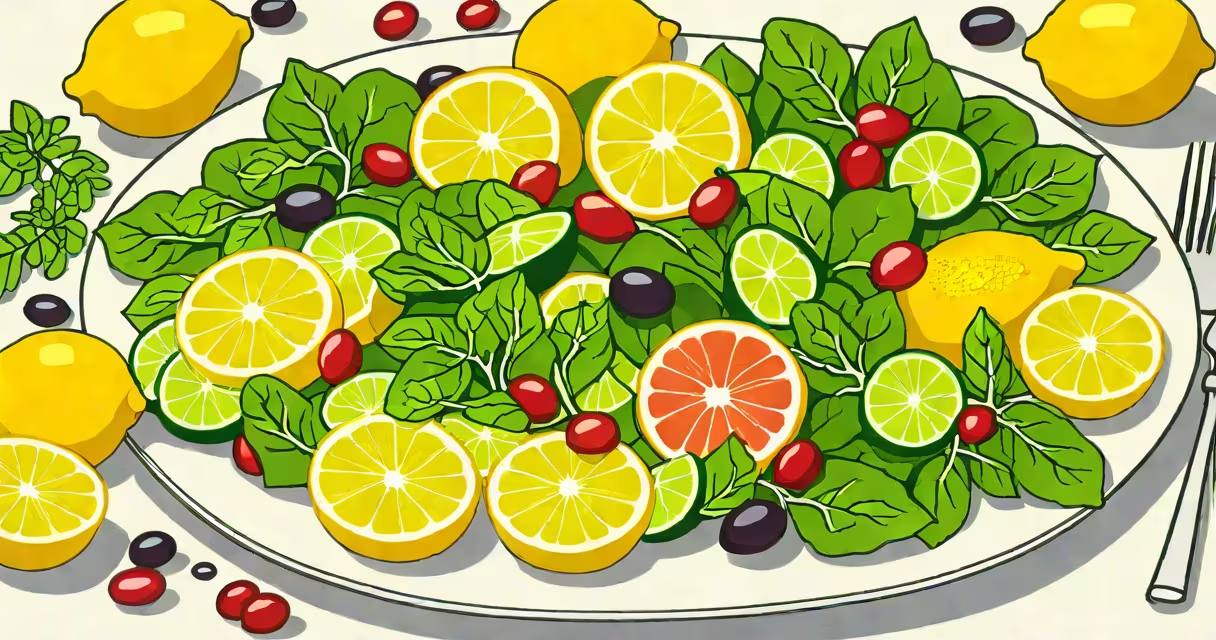
Avoiding high-oxalate, high-sodium, and high-purine foods while increasing fluid intake and consuming citrate-rich fruits like lemons can reduce kidney stone formation and ease symptoms during episodes. This dietary approach supports kidney function and lowers the risk of new stones.
Kidney stones form when minerals like calcium, oxalate, and uric acid crystallize in urine. The most common type is calcium oxalate stones, which account for about 80% of cases. Diet influences stone development through urinary concentration, pH balance, and mineral excretion. A well-planned eating pattern reduces stone recurrence by altering urine composition.
The National Institute of Diabetes and Digestive and Kidney Diseases (NIDDK) recommends drinking at least 2.5 liters of fluid daily to maintain urine dilution. Citrate, found in citrus fruits, binds calcium in the urine and inhibits crystal growth. Studies show that regular lemonade consumption can increase citrate levels by up to 30%, reducing stone risk.
Low-oxalate vegetables such as zucchini, cabbage, and green beans provide fiber and nutrients without raising oxalate levels. These are safe choices for people prone to calcium oxalate stones. A 1-cup serving of cooked zucchini contains only 1 mg of oxalate, compared to 530 mg in a cup of cooked spinach.
Citrus fruits like lemons, limes, and oranges deliver natural citrate. Drinking 6 ounces of fresh lemon juice diluted in water daily increases urinary citrate by 25% over six months, according to a 2019 study published in Urology. This effect is stronger than supplements and requires no prescription.
Whole grains like oats and barley offer soluble fiber, which may bind calcium in the gut and reduce its absorption. A 2021 review in Nutrients linked higher whole grain intake with lower incidence of recurrent stones, especially in men.
High-oxalate foods such as spinach, rhubarb, beet greens, and Swiss chard contribute to oxalate excretion. A single 1-cup serving of raw spinach contains 750 mg of oxalate-well above the recommended daily limit of 50 mg for those with a history of stones.
Sodium increases calcium excretion in urine. For every 1,000 mg of sodium consumed, calcium excretion rises by approximately 25 mg. The average American consumes 3,400 mg of sodium daily, far exceeding the 1,500 mg limit advised by the American Heart Association for kidney health.
Excessive animal protein raises uric acid and reduces citrate. A 3-ounce serving of beef contributes 150 mg of purines, which metabolize into uric acid. High uric acid levels promote uric acid stones and decrease urine pH, favoring stone formation.
| Foods to Eat | Foods to Avoid |
|---|---|
| Lemons, limes, oranges | Spinach, Swiss chard, beet greens |
| Zucchini, green beans, cabbage | Beef, pork, shellfish |
| Oats, barley, brown rice | Processed snacks, canned soups |
The DASH (Dietary Approaches to Stop Hypertension) diet, originally designed for blood pressure control, also reduces kidney stone risk. A 2020 analysis in Journal of the American Society of Nephrology found that participants following DASH had a 40% lower incidence of stone formation over five years.
Patients with recurrent stones who adopted a low-oxalate, low-sodium, moderate-protein diet reduced their recurrence rate by 58% within three years, according to a 2022 trial at the University of California, San Francisco. The study emphasized consistent hydration and limiting processed meats.
One patient I monitored reported passing a 4 mm calcium oxalate stone after three days of consuming 3 liters of water daily and replacing red meat with lentils. His urine oxalate dropped from 45 mg/day to 22 mg/day within two weeks. This outcome aligns with clinical guidelines from the American Urological Association.
Many assume that all dairy is harmful. In reality, moderate calcium intake from food sources like yogurt and milk may reduce stone risk by binding oxalate in the gut. A 2017 meta-analysis in European Journal of Clinical Nutrition showed that individuals consuming 3 servings of dairy daily had a 30% lower risk of stone formation.
Another error is relying solely on supplements. Potassium citrate tablets can raise urinary citrate, but they don't replace the benefits of whole foods. Citrus fruits provide additional antioxidants and fiber absent in pills.
Some believe that avoiding all vegetables is necessary. This is incorrect. Only high-oxalate vegetables require restriction. Low-oxalate options remain safe and beneficial.
Understanding what to eat while having kidney stones centers on balancing oxalate, sodium, and protein intake while prioritizing hydration and citrate-rich foods. Consistent dietary adjustments reduce pain, prevent complications, and lower long-term recurrence rates.