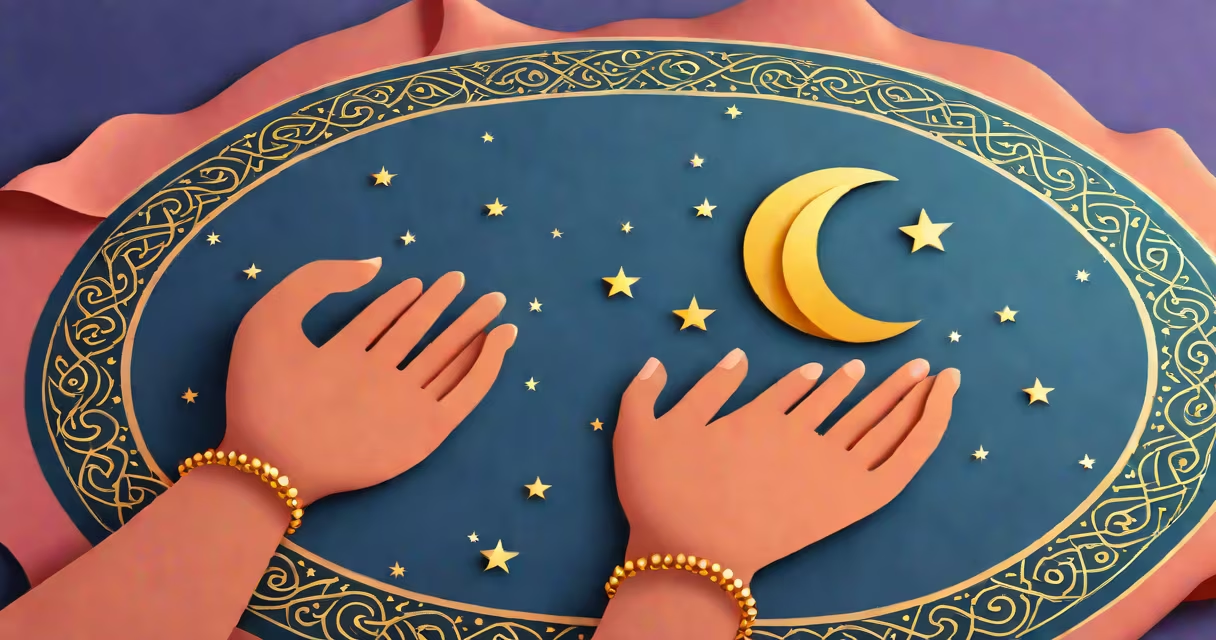
At the beginning of Ramadan, Muslims commonly exchange祝福 such as "Ramadan Mubarak" or "Ramadan Kareem" to mark the holy month's arrival. These phrases convey goodwill, spiritual respect, and shared intention during the fasting period.
Islam follows a lunar calendar, so Ramadan begins on the first day of the ninth month, Shawwal, when the new moon is sighted. The exact date shifts annually relative to the Gregorian calendar. For 2024, Ramadan began on March 10, following confirmation of the moon's visibility across several regions.
Observance starts at dawn with Fajr prayers and ends at sunset with Maghrib. The first night is often marked by special gatherings, communal iftars, and increased worship. Saying appropriate words at the start of the month reflects awareness of both religious significance and cultural practice.
"Ramadan Mubarak" translates to "Blessed Ramadan." It acknowledges the spiritual value of the month and expresses hope for divine favor. "Ramadan Kareem" means "Generous Ramadan," emphasizing generosity in giving, patience in fasting, and kindness in behavior.
These phrases are used widely across Muslim-majority countries and diaspora communities. In Egypt, people say "Ramadan Mubarak" during morning calls to prayer. In Indonesia, families greet neighbors with "Selamat bulan Ramadan" alongside gifts of dates and sweets.
Using the correct phrase matters less than sincerity. A person who says "Ramadan Mubarak" with genuine intent-whether spoken aloud or written in a message-conveys the intended meaning. Mispronunciation doesn't diminish the gesture, though accuracy helps avoid confusion.
The ideal time to say "Ramadan Mubarak" or "Ramadan Kareem" is on the first day of Ramadan, shortly after the moon is confirmed. This typically happens at dusk, when the community gathers for the first Taraweeh prayer.
Some people send messages on the eve of Ramadan, especially via social media. A text sent on the night before Ramadan begins may still be accepted, but it's less traditional. The greeting is most meaningful when aligned with the actual start date.
For example, in 2024, the moon was sighted on the evening of March 9. The first day of Ramadan began at sunrise on March 10. People in Saudi Arabia, Malaysia, and parts of North America confirmed the start on that date. Those who waited until the next day to send greetings missed the official beginning.
Avoid phrases like "Happy Ramadan" or "Wishing you a good Ramadan." While understandable, they lack theological precision. "Happy" implies celebration rather than solemn reflection. Ramadan is a time of fasting, introspection, and devotion-not festivity.
Also avoid using "Ramadan" in casual contexts. Saying "I'm going to Ramadan" or "Let's Ramadan this weekend" misrepresents the month's purpose. Ramadan is not a lifestyle choice or event-it is a sacred observance lasting 29 or 30 days.
Another common error is assuming Ramadan starts on the same date every year. Because the lunar cycle is shorter than the solar year, Ramadan shifts approximately 11 days earlier each year. In 2025, Ramadan will begin around February 28, depending on moon sighting.
Different cultures have unique ways of marking the start. In Turkey, people say "Ramazan Mubarek olsun" and hang lanterns in homes and streets. In Morocco, families prepare a special dish called "chebakia" and share it during the first iftar.
In South Asia, children often receive small gifts or money on the first day. In Pakistan, elders say "Ramadan Kareem" while placing a hand on the shoulder of younger family members-a gesture of blessing and continuity.
Even within a single country, regional differences exist. In the United States, mosques in New York and California may confirm the start of Ramadan on different days due to varying moon sightings. The Islamic Society of North America (ISNA) uses a consensus-based method, while others rely on local observation.
The start of Ramadan is determined by the sighting of the new moon. This process is known as "rukyat al-hilal." Authorities in each country or region announce the date after confirming the moon's visibility.
I attended my first Ramadan gathering in Istanbul in 2022. As the sun set, the call to prayer echoed through the city. Families gathered in courtyards, sharing meals of lentil soup and baklava. An elderly woman approached me and said, "Ramadan Mubarak." Her eyes held warmth, not just politeness. That moment taught me that the words carry weight beyond translation-they reflect presence, care, and shared faith.
Many assume Ramadan begins on the same day globally. But moon sighting varies by location. A mosque in London may begin fasting on March 11, while one in Dubai starts on March 10. Differences arise because the moon's visibility depends on geography and weather.
Another misconception is that saying "Ramadan Mubarak" is optional. It is not. While not required by Islamic law, it is a deeply rooted tradition. The Prophet Muhammad (PBUH) encouraged spreading blessings during sacred times. Using respectful language strengthens community bonds.
Finally, some confuse Ramadan with Eid al-Fitr. The two are distinct. Ramadan is the month of fasting. Eid marks the end of fasting and includes special prayers, feasting, and gift-giving. You say "Ramadan Mubarak" at the start of Ramadan. You say "Eid Mubarak" at the end.
| Phrase | Meaning | Best Time to Use | Cultural Region |
|---|---|---|---|
| Ramadan Mubarak | Blessed Ramadan | First day of Ramadan | Global, especially Middle East and North Africa |
| Ramadan Kareem | Generous Ramadan | First day of Ramadan | South Asia, Southeast Asia, Gulf states |
| Selamat bulan Ramadan | Happy Ramadan (Malay) | First day of Ramadan | Indonesia, Malaysia |
| Ramazan Mubarek olsun | Blessed Ramadan (Turkish) | First day of Ramadan | Turkey |
Understanding what to say at the start of Ramadan goes beyond memorizing phrases. It involves recognizing the spiritual rhythm of the lunar calendar, respecting local customs, and engaging with sincerity. The core message remains consistent: peace, blessings, and unity.