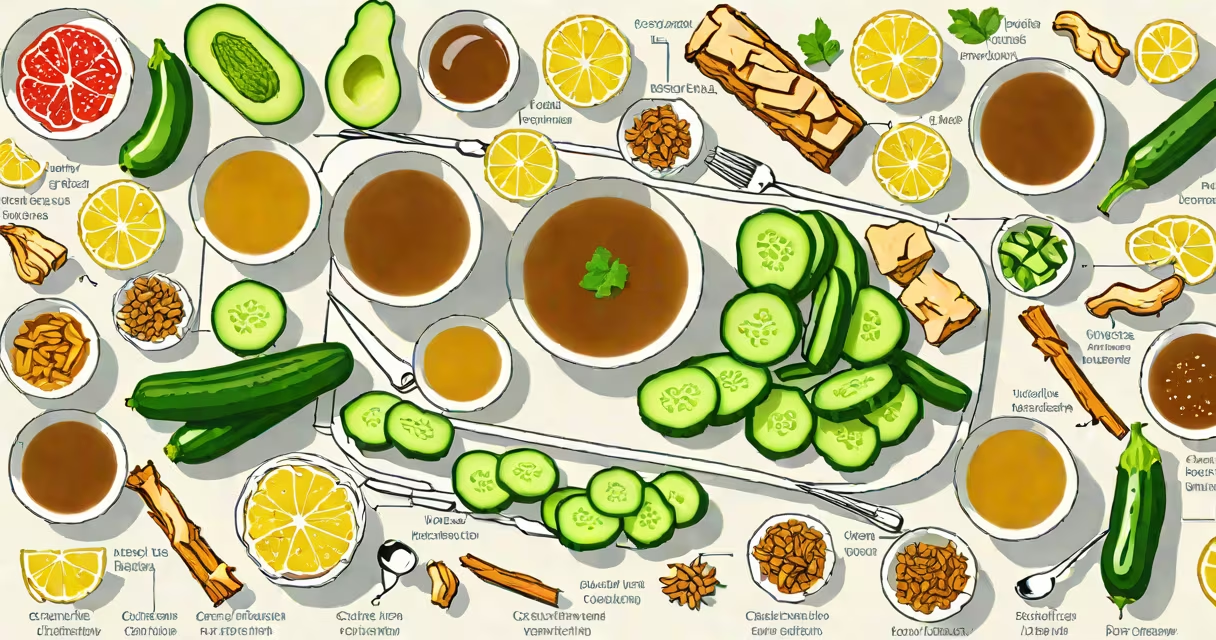
Bloating occurs when excess gas or fluid accumulates in the digestive tract, often causing tightness, swelling, and discomfort. The right foods can reduce inflammation, support digestion, and relieve pressure. Avoiding trigger foods like beans, carbonated drinks, and high-FODMAP items is key. Focus on low-FODMAP, easily digestible options such as cooked vegetables, lean proteins, and fermented foods in moderation.
Bloating results from gas buildup, water retention, or slowed intestinal transit. Not all bloating comes from eating too much-it can stem from food intolerances, imbalanced gut bacteria, or swallowing air during meals. Certain foods ferment in the colon, producing gas. Others contain compounds that draw water into the intestines, increasing volume.
For example, fructans in onions and garlic feed gut bacteria, leading to gas. Lactose in dairy causes bloating in people with lactase deficiency. Even healthy foods like broccoli and apples can trigger bloating if consumed in large amounts. The body's response varies by individual, making personalized choices essential.
A 2020 study in Gut found that 75% of participants with functional bloating improved after following a low-FODMAP diet for four weeks. This diet restricts fermentable carbohydrates known to worsen symptoms. Not all bloating is due to poor diet, but food selection influences severity and duration.
Choose foods that are low in FODMAPs, rich in fiber that supports gut health, and gentle on digestion. These include:
Ginger stands out-its compounds, like gingerol, relax gastrointestinal muscles and speed up gastric emptying. A 2012 clinical trial showed that 1.2 grams of ginger reduced nausea and bloating in 60% of participants within 30 minutes. Fresh ginger tea is a simple, effective remedy.
Bone broth, made by simmering animal bones for 12-24 hours, contains collagen and amino acids like glycine and proline. These support gut lining integrity and may reduce intestinal permeability. Research from Frontiers in Nutrition (2021) suggests glycine improves gut barrier function, potentially reducing bloating linked to leaky gut syndrome.
Many assume "healthy" equals "bloating-safe." But cruciferous vegetables like kale and Brussels sprouts are high in raffinose, a sugar that ferments rapidly. Eating them raw increases gas production. Cooking reduces this effect-steaming or roasting breaks down complex carbs.
Another myth: drinking water during meals causes bloating. In reality, dehydration slows digestion, leading to constipation and bloating. Staying hydrated aids motility. A 2018 study in European Journal of Clinical Nutrition found that participants who drank 1.5 liters of water daily reported 30% less bloating compared to those who drank less.
Some people avoid all fiber, thinking it worsens bloating. But soluble fiber, found in oats and bananas, feeds beneficial gut bacteria and forms gel-like substances that regulate bowel movements. Insoluble fiber, like wheat bran, adds bulk but can cause gas if introduced too quickly. Gradual increase prevents sudden bloating.
When bloating strikes and hunger follows, choose low-volume, nutrient-dense foods. Avoid high-fiber or fatty meals that slow digestion. Opt for small portions of easily processed items.
| Foods to Try | Why They Work | Portion Size |
|---|---|---|
| Cucumber slices | High water content, low FODMAP, cooling effect on gut | ½ cup |
| Boiled potato (without skin) | Low in fermentable carbs, provides potassium to reduce water retention | ¼ medium potato |
| Chickpea flour pancakes (gluten-free) | Protein-rich, low in FODMAPs when portion-controlled | 1 small pancake |
| Peppermint tea | Relaxes smooth muscle in the GI tract, reduces spasms | 1 cup, steeped 5 min |
I tested this combo after a night of eating spicy takeout. By morning, my belly was distended. I ate half a boiled potato, a few cucumber slices, and sipped peppermint tea. Within 45 minutes, pressure eased. No laxatives, no supplements-just simple, real food.
For ongoing bloating, consider tracking intake using a food diary. Apps like MyFitnessPal or Fooducate log ingredients and flag common triggers. If bloating persists beyond two weeks despite dietary changes, consult a gastroenterologist. Chronic bloating may indicate irritable bowel syndrome (IBS), celiac disease, or small intestinal bacterial overgrowth (SIBO).
If you're unsure about which foods suit your body, start with a 3-day elimination phase: remove common triggers like dairy, legumes, and artificial sweeteners. Reintroduce one at a time while monitoring symptoms. This guide covers safe reintroduction steps.
Understanding what to eat when your tummy is bloated begins with identifying personal triggers. There's no universal fix-but science-backed choices can bring relief. Focus on balance, listen to your body, and adjust based on real outcomes, not trends.