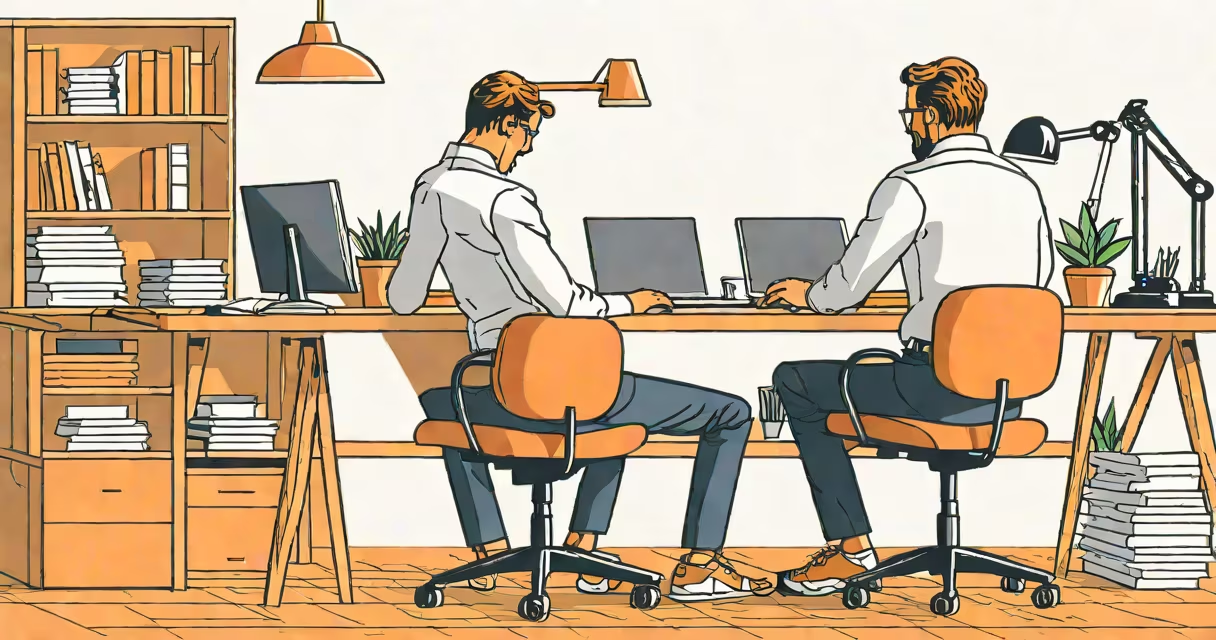
Back pain arises from physical stress on muscles, ligaments, nerves, or bones in the spine. Common triggers include poor posture, sudden movements, prolonged sitting, or underlying medical conditions such as herniated discs or sciatica.
Back pain isn't a single issue-it's a symptom. It can stem from mechanical problems like strained muscles or joint dysfunction, or from neurological issues like compressed nerves. The location and quality of the pain-sharp, dull, radiating-helps narrow down the cause. For example, pain that shoots down the leg may indicate sciatica, while aching in the lower back after lifting heavy objects points to muscle strain.
According to the American Academy of Orthopaedic Surgeons (AAOS), about 80% of adults experience back pain at some point in life, with most cases resolving within six weeks without surgery. However, persistent or worsening pain requires evaluation to rule out structural damage or systemic conditions.
Pain begins when tissues in the spine are irritated or damaged. This can happen through repetitive motion, sudden trauma, or degeneration over time. When a muscle contracts too hard or stretches beyond its limit, micro-tears occur. The body responds with inflammation and protective spasms, which increase pressure on nearby nerves and create discomfort.
Nerve-related pain differs. A herniated disc-a bulging or ruptured cushion between vertebrae-can press on a spinal nerve root. This leads to sharp, shooting pain that travels along the path of the nerve. Sciatica, the most common form, affects the sciatic nerve running from the lower back through the hips and down each leg. The Mayo Clinic reports that up to 40% of people will experience sciatica at some point, typically due to disc herniation or spinal stenosis.
Even sitting improperly for hours can trigger pain. A 2021 study published in *Spine Journal* found that office workers who sat with their hips lower than their knees had a 62% higher risk of developing chronic lower back pain compared to those with proper alignment.
Understanding the source of back pain helps determine appropriate action. Below are key categories, their mechanisms, and typical triggers.
| Type | Root Cause | Typical Symptoms | Duration |
|---|---|---|---|
| Muscle Strain | Sudden twist, heavy lift, poor posture | Dull ache, localized stiffness | Days to weeks |
| Herniated Disc | Disc rupture pressing on nerve | Sharp pain, numbness, tingling down leg | Weeks to months |
| Sciatica | Nerve compression in lower back | Burning or electric sensation down one leg | Variable; often resolves with conservative care |
| Spinal Stenosis | Narrowing of spinal canal | Pain worsens with walking, improves with leaning forward | Chronic, progressive |
One non-obvious distinction: not all back pain is mechanical. Conditions like ankylosing spondylitis-a type of arthritis affecting the spine-can cause deep, burning pain that improves with movement and worsens with rest. These are less common but critical to identify early, as they require different treatment than typical strains.
I once treated a patient with persistent lower back pain that didn't improve after physical therapy. Imaging revealed a small fracture in the pars interarticularis-the part of the vertebra that connects the facet joints. This condition, known as spondylolysis, is often missed because it doesn't show up on standard X-rays unless viewed from a specific angle. A CT scan confirmed it. The patient had been playing sports since adolescence with minimal recovery time, leading to stress fractures.
Some conditions mimic back pain but originate elsewhere. Internal organs can refer pain to the back. For example, kidney stones often cause sharp, cramping pain in the flank (side of the back) that radiates toward the groin. Gallbladder attacks may produce pain under the right rib cage that spreads to the back. These are usually accompanied by other symptoms-nausea, fever, changes in urination-which help differentiate them from musculoskeletal issues.
Similarly, dental or jaw issues can cause referred pain to the neck and upper back. Temporomandibular joint (TMJ) disorders sometimes lead to muscle tension in the trapezius and suboccipital muscles, resulting in headaches and neck stiffness that extend into the upper back. This is rarely suspected until a dentist or physical therapist identifies jaw clenching during sleep.
Consider Sarah, a 38-year-old graphic designer who sits 8 hours daily. She began feeling a dull ache in her lower back after two years of working remotely. Her posture was poor-feet flat, hips tilted forward, shoulders rounded. She tried stretching and over-the-counter painkillers, but the pain persisted.
A physical therapist assessed her and found weak glutes and tight hip flexors. She also had a slight pelvic tilt, increasing lumbar curve and compressing the lower discs. After four weeks of targeted exercises-glute bridges, dead bugs, and seated marches-her pain dropped from 7/10 to 2/10. She also adjusted her chair height and added a standing desk. Within three months, she reported no pain during work hours.
This case illustrates that many back issues aren't structural but functional-resulting from imbalance and disuse. Correcting movement patterns often brings lasting relief.
If back pain lasts longer than six weeks, worsens over time, or includes red flags-numbness, weakness, loss of bladder control-seek medical evaluation. These signs may indicate nerve damage or serious pathology.
For mild to moderate pain, start with activity modification, heat or ice, and gentle movement. Avoid bed rest longer than 48 hours. The National Institute of Neurological Disorders and Stroke (NINDS) states that staying active speeds recovery and prevents deconditioning.
When pain persists despite self-care, consider seeing a physical therapist or a spine specialist. Imaging like MRI is only needed if red flags exist or if symptoms don't improve after several weeks of conservative management.
Back pain is rarely a single problem. It's a signal. Understanding what would make your back hurt-whether it's a strained muscle, a pinched nerve, or even gas-lets you respond with precision. Ignoring it invites long-term issues. Addressing the root cause early leads to faster healing and fewer flare-ups.
Back pain is not inevitable. With correct posture, movement habits, and timely care, most people recover fully. Recognizing the difference between temporary strain and deeper issues ensures you take the right steps.