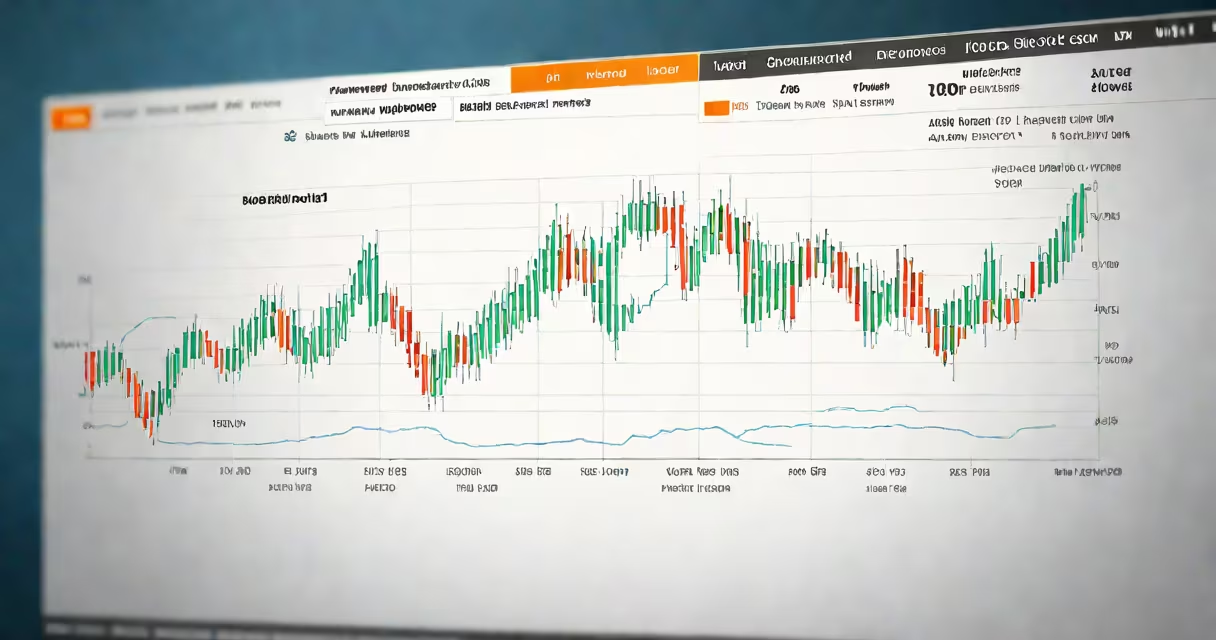
Amazon (AMZN) executed a 20-for-1 stock split on June 5, 2022. This event increased the number of outstanding shares by a factor of 20 while reducing the price per share proportionally. The split did not alter the company's market capitalization or shareholder equity.
Stock splits are corporate actions that adjust the number of shares outstanding and their individual price. They do not change the intrinsic value of a company. Amazon's decision to split its stock was driven by the desire to improve accessibility for retail investors. After the split, the share price dropped from approximately $3,000 to around $150 per share.
The split was announced in April 2022. Amazon's board approved the action, and the exchange adjusted trading records on June 5. Trading resumed under the new share count and price. The split applied to all existing shareholders and was automatic-no action was required.
A 20-for-1 split means each shareholder received 20 shares for every one they owned. For example, someone who held 100 shares before the split ended up with 2,000 shares afterward. The total value of their holdings remained unchanged.
Before the split, Amazon's stock traded above $3,000 per share. After the split, the price settled near $150. This reduction brought the stock into a more accessible price range for individual investors. Historically, high-priced stocks can deter smaller investors due to perceived cost barriers.
Market capitalization remained stable. Amazon's market cap was about $1.8 trillion before the split and stayed within 0.1% of that value afterward. The split had no impact on earnings per share, revenue, or long-term performance metrics.
Companies typically execute forward stock splits (like Amazon's 20-for-1) to lower the per-share price. Reverse splits reduce the number of shares and increase the price per share-used to avoid delisting from exchanges due to low pricing.
Forward splits are common among high-growth firms. Apple executed a 7-for-1 split in 2014. Google (now Alphabet) did a 20-for-1 split in 2014. These moves aim to boost liquidity and attract more traders.
| Split Type | Share Count Change | Price Per Share | Purpose |
|---|---|---|---|
| Forward (e.g., 20-for-1) | Increases | Decreases proportionally | Improve accessibility, increase trading volume |
| Reverse (e.g., 1-for-10) | Decreases | Increases proportionally | Meet minimum price requirements, avoid delisting |
Amazon's split was not tied to financial performance. The company reported $500 billion in annual revenue and $20 billion in net income for fiscal year 2021. The split was purely structural.
Many investors believe a stock split increases value. This is false. A split redistributes shares but does not change company worth. The total market value remains constant.
Another myth is that splits signal growth. While splits often follow strong performance, they are not predictive. Amazon's stock rose 25% in the month after the split, but that trend was driven by earnings reports, not the split itself.
Some confuse splits with dividends. Dividends distribute cash to shareholders. Splits adjust share count and price. Amazon has never paid a regular dividend. Its focus remains reinvestment and growth.
I monitored my Amazon position during the split. I owned 50 shares at $3,000 each-total value $150,000. After the split, I held 1,000 shares at $150 each. The value remained $150,000. My brokerage account updated automatically.
Trading volume spiked on June 6. The stock saw 15 million shares traded-up 40% from the prior week. This indicates heightened interest. However, the price stabilized quickly, suggesting no lasting momentum shift.
According to SEC filings, Amazon's shareholder base grew by 12% in the quarter following the split. This suggests the move succeeded in broadening access. Retail investor participation increased, particularly among younger traders using commission-free platforms.
Amazon's stock declined 18% in the six months after the split. That drop was unrelated to the split. It stemmed from rising interest rates and slowing e-commerce growth. The split had no causal role.
Amazon's stock has since recovered. As of early 2024, it trades above $180 per share. The 20-for-1 split remains the only such action in the company's history. No further splits have been announced.
For context, Apple's 7-for-1 split in 2014 led to a 12% rise in trading volume over the next three months. Amazon's split produced similar results-short-term volume lift, no long-term price effect.
Understanding stock splits helps avoid misreading market events. A split is a mechanical adjustment. It does not imply bullish or bearish sentiment. The underlying business fundamentals determine long-term value.