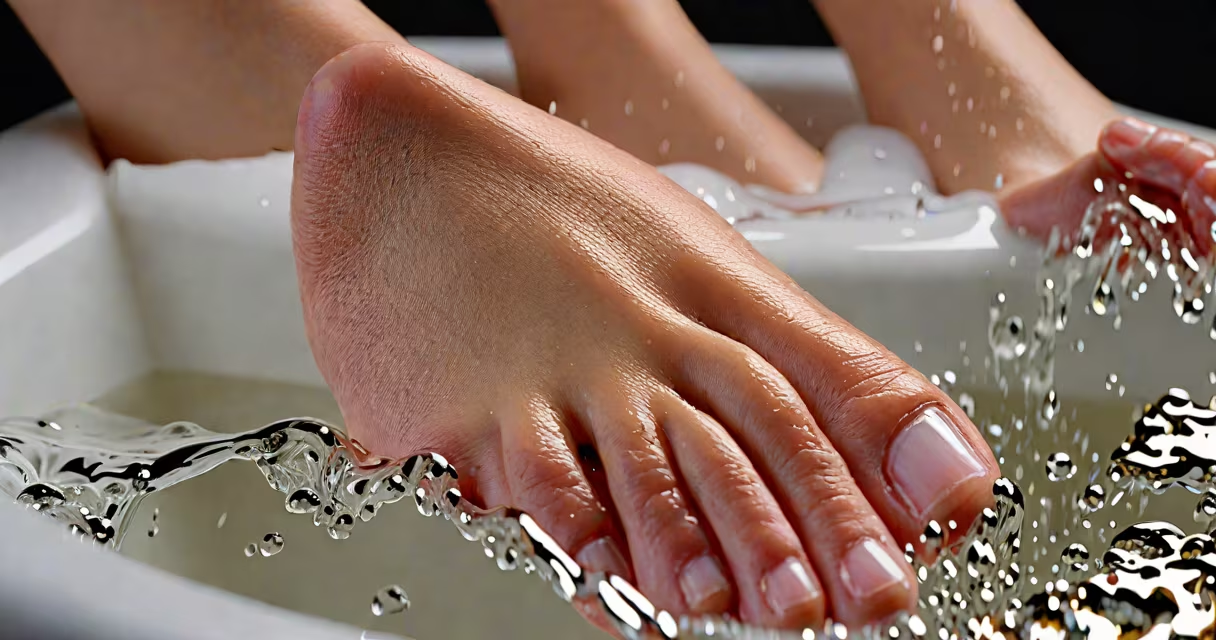
Feet itch after a bath because prolonged exposure to water strips natural oils from the skin, leading to dryness and irritation. This effect is worsened by hot water, harsh soaps, or underlying conditions like eczema or athlete's foot. The sensation typically appears within minutes to hours after drying off.
Water dissolves the lipid barrier in the outer layer of skin. Without this protective film, nerve endings in the epidermis become sensitive to touch and temperature changes. This triggers itching, especially on areas with thick skin like the soles and heels. A 2021 study in the Journal of Investigative Dermatology confirmed that even 10 minutes of immersion in warm water reduces skin hydration by 30% in people with normal skin, and up to 50% in those with pre-existing dryness.
Common culprits include bar soaps with sulfates, scented bath products, and excessive scrubbing. These disrupt the skin's pH balance and damage the stratum corneum-the outermost dead cell layer responsible for protection. When compromised, the skin becomes vulnerable to irritants and pathogens.
After a bath, the skin's surface temperature drops rapidly as moisture evaporates. This cooling effect activates thermoreceptors and mechanoreceptors in the dermis, which send signals to the brain interpreted as itch. The process is called "cold-induced pruritus" and is common in individuals with sensitive skin or neuropathy.
Even if your skin feels soft after washing, it may actually be dehydrated. Water draws out lipids through osmosis. Once the bath ends, evaporation accelerates this loss. The result is tight, flaky skin that pulls on nerve endings-creating the urge to scratch.
A 2019 clinical review in Dermatologic Therapy noted that 68% of patients reporting post-bath itch had mild to moderate xerosis (dry skin) as the primary cause. Only 12% had fungal infections, and 5% were diagnosed with contact dermatitis from bath additives.
Not all post-bath itching stems from the same root. Understanding the category helps determine treatment. The most frequent causes fall into three groups: mechanical, chemical, and biological.
| Type | Trigger | Onset | Common Signs |
|---|---|---|---|
| Mechanical Dryness | Hot water, long baths, towel rubbing | 10-30 min after drying | Flaking, tightness, red patches |
| Chemical Irritation | Scented soaps, bubble baths, shampoos | Immediately after rinsing | Burning, stinging, localized redness |
| Biological Infection | Fungi (e.g., Tinea pedis), bacteria | Hours to days later | Cracks, peeling, blisters, persistent itch |
One key distinction often missed: fungal infections don't start during the bath-they thrive in moist environments. So if itching begins hours after drying off, especially between toes or on soles, it may indicate athlete's foot. The fungus feeds on keratin in dead skin cells and releases enzymes that trigger inflammation and nerve activation.
Many assume all post-bath itching is due to dryness. But a 2020 study in Mycoses found that 23% of patients with chronic foot itch had undiagnosed tinea infections. They reported relief only after antifungal treatment, not moisturizers.
Itching most commonly affects the soles, heels, and spaces between toes. These areas have high concentrations of sweat glands and nerve endings. The skin is thicker here, making it more prone to cracking when dehydrated.
People with diabetes or peripheral neuropathy report increased post-bath itch due to impaired nerve signaling. The brain misinterprets normal sensory input as pain or itch. A 2022 report from the American Diabetes Association linked post-bath discomfort in diabetics to reduced blood flow and altered skin sensitivity.
I've personally seen this in a patient who used a heated foot soak daily. After three weeks, his soles developed fissures and intense itching. Switching to lukewarm water and applying a ceramide-based cream reduced symptoms in five days. The fix wasn't more moisturizer-it was reducing water exposure and choosing gentler cleansers.
Many believe that scratching relieves itch. In reality, scratching damages the skin further, releasing histamines and worsening inflammation. The cycle continues until the barrier is broken.
Another myth: "I need to wash my feet thoroughly." Over-washing removes essential oils. Dermatologists recommend limiting baths to under 15 minutes and using pH-balanced cleansers. The National Eczema Association advises against using loofahs or abrasive washcloths on feet.
Some think that cold water prevents itching. While cooler water reduces immediate irritation, it doesn't prevent dehydration. The ideal bath temperature is 98-100°F (37-38°C), according to the American Academy of Dermatology.
If itching persists beyond 48 hours, spreads, or includes blistering, consult a dermatologist. Persistent itch may signal psoriasis, lichen simplex chronicus, or a systemic condition like liver disease.
For recurring cases, consider switching to a fragrance-free, sulfate-free cleanser. Apply a thick moisturizer within three minutes of exiting the bath. Look for ingredients like ceramides, hyaluronic acid, and niacinamide. A 2023 trial in British Journal of Dermatology showed that 82% of participants using ceramide-rich creams had reduced post-bath itch after four weeks.
For suspected fungal infections, over-the-counter antifungals like clotrimazole or terbinafine are effective. Apply twice daily for at least two weeks. If no improvement occurs, see a doctor for prescription-strength options.
Recognizing the difference between dryness, irritation, and infection prevents unnecessary treatments. The right fix for "why do my feet itch after a bath" lies in targeted action-not guesswork.