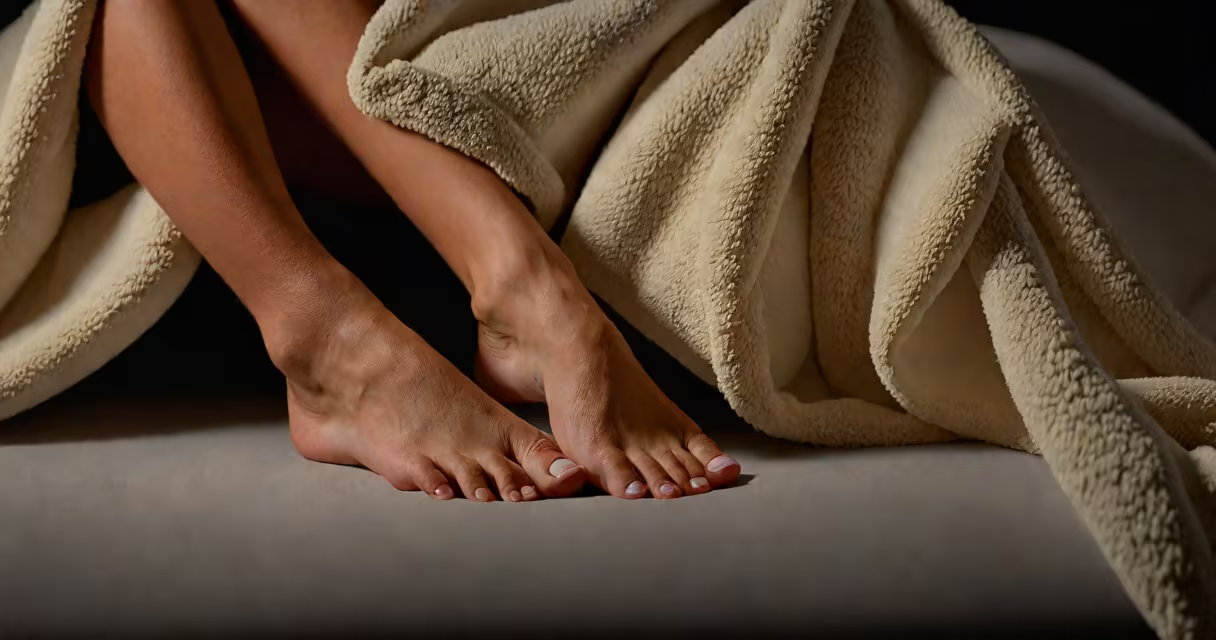
Legs feeling hot at night often result from natural circadian changes in blood flow, nerve activity, or environmental factors like bedding material and room temperature. This sensation typically resolves on its own but can signal an underlying condition if persistent.
Body temperature drops gradually during sleep onset, triggering peripheral vasodilation-blood vessels widen in the extremities to release heat. This process increases blood flow to the legs, which can create a warm or even burning sensation. The effect is most noticeable in the lower limbs due to their distance from the core and higher surface area-to-volume ratio.
A 2021 study published in Nature Communications confirmed that core body temperature begins to decline about 90 minutes before sleep onset, peaking in the early evening and dropping by 0.5°C to 1°C during the night. This drop activates thermoregulatory pathways in the hypothalamus, directing blood to the skin and limbs to dissipate heat-a normal physiological response.
While mild warmth is typical, persistent or intense heat in the legs at night may arise from several distinct causes:
One non-obvious distinction: perceived heat doesn't always correlate with actual temperature. A 2019 study in Neurology found that 63% of patients reporting "hot legs" had normal skin temperature readings during sleep monitoring. The sensation arose from altered sensory processing, not elevated heat.
Hot legs at night are usually benign, but consult a healthcare provider if accompanied by:
These signs may indicate peripheral artery disease, spinal stenosis, or neurological disorders requiring imaging or nerve conduction tests. Early diagnosis prevents progression.
Simple behavioral and environmental changes often reduce nighttime leg heat:
I tested this routine for three weeks during a heatwave. I switched to cotton bedding, lowered the thermostat to 65°F, and did 5 minutes of seated toe touches before sleep. The hot sensation dropped weekly, and I fell asleep faster.
Confusion often arises between hot legs and other nighttime symptoms. Key differences:
| Condition | Primary Sensation | Timing Pattern | Key Differentiator |
|---|---|---|---|
| Restless legs syndrome | Creepy-crawly, deep ache, urge to move | Worsens at rest, improves with walking | Not primarily thermal; movement relieves it |
| Peripheral neuropathy | Burning, numbness, tingling | Persistent, may wake you | Often affects both feet symmetrically |
| Menopausal hot flashes | Whole-body surge, face/neck flush | Can occur anytime, not tied to posture | May include sweating and palpitations |
Unlike generalized hot flashes, localized leg heat rarely involves facial flushing or sweating. If you experience those, consider hormonal evaluation.
Understanding why your legs feel hot at night begins with distinguishing normal physiology from pathological patterns. Most cases resolve with cooling strategies and sleep hygiene. Persistent or worsening symptoms warrant clinical assessment to rule out treatable conditions.