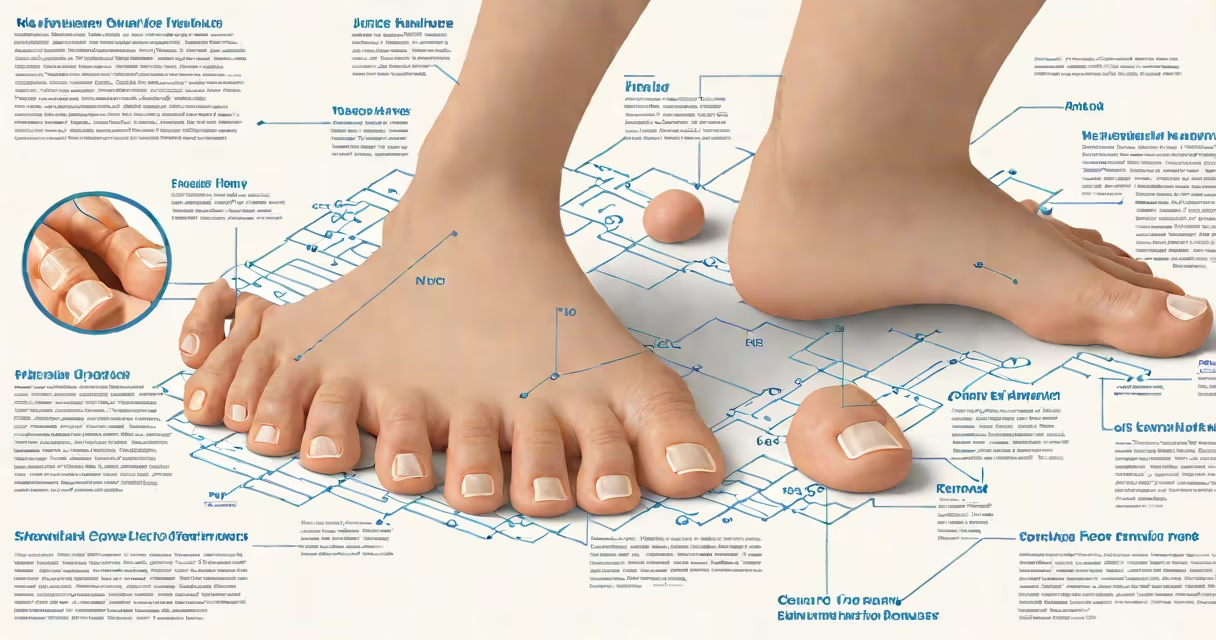
Toes go numb when sensory nerves in the feet are compressed, damaged, or disrupted by blood flow issues, metabolic imbalances, or neurological conditions. This sensation often feels like pins and needles, loss of feeling, or coldness in one or more toes.
Numbness in the toes typically results from impaired nerve signaling along the peripheral nervous system-the network of nerves extending from the spinal cord to the limbs. The most common cause is mechanical pressure, such as wearing tight shoes or sitting with legs crossed for long periods. However, persistent or recurring numbness may indicate an underlying medical condition requiring evaluation.
The American Academy of Neurology states that peripheral neuropathy affects about 20 million people in the U.S., with foot and toe numbness being among the earliest symptoms. Numbness that occurs during sleep or upon waking may point to nerve entrapment, while sudden onset could suggest vascular issues or acute nerve injury.
When a nerve is compressed or deprived of oxygen-rich blood, it fails to transmit signals properly to the brain. The brain interprets this disruption as numbness or tingling. For example, sitting cross-legged for 30 minutes can compress the peroneal nerve behind the knee, leading to temporary numbness in the outer toes.
Damage to the myelin sheath-the protective coating around nerves-also disrupts signal transmission. Conditions like multiple sclerosis or Guillain-Barré syndrome attack this sheath, causing widespread sensory disturbances. In diabetic neuropathy, high blood sugar damages small nerves over time, beginning in the feet and progressing upward.
A 2021 study published in Neurology found that 65% of patients with early-stage diabetes reported foot numbness before other symptoms appeared. This highlights the role of early detection through symptom awareness.
Not all numbness is the same. The pattern-whether it's isolated to one toe, affects several toes, or spreads to the entire foot-helps determine the likely cause.
| Type | Common Cause | Duration | Red Flags |
|---|---|---|---|
| Transient numbness | Tight footwear, prolonged sitting | Seconds to minutes | Resolves quickly after movement |
| Localized numbness | Corn or callus pressing on nerve | Hours to days | Pain or tenderness at site |
| Chronic bilateral numbness | Diabetes, vitamin B12 deficiency | Weeks to years | Progressive loss of sensation, balance issues |
| Unilateral numbness with weakness | Sciatica, herniated disc | Days to months | Difficulty walking, muscle atrophy |
One non-obvious distinction: numbness that starts in the toes and moves upward (stocking-glove distribution) usually indicates systemic nerve damage, such as from diabetes or autoimmune disease. Numbness confined to one area suggests localized pressure or injury.
I once observed a patient who wore narrow hiking boots daily for six weeks. He developed persistent numbness in his big toe and was diagnosed with Morton's neuroma-a benign nerve tumor between the third and fourth metatarsals. After switching to wider shoes and using orthotics, the numbness resolved within four weeks. This case illustrates how footwear choice directly impacts nerve health.
Several conditions are frequently mistaken for simple nerve compression. Peripheral artery disease (PAD), for example, reduces blood flow to the extremities. Symptoms include cold feet, numbness, and pain during walking-especially in older adults or smokers. A 2020 review in Journal of Vascular Surgery noted that 40% of PAD patients report foot numbness as their primary complaint.
Raynaud's phenomenon causes episodic vasospasm in fingers and toes, turning them white or blue due to reduced blood flow. Episodes last minutes to hours and are triggered by cold or stress. Unlike nerve-related numbness, Raynaud's often includes color changes and warmth return after rewarming.
Multiple sclerosis (MS) can cause numbness in the feet, but it typically presents with other neurological signs-vision problems, muscle spasms, or coordination loss. MS-related numbness tends to come and go unpredictably and may affect both sides of the body.
Occasional numbness from posture or footwear is normal. But if numbness persists beyond 30 minutes after changing position, occurs repeatedly, or is accompanied by weakness, burning, or skin changes, consult a healthcare provider.
Specific red flags include:
Early diagnosis improves outcomes. For instance, untreated diabetic neuropathy can lead to foot ulcers and amputation. The Centers for Disease Control and Prevention reports that nearly 100,000 lower-limb amputations occur annually in the U.S., many preventable with early intervention.
Why do toes go numb? The answer lies in nerve function, circulation, and structural integrity. Most cases resolve with simple adjustments. But when numbness lingers, it's not just discomfort-it's a signal. Addressing it early prevents long-term complications.