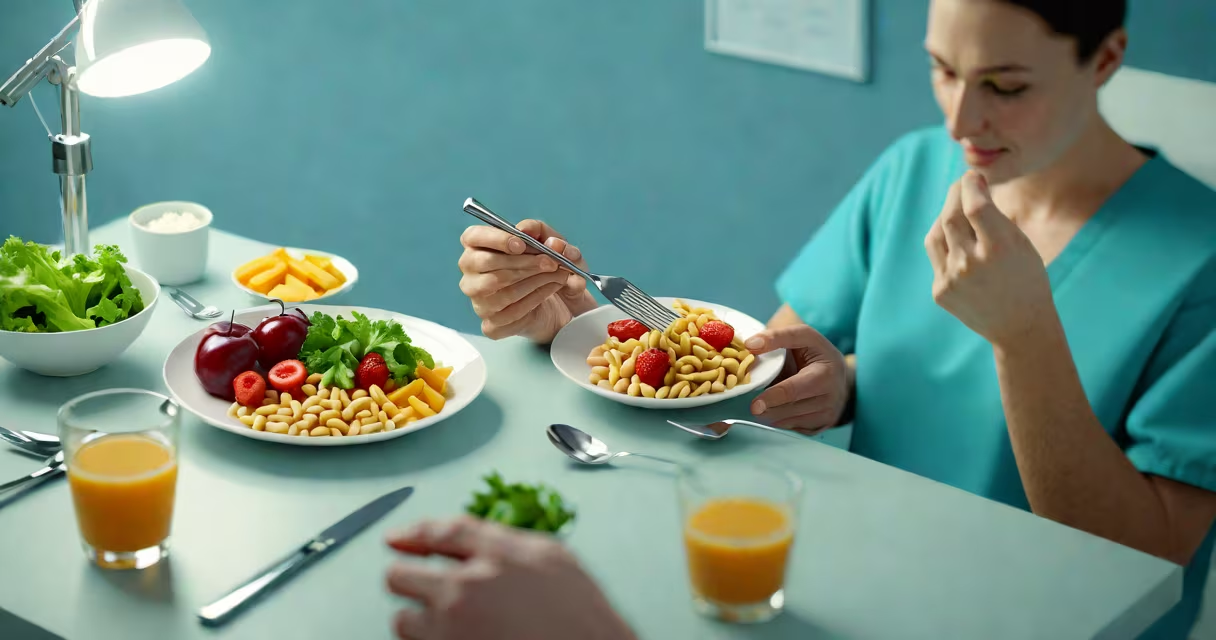
The after bowel obstruction surgery diet is a structured progression of food intake designed to support intestinal healing, prevent complications, and restore normal digestion after surgical intervention for a blocked intestine. This plan begins with clear liquids and advances gradually based on tolerance, typically over 3-7 days, depending on individual recovery.
Surgery for bowel obstruction often involves removing or bypassing a segment of the small or large intestine. The digestive tract requires time to heal and regain motility. A staged dietary approach prevents strain on the recovering gut, reduces risk of nausea, bloating, or ileus (paralysis of the intestines), and supports nutrient absorption.
According to the American Society of Parenteral and Enteral Nutrition (ASPEN), early oral feeding after abdominal surgery improves outcomes when tolerated. However, patients must follow a phased protocol under medical supervision. The diet progresses from clear liquids to full liquids, then soft foods, and finally regular meals-each stage assessed for symptoms like pain, distension, or vomiting.
Immediately after surgery, patients receive intravenous fluids. Oral intake begins once bowel sounds return and the patient can tolerate sips. The initial phase is a clear liquid diet-water, clear broths, gelatin, weak tea, and sugar-free electrolyte drinks. These provide hydration and minimal residue while allowing the bowel to rest.
Once clear liquids are tolerated without nausea or discomfort, the diet advances to full liquids-milk, pudding, pureed soups, and blended fruits. This phase introduces calories and protein without requiring chewing or complex digestion. Patients may begin taking small amounts every 2-3 hours.
After 24-48 hours of stable tolerance, soft foods such as mashed potatoes, oatmeal, scrambled eggs, and well-cooked vegetables are introduced. These are low-fiber, easy-to-digest options that minimize bulk. Solid foods are added slowly, with attention to portion size and texture.
The following table outlines typical stages, duration, and food examples:
| Phase | Duration | Food Examples | Key Goals |
|---|---|---|---|
| Clear Liquids | 6-24 hours | Water, broth, apple juice, gelatin, herbal tea | Hydration, bowel rest, assess tolerance |
| Full Liquids | 12-24 hours | Milk, yogurt, pudding, blended fruit, soup | Introduce calories and protein |
| Soft Foods | 1-3 days | Mashed potatoes, oatmeal, scrambled eggs, applesauce | Gradual reintroduction of solids |
| Low-Residue Diet | 3-7 days | White rice, boiled carrots, lean chicken, bananas | Minimize stool volume, reduce irritation |
Patients should avoid high-fiber foods, raw vegetables, nuts, seeds, and tough meats until cleared by their surgeon. High-fiber intake too soon increases risk of obstruction recurrence.
Many assume that "eating something" means they can resume normal eating. This is incorrect. Resuming solid food too quickly leads to bloating, cramping, or even ileus. One study published in Annals of Surgery found that early advancement beyond clear liquids without clinical assessment increased postoperative complications by 34%.
Another misconception is that all liquids are equal. Clear liquids must be free of pulp, fat, or colorants. Tomato juice, coffee, and carbonated beverages are excluded because they irritate the gut or increase gas production.
A key distinction: the after bowel obstruction surgery diet differs from a standard post-op diet after other abdominal procedures. Because the bowel was obstructed, the healing process is more sensitive. The timeline may extend longer than for routine laparoscopic surgery.
A 58-year-old man underwent laparotomy for a sigmoid volvulus causing complete bowel obstruction. He had no comorbidities. On post-op day 1, he consumed 100 mL of water every 2 hours. By evening, he tolerated clear broth and gelatin without nausea.
On day 2, he began full liquids: 1 cup of low-fat milk and ½ cup of banana pudding. He reported mild bloating but no vomiting. By day 3, he advanced to soft foods: mashed sweet potato and scrambled egg. He passed flatus and had a bowel movement on day 4.
By day 6, he was on a low-residue diet with grilled chicken, white rice, and steamed carrots. His surgeon approved a gradual return to normal diet on day 8, excluding raw vegetables and legumes for another week.
Signs of intolerance include persistent nausea, severe abdominal pain, inability to pass gas, or absence of bowel movements after 48 hours. These indicate potential ileus or re-obstruction and require immediate evaluation.
Dehydration signs-dry mouth, dizziness, reduced urine output-also warrant prompt care. Patients should report any fever above 100.4°F (38°C), which may signal infection.
One patient I observed developed rebound constipation after advancing too quickly to whole wheat toast. His surgeon delayed solid food reintroduction by 3 days and prescribed a stool softener. This illustrates that progress must be symptom-driven, not time-based.
Some patients develop chronic issues like short bowel syndrome or adhesions. Long-term management may involve ongoing low-residue diets, vitamin supplementation (especially B12 and D), and frequent monitoring.
For those with recurrent obstructions, a dietitian may recommend limiting insoluble fiber and avoiding high-FODMAP foods. The Academy of Nutrition and Dietetics notes that personalized nutrition plans improve long-term outcomes in post-obstruction patients.
After bowel obstruction surgery diet is not a one-size-fits-all plan. Individual factors-age, cause of obstruction, extent of resection, and comorbidities-determine timing and food choices. Always follow your care team's guidance.
Progression through phases should be documented. Track intake, symptoms, and bowel habits. This data helps clinicians adjust the plan safely.