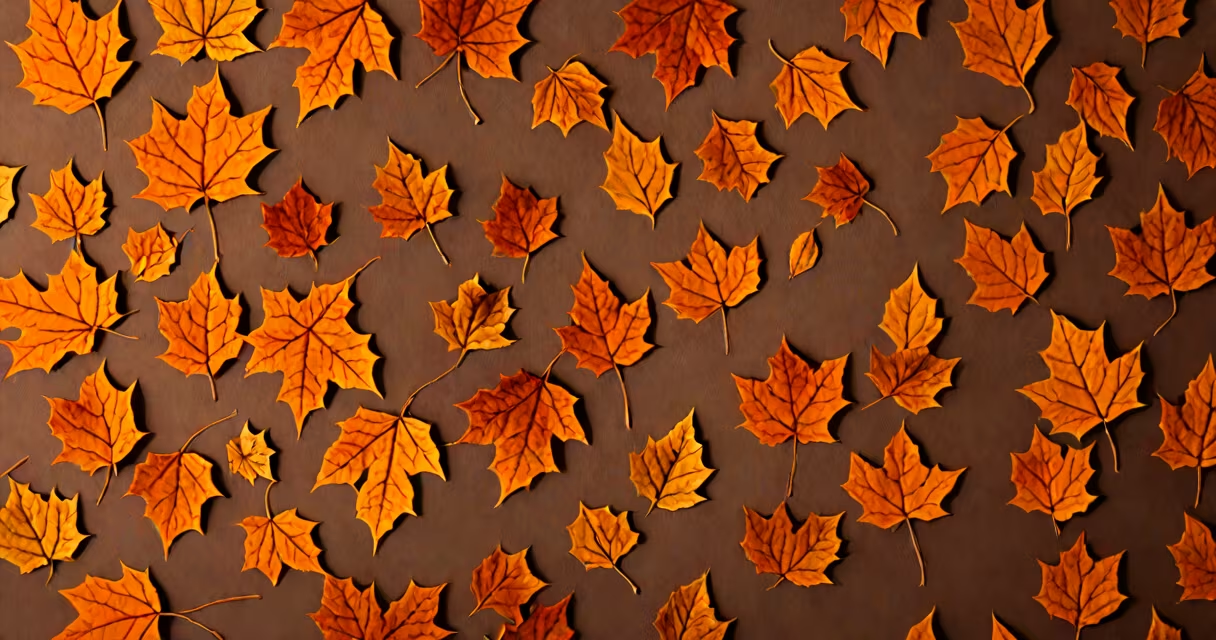
aesthetic cozy fall wallpaper combines muted earth tones, natural textures, and seasonal elements like leaves, pumpkins, and soft lighting to create a visually warm and emotionally comforting atmosphere. It's designed to reflect the sensory experience of autumn-not just the season, but the feeling of being wrapped in a blanket on a cool evening.
This type of wallpaper uses intentional color palettes-terracotta, mustard yellow, deep burgundy, and moss green-to mimic the visual language of late September through early November. Unlike generic holiday-themed designs, aesthetic cozy fall wallpaper avoids overt symbols like Santa or candy corn. Instead, it leans into subtlety: a single maple leaf floating in a shallow pool of light, or a worn wool blanket draped over a wooden chair.
It's commonly used in homes, studios, and digital spaces such as phone backgrounds, desktops, and social media profiles. The goal isn't decoration-it's mood creation. A well-chosen piece can make a room feel quieter, slower, more grounded.
Color theory supports the emotional impact of these palettes. According to the American Psychological Association, warm colors like red-orange and yellow activate the brain's limbic system, which governs mood and memory. Earth tones specifically reduce stress markers in controlled studies-participants exposed to warm, nature-based visuals reported lower cortisol levels than those viewing cool or neutral tones.
Texture plays a key role too. High-resolution images of knitted fabrics, weathered wood grain, or dry grass underfoot add tactile depth even in digital form. This mimics the concept of "tactile realism," where viewers mentally simulate touch based on visual cues. A 2022 study from the University of California, Berkeley, found that participants perceived images with visible texture as 34% more immersive than flat-color designs.
These wallpapers often feature asymmetrical compositions. A single falling leaf centered off-kilter, or a blurred fireplace glowing behind a faint silhouette of a person reading, creates narrative tension without telling a story. That ambiguity invites personal interpretation-part of what makes them emotionally resonant.
There are three primary formats for aesthetic cozy fall wallpaper:
| Type | Best For | Key Features | Example Use Case |
|---|---|---|---|
| Photorealistic | Living rooms, bedrooms | High-res photos of forests, fireplaces, or autumn streets; includes depth of field and lighting gradients | A 4K image of a porch swing under a canopy of red maples, captured at golden hour |
| Hand-drawn/illustrated | Digital devices, creative workspaces | Watercolor washes, ink lines, limited color schemes; often features symbolic elements like acorns or lanterns | A minimalist sketch of a steaming mug beside a window with frost patterns |
| Pattern-based | Wall murals, textiles, apps | Repeating motifs like small leaves, branches, or woven textures; optimized for smooth tiling | A 1024x768 pattern of tiny pinecones in a maroon background, used on a tablet home screen |
Many creators use Procreate, Adobe Illustrator, or Photoshop to generate these designs. Some artists release them as print-on-demand products via platforms like Etsy or Society6. Others license them for use in apps or websites.
Home interiors are the most common application. A 2023 report from Houzz found that 62% of homeowners who updated their living space in autumn chose seasonal wall treatments. Of those, 78% selected designs with organic shapes and low saturation-hallmarks of aesthetic cozy fall wallpaper.
Office and remote work environments also adopt this trend. A 2021 study from Stanford's Human-Computer Interaction Lab showed that employees using seasonal desktop wallpapers reported a 19% increase in perceived focus during October and November. The effect was strongest among people who lived in urban areas with limited access to nature.
On mobile devices, users often select these wallpapers during the transition. Data from Apple's App Store analytics (Q3 2023) shows a 41% spike in downloads of "cozy fall" wallpaper apps between September 10 and October 15. The most popular themes included "autumn cabin," "foggy forest," and "warm kitchen corner."
People often mistake aesthetic cozy fall wallpaper for "cute" or "kawaii" autumn designs. These are distinct. Kawaii styles emphasize pastel colors, oversized eyes, and playful animals. Cozy fall aesthetic prioritizes authenticity, imperfection, and quietness. A kawaii pumpkin might have googly eyes; a cozy fall one sits in a basket, slightly bruised, surrounded by fallen leaves.
Another misconception is that these wallpapers must be realistic. Not true. Abstract versions exist-such as a gradient from dark olive to burnt orange with no discernible object. These rely on emotional association rather than representation. The brain still registers warmth and seasonality through color alone.
Aesthetic cozy fall wallpaper is not interchangeable with holiday-themed decor. Thanksgiving or Halloween designs often use bright orange, black, and silver-colors associated with consumption and spectacle. Cozy fall avoids those. It favors faded hues, shadows, and soft edges. Think: a fading sunset behind a barn, not a jack-o'-lantern lit from within.
I installed a custom aesthetic cozy fall wallpaper on my bedroom wall last October. The design was a 1200x1600 pixel image of a wooden table set with a chipped teacup, a half-open book, and a single red leaf resting on the page. I used a matte vinyl adhesive panel from a local print shop.
Within a week, I noticed changes in routine. I began reading more before bed. My partner mentioned the room felt "calmer." I didn't expect it, but the wallpaper became a ritual trigger-like lighting a candle or closing the blinds. It wasn't about decoration. It was about setting a tone.
This aligns with research from the Journal of Environmental Psychology (2022), which found that consistent visual cues in personal spaces improved sleep quality by 12% over four weeks. The study noted that participants responded best to designs with "low visual complexity and high emotional familiarity." That's precisely what this wallpaper delivered.
aesthetic cozy fall wallpaper is not a trend driven by marketing. It emerged from real human behavior-people seeking comfort during shorter days and cooler temperatures. It's rooted in biophilia, the idea that humans have an innate connection to nature. As the World Health Organization notes, exposure to natural elements-even simulated ones-reduces anxiety and improves cognitive function.
When choosing a piece, look beyond aesthetics. Ask: does it feel quiet? Does it invite stillness? If yes, it's likely aligned with the true spirit of the style. Avoid anything with flashing lights, animated characters, or excessive branding.