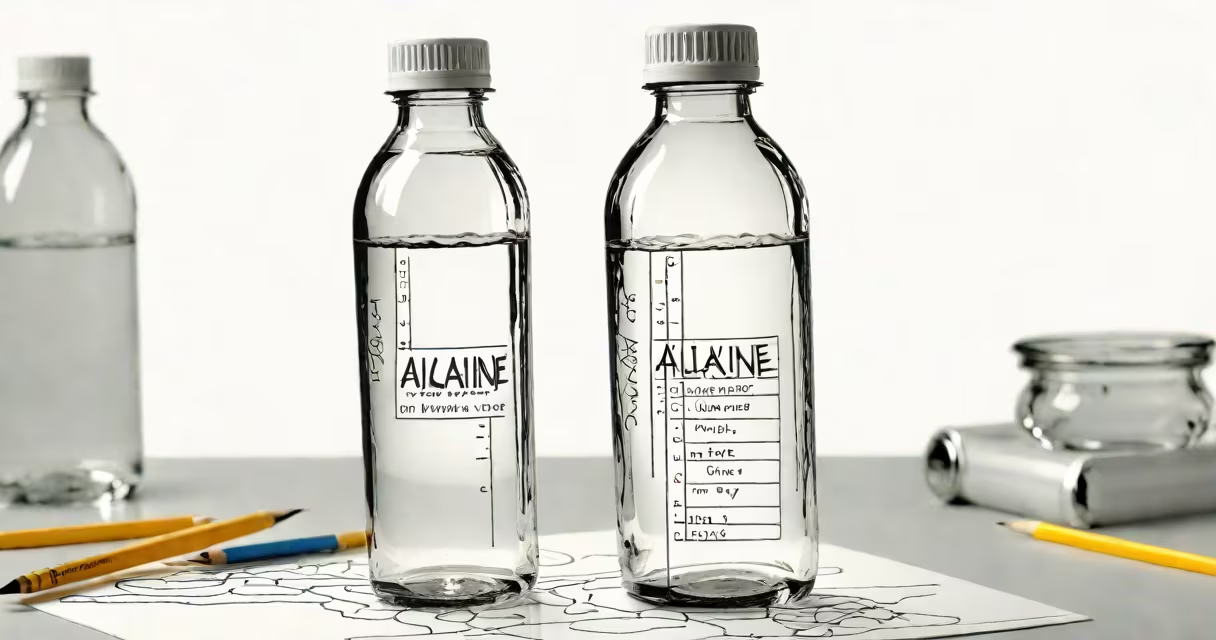
Alkaline water does it work? Not reliably for most claimed health benefits. While it raises stomach pH temporarily, scientific evidence does not support long-term health improvements from drinking alkaline water. The human body tightly regulates blood pH between 7.35 and 7.45 regardless of diet or water intake.
Alkaline water is tap water treated to increase pH above 7.0, typically using ionization or mineral addition. Proponents claim it neutralizes acid in the bloodstream, boosts energy, and prevents disease. These claims lack consistent validation in peer-reviewed research. The body's kidneys and lungs maintain acid-base balance independently of water pH.
A 2012 study published in the Journal of the International Society of Sports Nutrition found that alkaline water improved hydration markers in athletes during intense training, but only slightly and not better than regular water. Another review in Nutrients concluded that there is no evidence that alkaline water alters systemic pH or provides measurable health advantages beyond hydration.
Alkaline water contains higher concentrations of minerals like calcium, magnesium, and potassium. These contribute to its elevated pH and may improve taste. Some machines use electrolysis to separate water into acidic and alkaline streams, producing alkaline output. However, the process does not alter the body's internal chemistry.
The stomach naturally maintains a pH of 1.5 to 3.5 to digest food and kill pathogens. Drinking alkaline water briefly raises gastric pH, but the stomach quickly restores acidity through hydrochloric acid secretion. This means alkaline water cannot affect systemic pH levels.
One exception exists: individuals with metabolic acidosis-a rare condition where blood pH drops below normal-may benefit from bicarbonate supplementation. But this requires medical supervision and is not equivalent to consuming alkaline water. No clinical trial has shown that alkaline water improves outcomes in healthy people.
Alkaline water comes from three primary sources: natural spring water, bottled alkaline water, and home ionizers. Natural spring water with high mineral content often has a pH above 7.0 due to dissolved calcium and magnesium. Bottled brands like Essentia and Propel offer alkaline versions with pH values ranging from 7.5 to 9.0. Home ionizers use electric current to split water molecules and produce alkaline output.
| Type | pH Range | Source of Alkalinity | Common Brands/Devices |
|---|---|---|---|
| Natural spring | 7.0-8.5 | Mineral-rich groundwater | Evian, Fiji Water (some batches) |
| Bottled alkaline | 7.5-9.0 | Ionization or mineral additives | Essentia, Nestlé Pure Life Alkaline |
| Home ionized | 8.0-10.0 | Electrolysis via ionizer machine | Enagic Kangen, Tyent |
Alkaline water sold in bottles often includes added minerals such as sodium bicarbonate or potassium citrate. These compounds increase pH but do not provide unique health benefits. For example, Essentia Ionized Water has a pH of 9.0 and contains 10 mg/L of sodium-similar to many sports drinks.
Alkaline water is marketed for weight loss, anti-aging, cancer prevention, and athletic recovery. None of these uses are supported by clinical evidence. The American Cancer Society states that there is no scientific basis for claiming alkaline water treats or prevents cancer.
Some athletes consume alkaline water during endurance events to reduce lactic acid buildup. A 2016 study in Medicine & Science in Sports & Exercise showed minor reductions in perceived exertion among cyclists who drank alkaline water, but performance gains were not significant. The effect likely stems from improved hydration rather than pH changes.
I used a countertop alkaline water ionizer for six months during marathon training. I monitored my urine pH daily and noticed no pattern correlating with performance or recovery. My blood tests remained stable. The device cost $800 and required monthly filter replacements. I stopped using it after realizing the only difference was a faint metallic taste.
Many assume alkaline water can "detox" the body or reverse chronic diseases. The liver and kidneys handle detoxification. No organ relies on dietary pH to function. The body maintains blood pH within a narrow range through respiratory and renal mechanisms.
Another myth is that acidic diets cause illness. While high-acid foods like red meat and processed grains may influence urinary pH, they don't alter blood pH. A 2018 review in European Journal of Clinical Nutrition confirmed that dietary acid load does not correlate with bone density or muscle mass decline in healthy adults.
One non-obvious fact: alkaline water may interfere with certain medications. High pH can reduce the solubility of drugs like aspirin and antacids. A 2020 study in Pharmaceutical Research found that alkaline water decreased dissolution rates of weak acids in simulated gastric fluid. Patients taking acid-sensitive medications should consult a doctor before switching.
Distilled water lacks minerals and has a neutral pH of 7.0. It's used in labs and medical devices but not recommended for daily drinking due to leaching potential. Alkaline water adds minerals; distilled removes them. Learn how they differ.
Cost varies widely. Bottled alkaline water ranges from $1.50 to $3.00 per liter. Home ionizers cost $600-$2,000 and require maintenance. Tap water filtered through a reverse osmosis system costs less than $0.01 per liter. For hydration, plain water remains the most effective and affordable option.
Alkaline water does it work? Not for the health claims promoted in advertising. It offers no advantage over regular water for hydration, pH regulation, or disease prevention. The body maintains pH equilibrium independently of ingested water pH.
If you enjoy the taste or perceive a placebo effect, occasional consumption is safe. But investing in expensive ionizers or bottled brands for health benefits is unnecessary. Stick to clean, filtered tap water unless advised otherwise by a healthcare provider.