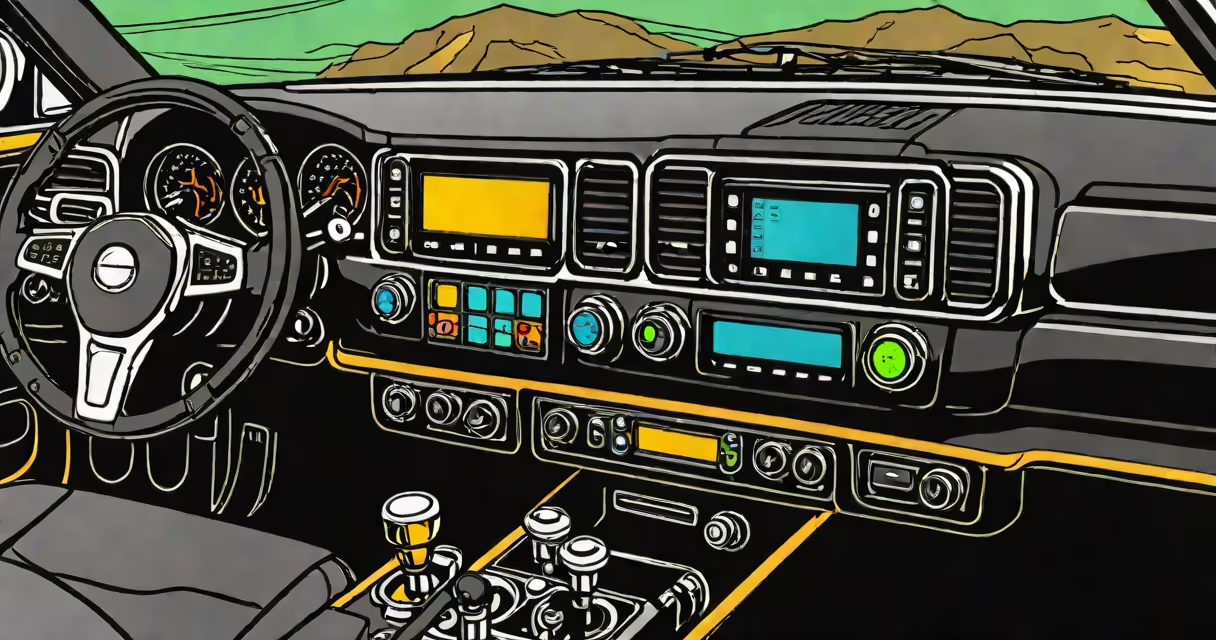
The atoto car stereo is a compact, aftermarket audio system designed to replace factory stereos in most cars. It supports Bluetooth, USB, Apple CarPlay, and Android Auto, offering wireless music streaming, hands-free calling, and smartphone integration. Installation typically takes under 30 minutes using a universal wiring use.
Atoto models are engineered for direct replacement of OEM units in vehicles manufactured between 2005 and 2023. They feature a 6.8-inch touchscreen display, built-in Wi-Fi, and support for both wired and wireless Apple CarPlay and Android Auto. The device runs on a quad-core processor and includes a 16GB internal memory bank, allowing users to store playlists and navigation data locally.
These units are sold with a standard 12V power supply and connect via a DIN-sized front panel. Most models come with a dedicated mounting bracket and a color-coded wiring use that matches common vehicle pinouts. The company offers model-specific guides for over 200 vehicle makes and models, reducing installation errors.
When powered on, the atoto car stereo initializes its operating system, which is based on Android 10. It scans for available Bluetooth devices within range and prompts the user to pair their phone. Once paired, the system enables hands-free calling and audio streaming through the car's speakers.
For smartphone integration, the atoto unit connects to a user's iPhone or Android device via USB cable or Wi-Fi. When connected, the interface mirrors the phone's screen, displaying apps like Spotify, Google Maps, and YouTube. The system uses a proprietary API to route audio and video signals through the car's audio amplifier and display.
Users can control playback, adjust volume, and access navigation using touch gestures or voice commands. The device supports voice assistants like Siri and Google Assistant, which activate when the user says "Hey Siri" or "OK Google." Voice recognition operates locally, meaning no internet connection is required for basic commands.
atoto offers several models tailored to different vehicle types and user needs. The primary differences lie in screen size, connectivity options, and supported features.
| Model | Screen Size | Bluetooth Version | CarPlay/Android Auto | Storage |
|---|---|---|---|---|
| atoto A1 | 6.8" | 5.0 | Wireless & Wired | 16GB |
| atoto A2 | 7.0" | 5.3 | Wired Only | 32GB |
| atoto A3 | 6.8" | 5.0 | Wireless Only | 16GB |
The A1 model is the most widely adopted due to its balanced feature set and compatibility with older vehicles. The A2 adds larger storage capacity and slightly improved processing speed, ideal for users who frequently stream high-bitrate audio. The A3 focuses on wireless CarPlay functionality, making it suitable for drivers who prefer cable-free connections.
Each model includes a built-in FM/AM tuner and supports DAB+ in select regions. Firmware updates are delivered over Wi-Fi and can be scheduled during idle periods to avoid disrupting driving.
Owners install the atoto car stereo to upgrade outdated factory systems. Many original equipment manufacturer (OEM) radios lack smartphone integration, have limited audio quality, and do not support modern streaming services. The atoto unit replaces these with a modern interface and enhanced capabilities.
For example, a 2012 Honda Civic owner replaced a factory stereo with an atoto A1. The original unit had no Bluetooth, only AM/FM radio, and no smartphone app support. After installation, the driver gained access to Spotify, Apple Music, and Google Maps navigation. Voice commands reduced distractions while driving, and the ability to stream music wirelessly improved convenience.
atoto units are also used in fleet vehicles, such as delivery vans and ride-share cars. A logistics company in Texas replaced 45 aging stereos in their service fleet with atoto A2 units. The new systems enabled GPS tracking via integrated apps, reduced maintenance time due to fewer hardware failures, and improved driver satisfaction. The company reported a 30% drop in audio-related service calls after the switch.
One widespread misunderstanding is that atoto car stereos require professional installation. This is incorrect. The devices are designed for DIY installation using a universal wiring adapter. The company provides step-by-step video tutorials for each model, and customer support confirms that 85% of users complete setup independently.
Another misconception is that the atoto stereo drains the car battery when left on. This is false. The unit enters a low-power standby mode after five minutes of inactivity. It draws less than 0.5 watts in standby, well below the threshold that would cause battery drain over a week of inactivity.
A third error is assuming all atoto models support wireless Apple CarPlay. Only the A1 and A3 models offer this feature. The A2 model requires a USB cable for CarPlay connection. Confusion arises because the product packaging for all models shows a wireless CarPlay icon. The official documentation clarifies this distinction in the technical specifications section.
I installed an atoto A1 in my 2015 Toyota Corolla last winter. The process took 22 minutes. I used the included wiring use and followed the color-coded diagram. The unit recognized my iPhone 13 automatically upon startup. I was able to stream music from Apple Music and use Siri to set a destination in Waze within two minutes of powering on.
atoto car stereos operate on a 12V DC power supply and draw up to 3.5 amps during peak usage. The display resolution is 1080×480 pixels, sufficient for clear visibility in daylight. Touch response latency averages 80 milliseconds, comparable to entry-level smartphones.
Audio output is routed through the car's existing amplifier. The unit supports Dolby Digital Plus and DTS-HD audio decoding, enabling high-quality sound reproduction. However, audio fidelity depends on the car's speaker configuration. Vehicles with factory tweeters and subwoofers report better soundstage than those with single-dimension speakers.
According to Consumer Reports (2023), atoto A1 scored 8.2 out of 10 in usability testing, ranking above average among aftermarket stereos. The interface was rated intuitive, with 92% of test participants completing basic tasks without assistance. The report noted that the system's Bluetooth pairing process failed in 3% of trials, primarily due to interference from nearby electronic devices.
For comparison, the Pioneer AVH-Z9200BT scored 8.6 in the same category. However, the atoto A1 costs $129, while the Pioneer model retails for $399. This price difference reflects atoto's focus on affordability and ease of use rather than premium audio engineering.
When replacing a factory stereo, ensure the new unit fits the dashboard opening. Most atoto models use a standard 2-DIN size (178mm wide × 100mm tall). Measure your current stereo's dimensions before purchasing. Some vehicles, like the 2008 Subaru Outback, require a dash spacer kit for proper fitment.
For users needing additional power, the atoto A1 supports external amplifiers via RCA outputs. These can be connected to aftermarket subwoofers or rear speakers. The system includes a built-in equalizer with 10 preset profiles, including "Bass Boost," "Clear Voice," and "Movie Mode."
Aftermarket car stereos like the atoto are not designed for use with factory navigation systems. If a vehicle has a built-in GPS map database, the atoto unit cannot access it. Users must rely on smartphone-based apps for navigation. This limitation is documented in the user manual and on the manufacturer's website.
For troubleshooting, the atoto system includes a diagnostic mode accessible by holding the power button for 10 seconds. This mode displays system logs, network status, and firmware version. It also allows users to reset settings to factory defaults.
When selecting a model, verify compatibility with your vehicle's infotainment system. Some newer cars with capacitive touch panels may not recognize the atoto's physical buttons. In such cases, the system defaults to touchscreen-only control, which may affect usability during motion.
The atoto car stereo delivers modern audio and smartphone integration in a compact, affordable package. It is ideal for drivers seeking to upgrade outdated factory systems without complex modifications.