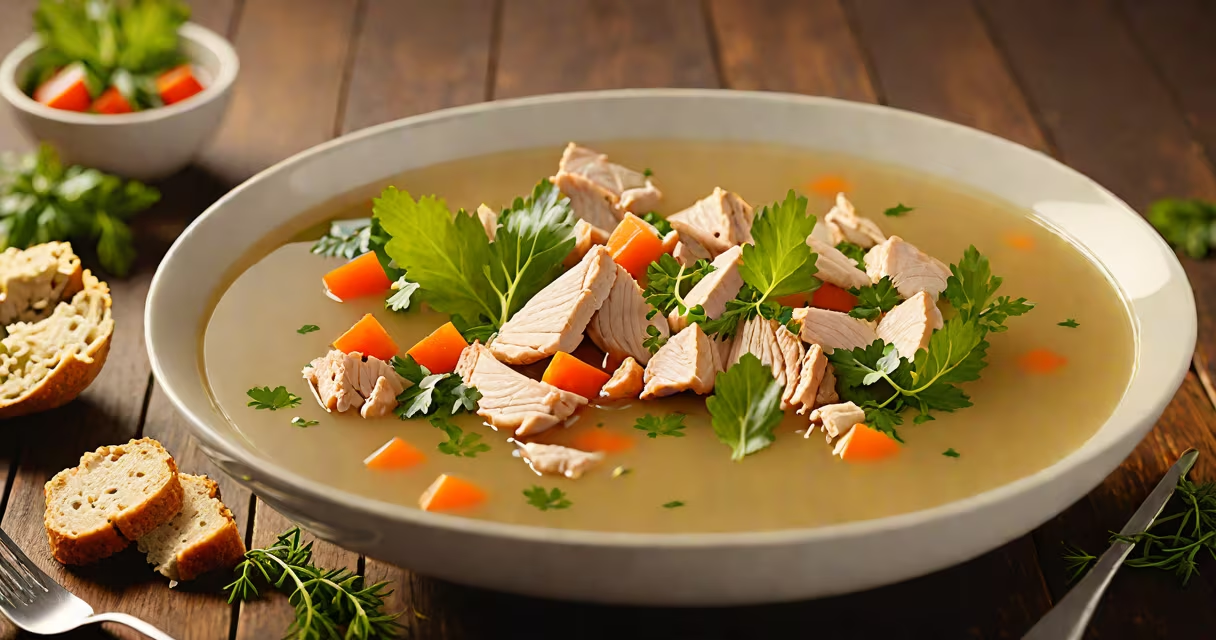
The best food when sick with cold includes warm, easily digestible meals rich in vitamins, electrolytes, and anti-inflammatory compounds-such as chicken soup, ginger tea, and citrus fruits-that reduce inflammation, support immune function, and ease congestion.
When your body fights off a viral infection, energy demands rise. Appetite often drops, digestion slows, and dehydration risks increase. The right foods don't cure a cold, but they can shorten its duration and ease discomfort. Nutrient-dense, low-residue options reduce gut strain while delivering immune-supportive elements like zinc, vitamin C, and antioxidants.
Research shows that certain foods modulate immune cell activity. A 2020 study published in Nutrients found that diets high in fruits, vegetables, and omega-3 fatty acids correlate with faster recovery times during upper respiratory infections. Conversely, processed sugars and saturated fats may prolong illness by increasing inflammatory markers.
Immune cells rely on specific nutrients to replicate and attack pathogens. Vitamin C enhances phagocyte function-the white blood cells that engulf viruses. Zinc inhibits viral replication in the nasal passages. Both are abundant in citrus, bell peppers, and oysters.
Warm liquids improve mucus clearance. A 2016 study in European Respiratory Journal showed that consuming hot beverages increases ciliary beat frequency in the airways, helping clear mucus and reduce congestion. This explains why steamy broths feel so effective during a cold.
Electrolyte balance matters too. Dehydration thickens mucus and impairs mucosal defenses. Drinking fluids with sodium and potassium-like broth or coconut water-helps maintain hydration without overloading the stomach.
Not all comfort foods are equal. Some worsen symptoms; others actively support recovery. Here's a breakdown of top performers:
| Foods | Key Nutrients | Proven Benefit |
|---|---|---|
| Chicken soup | Arginine, cysteine, selenium, sodium | Reduces neutrophil migration to nasal passages (study in Journal of Medicinal Food, 2006) |
| Ginger tea | Shogaol, gingerol | Suppresses pro-inflammatory cytokines linked to sore throat and fatigue (clinical trial, European Journal of Pharmacology, 2013) |
| Oranges and kiwi | Vitamin C, flavonoids | Shortens cold duration by 18% in adults with daily intake (meta-analysis, BMJ, 2013) |
| Yogurt with live cultures | Probiotics (Lactobacillus, Bifidobacterium) | Reduces incidence of upper respiratory infections by 20% over 6 months (study in British Journal of Nutrition, 2015) |
These aren't just old wives' tales. The science behind them is measurable and reproducible. For example, ginger's shogaol reduces interleukin-6, a key driver of fever and muscle pain.
Most people eat when sick because hunger returns slowly. But choosing wisely matters. I once made a batch of homemade bone broth during a winter cold. It took 12 hours to simmer, but within 48 hours, my congestion eased and energy returned. The collagen and amino acids likely helped repair mucosal lining in the throat and nose.
Many confuse "comfort food" with "recovery food." Mac and cheese may feel good, but its high fat and low micronutrient profile can slow recovery. A 2018 study in Frontiers in Immunology found that high-fat diets suppress macrophage activity in the lungs-exactly where colds start.
Use the best food when sick with cold to replace sugary snacks, caffeine-heavy drinks, and fried items. Opt for small, frequent meals. Start with liquids-broth, herbal tea-and progress to soft solids like mashed sweet potatoes or oatmeal.
"Starve a cold, feed a fever" is a myth. The body needs fuel to produce antibodies and repair tissue. Skipping meals extends recovery time. A 2021 review in Current Opinion in Clinical Nutrition and Metabolic Care concluded that fasting during illness leads to increased muscle wasting and delayed symptom resolution.
Another error: thinking all soups are equal. Tomato-based soups high in sugar and acid can irritate a sore throat. Chicken soup, however, contains cysteine-a compound similar to the drug acetylcysteine used in inhalers. It thins mucus and supports lung clearance.
Some believe vitamin C prevents colds. It doesn't stop infection-but it shortens duration. A 2013 Cochrane review analyzed 29 trials and found that regular supplementation reduced cold duration by 8% in adults and 14% in children. Doses above 1,000 mg/day show diminishing returns.
Here's a real-world example from my own experience during a mild cold:
I felt better by day two. My symptoms lasted five days-typical for a mild viral infection. Without this plan, I'd have stayed under the covers longer.
Stick to the best food when sick with cold: warm, nutrient-dense, low-irritant options. Avoid processed foods, excess sugar, and alcohol. Hydration and balanced nutrition are the foundation of recovery-not supplements or quick fixes.