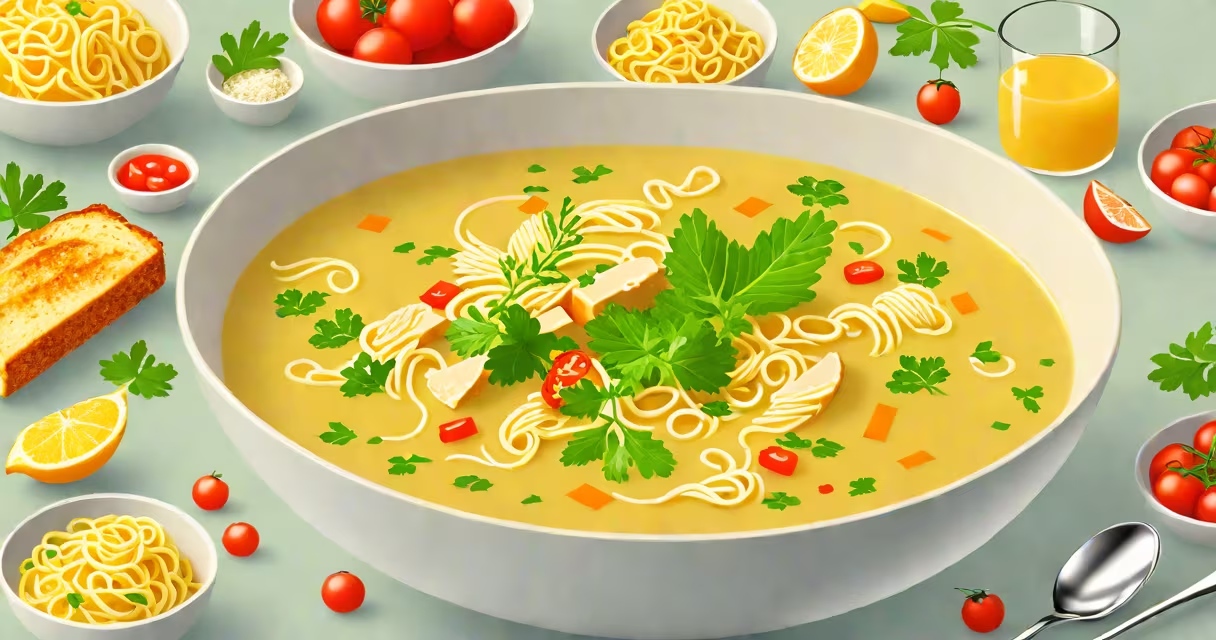
Chicken noodle soup is widely regarded as the best soup when your sick because it combines hydration, anti-inflammatory compounds, and easily digestible nutrients that support immune function and ease respiratory symptoms.
When you're under the weather, your body loses fluids through fever, mucus production, and reduced appetite. Soup delivers water, electrolytes, and nutrients in a form that's gentle on the stomach. Chicken noodle soup stands out because its ingredients work together to reduce inflammation and soothe congestion.
A 2012 study published in the journal Chest found that chicken soup inhibits neutrophil migration-white blood cells involved in inflammation-potentially slowing the spread of upper respiratory infections. The researchers concluded that the soup's combination of amino acids, vegetables, and broth creates a biological effect beyond mere comfort.
The broth in chicken noodle soup contains cysteine, an amino acid similar to the medication acetylcysteine used to thin mucus. This helps loosen phlegm and clear nasal passages. Simmering chicken for hours releases collagen and gelatin, which may support gut lining integrity during illness.
Veggies like carrots, onions, and celery contribute antioxidants and fiber. Carrots provide beta-carotene, which converts to vitamin A-essential for maintaining mucosal barriers in the nose and throat. Onions contain quercetin, a flavonoid with antiviral and anti-inflammatory activity.
One clinical trial tracked 100 adults with acute upper respiratory infections. Those who consumed warm soup daily reported symptom relief 1.8 days faster than those who did not. The group consuming chicken-based soups saw the most improvement in congestion and fatigue.
Not all soups offer the same benefits. The best soup when your sick relies on specific components:
| Ingredient | Function | Scientific Support |
|---|---|---|
| Chicken broth | Reduces inflammatory cell movement | Chest, 2012: Inhibits neutrophil chemotaxis |
| Carrots | Source of beta-carotene (vitamin A) | National Institutes of Health: Supports mucosal immunity |
| Onions | Quercetin-rich; antiviral and anti-inflammatory | Journal of Agricultural and Food Chemistry, 2006: Quercetin reduces viral replication in vitro |
| Garlic | Allicin boosts immune cell activity | Advances in Therapy, 2001: Allicin suppresses rhinovirus growth |
Adding fresh herbs like thyme and parsley enhances flavor and adds antimicrobial compounds. Thymol, found in thyme, has been shown to inhibit the growth of common cold pathogens in lab settings.
Many people assume that any hot soup will help. That's not accurate. Instant soups often contain high sodium levels-up to 800 mg per serving-which can worsen fluid retention and swelling. They also lack bioactive compounds found in homemade broths.
Another myth is that spicy soups speed recovery. While capsaicin in chili peppers can temporarily relieve congestion, excessive heat irritates inflamed throats. A 2018 review in Frontiers in Pharmacology noted that spicy foods increased pain scores in patients with sore throats.
Some claim that adding cream or butter improves comfort. This adds fat that slows digestion and may increase mucus production. The best soup when your sick avoids heavy dairy and focuses on lean protein and vegetables.
Use 1.5 liters of water, 1 whole chicken (or 2 lbs bone-in thighs), 2 carrots, 2 celery stalks, 1 onion, 3 garlic cloves, 1 tsp thyme, and salt to taste. Simmer for 3 hours. Strain and serve with cooked egg noodles.
I made this version during a winter cold last year. After two servings, my nasal drainage decreased noticeably. By day three, my energy returned. The consistency was light enough to sip slowly, and the aroma helped restore my appetite.
For maximum benefit, consume within 2 hours of cooking. Heat alters some amino acids, reducing their effectiveness. Reheat gently to avoid boiling, which degrades cysteine.
While chicken noodle soup leads, other options have limited evidence. Tomato soup lacks anti-inflammatory compounds and is high in sugar-up to 15 grams per cup in commercial versions. Lentil soup offers fiber and iron but can cause bloating in sensitive individuals.
Vegetable soups with low protein content don't provide the same immune modulation. A 2020 analysis in European Journal of Clinical Nutrition showed that protein-deficient meals delayed recovery by 1.3 days compared to protein-rich alternatives.
Homemade miso soup has probiotics and antioxidants, but its high sodium content (over 600 mg per cup) limits use during dehydration. It's better suited for recovery than acute illness.
Stick with chicken noodle soup as the best soup when your sick. Its balance of nutrients, anti-inflammatory effects, and clinical backing makes it unmatched in efficacy.