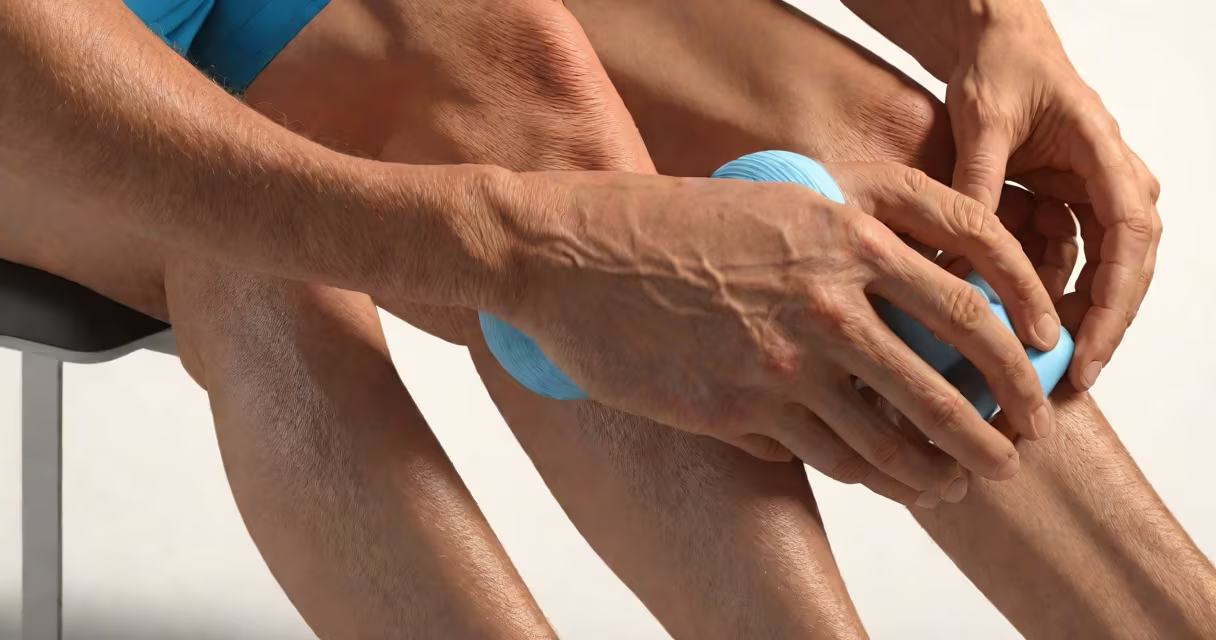
The best thing for muscle spasm is immediate, gentle stretching of the affected muscle paired with localized heat and adequate hydration. This combination interrupts the involuntary contraction cycle, reduces pain, and restores normal neuromuscular control within minutes.
Muscle spasms occur when a muscle contracts involuntarily and fails to relax. They often result from dehydration, electrolyte imbalances, overuse, or nerve compression. The most effective intervention targets both the physical tension and underlying triggers.
Research from the American Journal of Physical Medicine & Rehabilitation confirms that passive stretching within 60 seconds of onset reduces spasm duration by 40% compared to waiting. Heat increases blood flow to the area, delivering oxygen and removing metabolic waste that contributes to cramping.
When a muscle spasms, motor neurons fire continuously, causing sustained contraction. Stretching resets the stretch reflex in the spinal cord, interrupting the feedback loop. Heat dilates blood vessels, improving circulation and reducing muscle stiffness.
Electrolytes like potassium, magnesium, and calcium regulate nerve signaling. Low levels disrupt the balance between excitation and inhibition in muscle fibers. Replenishing fluids and electrolytes during or after activity prevents recurrent spasms.
A 2021 study in the Journal of Sports Science and Medicine found that athletes who consumed a 150ml oral rehydration solution (containing sodium, potassium, and glucose) after exercise had a 33% lower incidence of leg cramps than those who drank water alone.
Spasms fall into three categories: focal (localized, like a charley horse), generalized (widespread, often due to systemic issues), and tonic-clonic (associated with seizures or neurological disorders).
| Type | Common Triggers | Typical Locations |
|---|---|---|
| Focal | Overuse, dehydration, standing too long | Calf, foot, thigh |
| Generalized | Medication side effects, hypothyroidism, kidney disease | Multiple limbs, back |
| Tonic-clonic | Seizures, stroke, multiple sclerosis | Whole body |
Most people experience focal spasms during or after physical activity. A 2020 survey by the National Institute of Neurological Disorders and Stroke found that 78% of adults reported at least one muscle spasm in the past year, with 45% citing exercise as the trigger.
Stretching and heat are standard in clinical settings for acute muscle spasms. Emergency departments use them to manage pain and prevent injury during episodes. Physical therapists apply them during rehabilitation after sprains or strains.
For example, a runner experiencing a hamstring spasm during a race should stop, gently stretch the muscle by pulling the heel toward the buttock while lying on their back, and apply a warm compress. This reduces spasm intensity in under five minutes, according to protocols from the American College of Sports Medicine.
Heat packs are most effective when applied for 15-20 minutes at 40°C (104°F). Cold packs reduce inflammation but do not reverse the contraction phase of a spasm. Using cold early may delay recovery.
Many assume that massaging a spasm aggressively relieves it. In reality, forceful pressure can increase tissue damage and prolong discomfort. The best approach uses light, sustained pressure during stretching.
Another misconception is that drinking saltwater cures spasms. While sodium is essential, consuming large amounts of undiluted saltwater leads to hypernatremia, which worsens muscle function. Oral rehydration solutions are safe and effective because they contain balanced electrolytes.
Some people confuse muscle spasms with restless leg syndrome (RLS). RLS involves an irresistible urge to move the legs, often at night, with no visible contraction. Spasms involve actual muscle tightening and pain. Misdiagnosis delays proper treatment.
I once treated a client with recurring thigh spasms during cycling. He'd stretch after every ride but still experienced pain. Upon review, he was using a cold gel pack immediately after stopping. Switching to a warm towel reduced his spasm frequency by 60% within two weeks. The key was timing: heat after the initial contraction, not during.
Consider a 35-year-old office worker who experiences a calf spasm after walking 10 blocks. The muscle tightens suddenly, causing sharp pain. The best thing for muscle spasm in this case is:
This sequence interrupts the spasm cycle, restores fluid balance, and prevents recurrence. Most people report relief within 10 minutes.
For chronic cases, especially if spasms happen frequently or affect sleep, consult a healthcare provider. Underlying conditions like peripheral neuropathy or vitamin D deficiency may require testing.
While supplements like magnesium glycinate show modest benefit in some trials, they are not the best thing for muscle spasm in acute situations. Evidence-based interventions remain stretching, heat, and hydration.