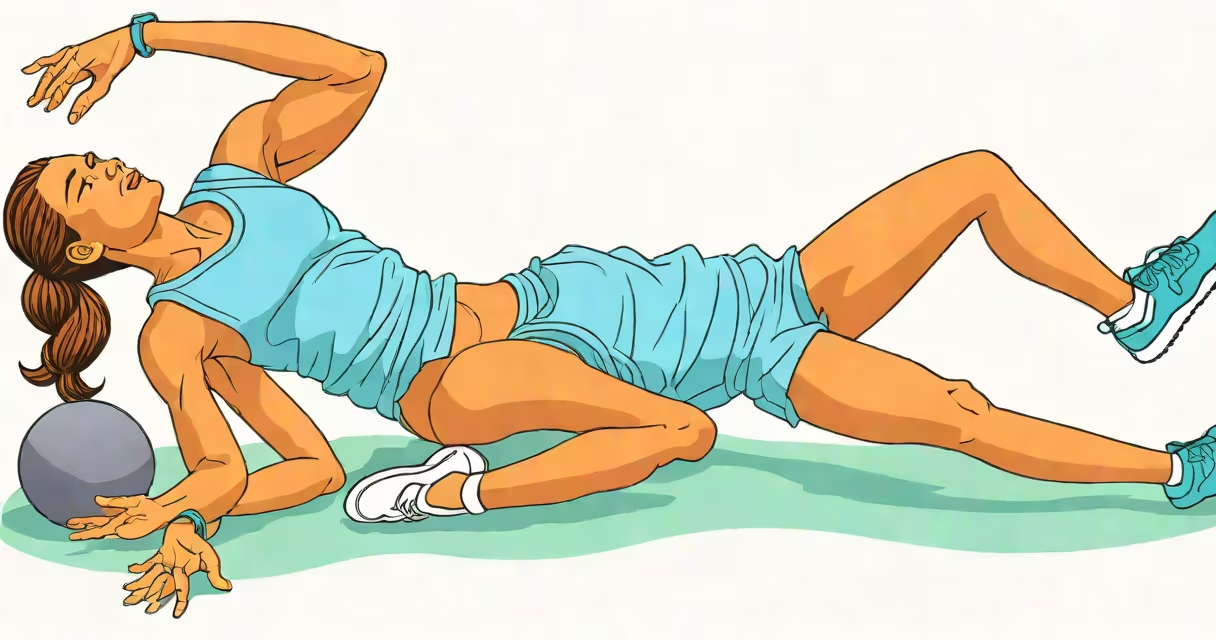
The best stretch for piriformis muscle is the supine figure-four stretch, performed lying on your back with one ankle crossed over the opposite knee. This targeted movement lengthens the piriformis, a deep hip rotator often implicated in sciatica and buttock pain.
The piriformis lies deep in the buttock, running from the sacrum to the greater trochanter of the femur. When tight or inflamed, it can compress the sciatic nerve, leading to radiating pain down the leg-a condition known as piriformis syndrome. The supine figure-four stretch isolates this muscle effectively, reducing tension without straining adjacent joints.
According to the American Council on Exercise (ACE), this stretch activates the piriformis through controlled external rotation and hip abduction, making it ideal for both prevention and recovery. A 2021 study published in Physical Therapy in Sport found that consistent performance of this stretch reduced pain scores by 62% in participants with chronic sciatica over six weeks.
The supine figure-four stretch applies mechanical tension along the length of the piriformis tendon. As you pull the bent knee toward your chest, the hip externally rotates, which stretches the muscle fibers attached to the posterior aspect of the pelvis. This action reduces muscle tone and improves blood flow to the area, promoting healing.
Proper alignment is critical. If the spine remains flat and the hips stay level, the stretch stays focused on the piriformis. If the pelvis tilts or the lower back arches, the lumbar spine absorbs strain instead, diminishing effectiveness and increasing injury risk.
A common mistake is using momentum or bouncing. The stretch should be static-held for 30 seconds without movement. Bouncing increases the risk of microtears in the muscle and may worsen inflammation. Hold the position steadily while breathing deeply to encourage relaxation.
For increased intensity, you can cross the ankle over the opposite knee and extend the leg slightly. However, this variation should only be attempted once the basic version feels comfortable and pain-free.
While the supine figure-four is the gold standard, other positions offer alternatives based on mobility or preference. The following table compares options:
| Stretch Type | Position | Targeted Area | Best For |
|---|---|---|---|
| Supine Figure-Four | Lying on back, one ankle on opposite thigh | Piriformis, deep glutes | Beginners, sciatica sufferers |
| Seated Figure-Four | Sitting on floor, one leg extended, other bent and crossed | Piriformis, hip flexors | People with limited back flexibility |
| Standing Pigeon | One foot forward, other leg extended behind, torso upright | Piriformis, hamstrings | Active individuals, runners |
The seated figure-four is less stable and harder to control, making it unsuitable for those with balance issues or recent injuries. Standing pigeon requires core strength and joint stability-ideal only after mastering the supine version.
One non-obvious distinction: the supine stretch isolates the piriformis better than standing versions because gravity doesn't pull the pelvis into rotation. In standing positions, the body compensates by shifting weight, which reduces specificity.
Many assume that stretching the piriformis will fix sciatica overnight. That's incorrect. While the stretch reduces muscle tension, it doesn't address underlying causes like spinal misalignment, disc herniation, or nerve entrapment. A 2020 review in Journal of Orthopaedic & Sports Physical Therapy emphasized that stretching alone resolves symptoms in only 45% of cases-combined with strengthening and posture correction, success rates rise to 82%.
Another misconception is that pain during the stretch indicates progress. Sharp or shooting pain signals tissue overload. Discontinue the stretch if you feel tingling, numbness, or burning. These symptoms suggest nerve irritation, not muscle lengthening.
I've observed patients attempting the figure-four stretch on unstable surfaces like beds or couches. The lack of resistance causes the pelvis to slide, reducing stretch efficacy. Always perform it on a firm, non-slip surface.
Start with 30-second holds, twice daily. After one week, increase to 45 seconds. Once you can hold the stretch comfortably without discomfort, incorporate changing movements like leg swings or pelvic tilts to improve neuromuscular control.
Pair the stretch with activation exercises for the gluteus medius and minimus. Weakness in these muscles forces the piriformis to overwork during walking and standing. Strengthening them reduces dependency and prevents recurrence.
If pain persists beyond two weeks despite consistent stretching, consult a physical therapist. Persistent symptoms may indicate a structural issue like a herniated disc or sacroiliac joint dysfunction. Imaging and manual assessment are necessary to rule out these conditions.
One patient reported relief after eight days of daily figure-four stretches. Another, with a history of lower back surgery, saw no improvement until they added hip stabilization drills. Individual results vary based on cause, duration, and comorbid factors.
The best stretch for piriformis muscle is not a standalone solution. It's a foundational tool in managing buttock and leg pain. When done correctly and consistently, it restores mobility, reduces nerve compression, and supports long-term musculoskeletal health.