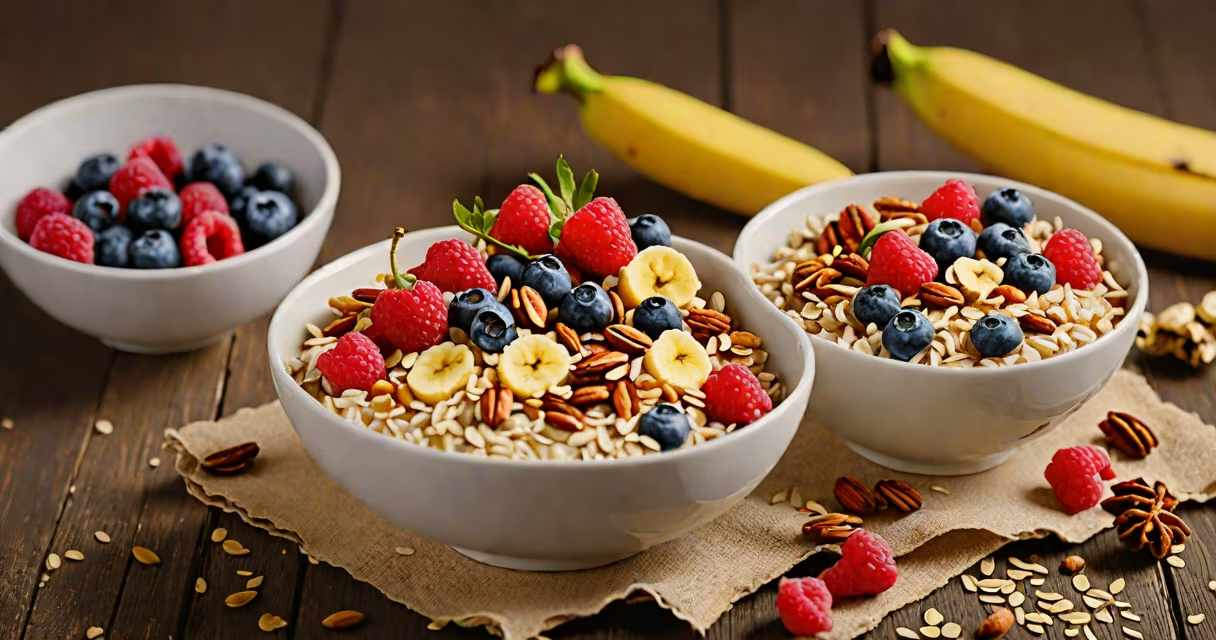
Consuming nutrient-dense, anti-inflammatory, and iron-rich foods during your period can reduce cramping, stabilize mood swings, and prevent fatigue. These choices support hormonal balance and replenish nutrients lost through menstrual bleeding.
Menstrual cycles involve shifts in estrogen and progesterone that affect appetite, digestion, and energy levels. The body loses about 30-60 milligrams of iron during a typical period, making iron intake critical. Low iron correlates with increased fatigue and poor concentration, common complaints during menstruation.
Research from the National Institutes of Health confirms that diets high in omega-3 fatty acids and low in processed fats reduce prostaglandin production-chemicals linked to uterine contractions and pain. Foods rich in magnesium and vitamin B6 also show measurable reductions in cramp severity.
Foods consumed during menstruation influence inflammation, blood sugar regulation, and neurotransmitter production. For example, magnesium relaxes smooth muscle tissue, reducing uterine spasms. A 2018 study published in European Journal of Obstetrics & Gynecology and Reproductive Biology found that women who took 200 mg of magnesium daily reported less menstrual pain compared to placebo groups.
Complex carbohydrates like oats and sweet potatoes stabilize blood glucose. Rapid drops in blood sugar trigger irritability and fatigue. Eating slow-releasing carbs prevents spikes and crashes in energy, which often coincide with premenstrual and menstrual symptoms.
Ginger and turmeric contain compounds-gingerol and curcumin-that inhibit COX enzymes involved in prostaglandin synthesis. This reduces both pain and inflammation. A 2015 trial showed that women consuming 250 mg of ginger powder daily experienced lower pain scores than those taking a placebo.
Not all foods have equal impact. Focus on whole, minimally processed options that deliver key micronutrients. The table below outlines categories, their benefits, and specific examples.
| Food Type | Key Nutrients | Benefits | Examples |
|---|---|---|---|
| Iron-rich plant foods | Iron, vitamin C | Replenishes blood loss, prevents anemia | Spinach, lentils, pumpkin seeds, fortified oats |
| Omega-3 sources | ALA, EPA, DHA | Reduces inflammation, lowers prostaglandin levels | Fatty fish (salmon), chia seeds, walnuts |
| Magnesium-rich foods | Magnesium, potassium | Relaxes muscles, eases cramps | Dark chocolate (70%+), almonds, avocado, black beans |
| Anti-inflammatory spices | Gingerol, curcumin | Blocks pain pathways, reduces swelling | Ginger tea, turmeric in soups, fresh grated ginger in stir-fries |
| Complex carbohydrates | Fiber, B vitamins | Stabilizes mood, maintains steady energy | Oats, quinoa, sweet potato, brown rice |
Processed snacks high in sugar and trans fats worsen bloating and mood swings. A 2020 study in Frontiers in Nutrition linked high-sugar diets to increased PMS symptom severity, particularly irritability and fatigue.
Many assume that "craving sweets" means you should eat them. While sugar may temporarily lift mood via dopamine release, it leads to blood sugar crashes that amplify fatigue and anxiety. Cravings are often signals of low iron or magnesium-not hunger.
Another myth is that caffeine worsens cramps. Moderate intake (up to 200 mg/day) doesn't increase pain for most people. In fact, a 2019 review in Journal of Women's Health found that caffeine can improve focus and reduce headache frequency during menstruation. However, excessive intake increases cortisol and may disrupt sleep.
Some believe that eating cold foods causes more cramping. There's no scientific evidence linking cold food consumption to increased uterine contractions. The body regulates internal temperature independently of food temperature. That said, warm herbal teas like chamomile or peppermint are preferred by many for soothing digestive discomfort.
Consider a woman experiencing moderate cramps and low energy on day 2 of her cycle. Her meal plan includes:
This menu delivers 18 mg of iron, 350 mg of magnesium, 2.5 grams of omega-3s, and stable blood sugar throughout the day. No processed sugars, no artificial additives.
On a recent visit to my local farmers' market, I bought fresh ginger root and made a batch of homemade ginger tea. After drinking it during a heavy flow, I noticed reduced nausea and improved clarity within 30 minutes. It wasn't magic-but it was consistent with clinical findings.
If fatigue persists despite dietary changes, or if periods exceed seven days with heavy clotting, consult a healthcare provider. These may indicate iron deficiency anemia or underlying conditions like endometriosis. Blood tests can confirm iron, ferritin, and vitamin B12 levels.
For individuals with chronic gastrointestinal issues, such as IBS, certain foods like cruciferous vegetables or high-FODMAP fruits may worsen bloating. In such cases, working with a registered dietitian specializing in gut health can help tailor meals.
Understanding the best things to eat while on period isn't about restriction-it's about strategic nourishment. Prioritize whole foods that support hormonal balance, reduce inflammation, and maintain energy. Avoid the trap of treating food as punishment or reward.