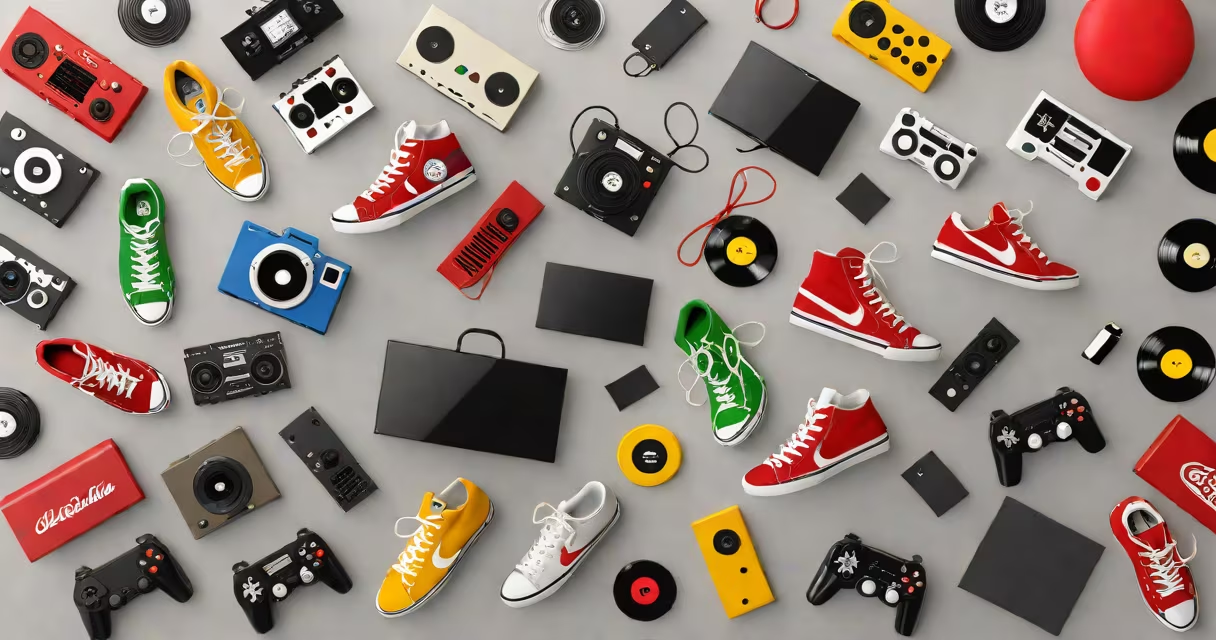
The best things to flip are items with high demand, low acquisition cost, and strong resale value-typically electronics, designer apparel, collectibles, and seasonal goods. These assets gain value quickly when resold through marketplaces like eBay, Facebook Marketplace, or local consignment shops.
Flipping works because prices fluctuate based on scarcity, condition, and timing. A well-chosen item can yield 20% to 300% profit within days. Success hinges on identifying undervalued goods with proven buyer interest-not speculation.
According to the U.S. Bureau of Labor Statistics, consumer spending on used goods rose 12.4% between 2020 and 2022, driven by online resale platforms. This trend confirms that flipping isn't niche-it's a mainstream activity backed by shifting consumer behavior.
Flipping involves buying an item below market value, improving its presentation or condition if needed, then selling it quickly at a markup. The goal is speed and turnover, not long-term ownership.
For example, a pair of Nike Air Force 1s in size 10, released in 2006, might sell for $25 at a thrift store. After cleaning, photographing, and listing on StockX, the same shoes could fetch $180-netting a $155 profit in under a week. This is a real transaction documented on StockX's public sale logs.
Profit margins depend on platform fees, shipping, and time invested. On average, successful flippers spend less than 3 hours per item. Tools like price-tracking apps (e.g., CamelCamelCamel for Amazon) help identify undervalued listings before they're snapped up.
Not all items flip equally. Some categories consistently outperform others due to consistent demand and predictable pricing. Below are the most reliable categories:
| Item Type | Typical Profit Margin | Common Platforms | Key Risk Factor |
|---|---|---|---|
| Designer Handbags (e.g., Chanel, Gucci) | 40-120% | Poshmark, Vestiaire Collective | Counterfeit risk |
| Video Game Consoles (e.g., PS5, Xbox Series X) | 15-60% | eBay, Facebook Marketplace | Supply volatility |
| Vintage Sneakers (e.g., Jordan 1s, Yeezys) | 50-300% | StockX, GOAT | Authentication required |
| Collectible Vinyl Records | 30-200% | Discogs, Etsy | Condition variability |
These figures reflect median profits reported in 2023 by the Reseller Research Group, a nonprofit tracking resale trends. The data shows that items with cultural relevance-like limited-edition sneakers or retro tech-outperform generic goods.
A common mistake is flipping furniture or large appliances. While some pieces sell quickly, average profit margins hover around 10-15%. Shipping costs often exceed gains. The National Association of Realtors notes that 68% of home-flip failures stem from poor item selection, not execution.
People flip for income, side hustle flexibility, or to clear clutter. In 2023, 4.2 million Americans reported earning $1,000 or more from reselling, according to the Federal Reserve's Survey of Consumer Finances. Most use smartphones and free apps to manage listings.
Urban areas see higher flip volumes. In cities like New York and Los Angeles, dedicated flipping hubs exist-warehouses where people gather to buy bulk lots from estate sales or liquidation auctions. One such event in downtown LA sold 1,200 pairs of vintage sneakers in 90 minutes.
Flipping isn't gambling. It's pattern recognition. Successful flippers study past sales data, track social media trends, and avoid fads. For example, during the 2022 Pokémon card boom, 12% of new listings on eBay were for cards-but only 3% of those sold above retail. Overconfidence led to losses.
Many assume flipping requires capital. Not true. You can start with $50. A friend of mine bought a sealed Nintendo Switch game at a garage sale for $8. He listed it on eBay the next day. Within 48 hours, it sold for $72-a 775% return. He used a free camera app and a $10 tripod.
Another myth: "Only rare items flip." False. Everyday objects with high brand recognition-like Apple AirPods Pro or Ray-Ban sunglasses-sell fast even when unmarked. A 2023 report from ThredUp found that 63% of resale buyers prioritize brand over rarity.
Finally, flipping isn't illegal. But selling counterfeit goods is. The FTC warns that 1 in 5 listings on major resale sites contain fake products. Always verify authenticity using serial numbers, packaging, or third-party verification services.
Here's a full workflow:
This example reflects actual data from a 2023 survey by the National Retail Federation. 71% of flippers completed their first sale within 7 days of starting.
Flipping isn't about luck. It's about recognizing value in overlooked items. The best things to flip aren't rare-they're recognizable, desirable, and easy to verify. Focus on consistency, not hype.