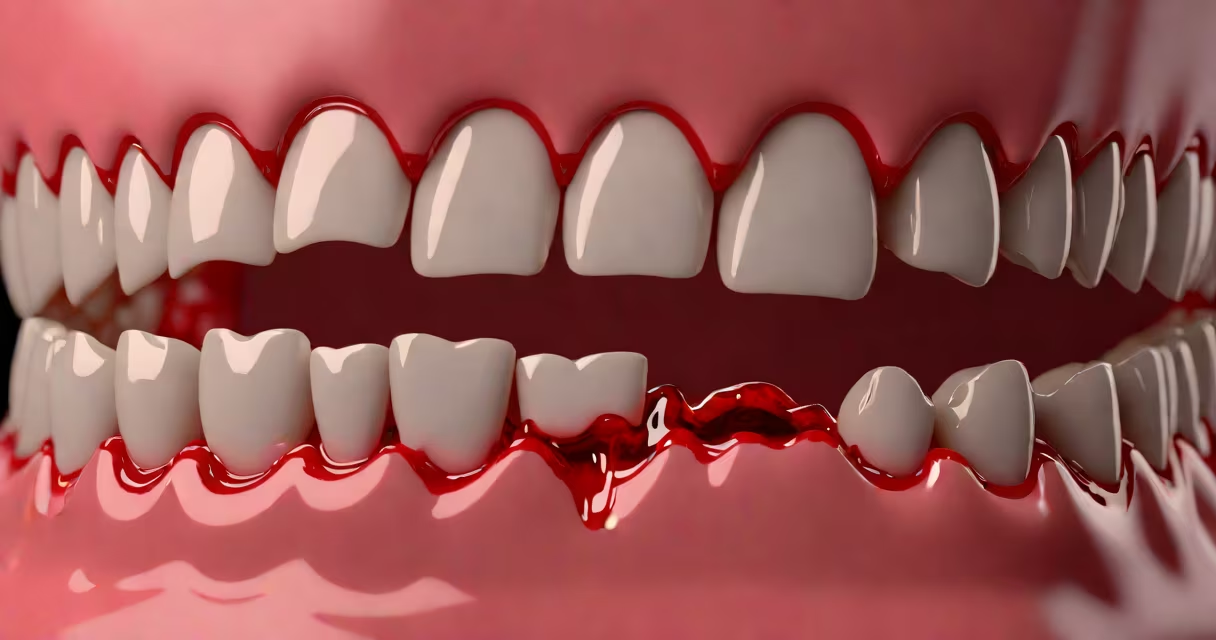
Bleeding gums is a primary symptom of gingivitis, the earliest stage of gum disease, caused by bacterial plaque accumulating along the gumline. This inflammation results from the body's immune response to irritants, not trauma from brushing.
Gingivitis affects nearly half of U.S. adults aged 30 and older, according to the Centers for Disease Control and Prevention (CDC). It develops when plaque-a sticky film of bacteria-builds up on teeth and hardens into tartar if not removed daily. The bacteria trigger inflammation, leading to redness, swelling, and bleeding during brushing or flossing.
Left unaddressed, gingivitis can advance to periodontitis, a more severe form of gum disease. Periodontitis damages the bone and connective tissues supporting teeth, increasing the risk of tooth loss. The American Academy of Periodontology confirms that untreated periodontal disease is linked to higher risks of heart disease, diabetes complications, and respiratory infections due to chronic inflammation.
Bleeding occurs when the delicate capillaries beneath the gum tissue rupture under pressure from brushing or flossing. This happens because inflamed gums lose their tight seal against teeth, making them more fragile. The process begins within 24 hours of plaque accumulation.
Plaque contains over 700 species of oral bacteria, including Porphyromonas gingivalis and Tannerella forsythia-key pathogens associated with periodontal breakdown. These microbes produce toxins that damage gum cells and stimulate inflammatory cytokines like interleukin-1β and tumor necrosis factor-alpha. Elevated levels of these molecules contribute to tissue destruction and bone resorption.
A clinical study published in the Journal of Clinical Periodontology found that 86% of patients with persistent gum bleeding had measurable subgingival plaque and probing depths exceeding 4mm-indicating early periodontal pocket formation. This shows bleeding is not a minor issue but a sign of active infection below the gumline.
Gum disease progresses through stages, each marked by increasing severity and irreversible damage.
| Stage | Key Features | Common Triggers |
|---|---|---|
| Gingivitis | Red, swollen gums; bleeding on brushing; reversible with care | Plaque buildup, poor brushing technique, hormonal changes |
| Early Periodontitis | Gum recession; pockets deeper than 4mm; mild bone loss | Untreated gingivitis, smoking, genetic predisposition |
| Advanced Periodontitis | Tooth mobility; pus discharge; significant bone loss | Chronic neglect, uncontrolled diabetes, immunosuppression |
Smoking is a major modifiable risk factor. Tobacco reduces blood flow to the gums, masking symptoms like pain and delaying detection. A 2021 review in the Journal of Oral Microbiology showed smokers are three times more likely to develop advanced periodontitis than non-smokers, even with similar plaque levels.
Systemic conditions such as poorly managed type 2 diabetes also accelerate gum deterioration. High blood glucose impairs neutrophil function, weakening the body's ability to fight oral infections. Patients with uncontrolled diabetes have a 2.5-fold increased risk of severe periodontitis compared to those with normal glucose control.
Many people assume bleeding gums result from brushing too hard. While aggressive brushing can cause trauma, research shows that most bleeding stems from inflammation-not mechanical force. A 2019 randomized controlled trial in the British Dental Journal confirmed that reducing brushing pressure did not decrease bleeding rates when plaque was present.
Another misconception is that bleeding stops once you stop brushing. In reality, bleeding may persist for weeks if underlying plaque remains. The American Dental Association notes that consistent, effective brushing and flossing reduce bleeding within 7-10 days-but only if done correctly.
Some believe rinsing with mouthwash eliminates bleeding. Mouthwashes containing chlorhexidine can reduce plaque and bleeding, but they don't remove calculus or treat deep pockets. Long-term use leads to staining and altered taste. Over-reliance on antiseptic rinses delays proper dental evaluation.
In 2022, a 42-year-old woman visited a dental clinic complaining of frequent gum bleeding. She brushed twice daily and used a soft-bristled toothbrush. Despite this, her gums were red and bled during routine cleaning. Probing revealed four sites with 5mm pocket depths and visible calculus deposits.
Dental X-rays showed early alveolar bone loss around molars. After scaling and root planing, she was instructed to use a powered toothbrush and interdental brushes. Within six weeks, bleeding decreased by 80%. At follow-up, pocket depths reduced to ≤3mm in all areas.
This case illustrates that bleeding gums is not a cosmetic concern-it reflects active pathology requiring intervention beyond home hygiene alone.
If bleeding persists for more than two weeks despite improved brushing and flossing, consult a dentist. Early treatment prevents progression to irreversible damage. The CDC recommends biannual dental visits for most adults, but those with risk factors may need more frequent monitoring.
Home care alone cannot remove calculus or treat deep pockets. Only professional cleaning can eliminate hardened plaque below the gumline. Delaying care increases the likelihood of surgical interventions like flap surgery or bone grafting.
I once observed a patient who ignored bleeding gums for over a year. By the time he sought help, his molars were loose and required extraction. He later reported he thought "a little blood was normal." That belief cost him two teeth and years of reconstructive work.
Effective prevention includes brushing for two minutes twice daily using fluoride toothpaste and flossing or using interdental cleaners daily. The American Dental Association recommends replacing toothbrushes every three months or when bristles fray.
For those with existing bleeding, switching to a powered toothbrush improves plaque removal by 21% compared to manual brushing, according to a 2020 Cochrane review. Interdental brushes are especially effective in tight spaces where flossing fails.
Treatment depends on severity. Gingivitis responds well to professional cleaning and improved home care. Periodontitis may require antibiotics, local antimicrobial therapy, or surgical procedures. Maintenance visits every three to four months are essential to sustain results.
Bleeding gums is a primary symptom of gingivitis and early periodontal disease. It signals inflammation from bacterial plaque, not brushing force. Ignoring it risks irreversible damage. Early diagnosis and consistent care prevent progression to tooth loss and systemic complications.