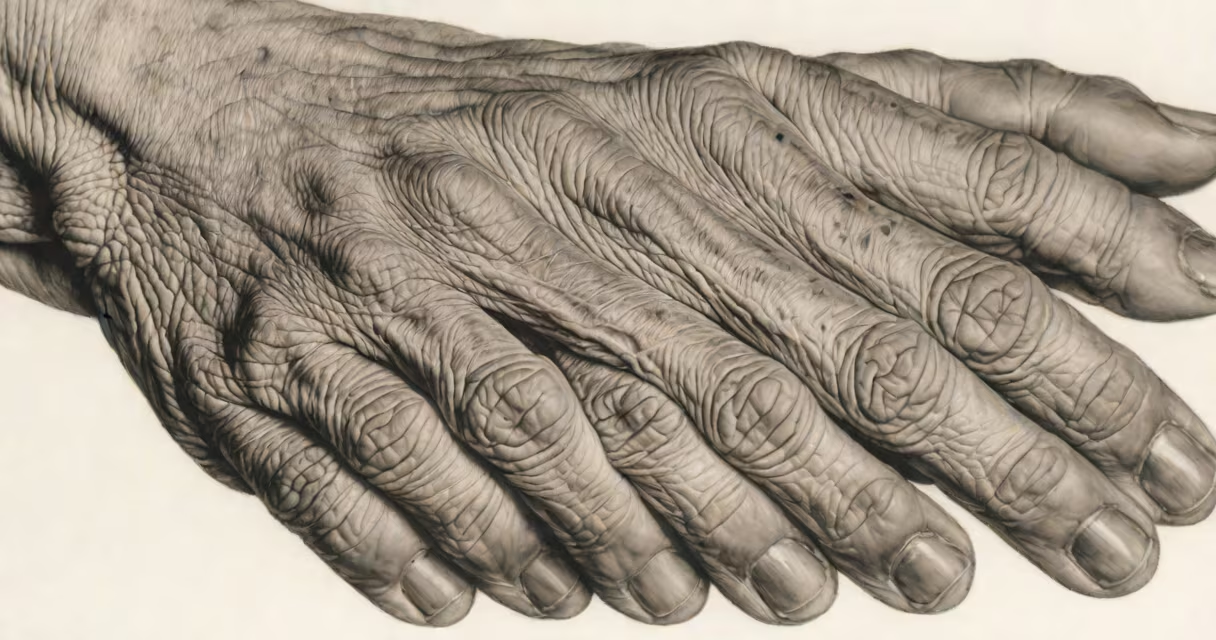
Bleeding under skin elderly describes visible blood pooling beneath the epidermis due to ruptured small blood vessels, commonly appearing as purple, red, or brown patches. This condition results from age-related thinning of skin and weakened capillary walls, making even minor trauma cause visible hemorrhages.
As skin loses elasticity and collagen production declines after age 60, capillaries become more fragile. A light bump or pressure-such as brushing against a door frame-can rupture these delicate vessels. The blood seeps into surrounding tissue, forming bruises or purpura. These lesions do not blanch (fade) under pressure, distinguishing them from harmless redness.
According to the American Academy of Dermatology, nearly 70% of adults over 70 experience unexplained bruising. While many cases stem from normal aging, persistent or widespread bleeding under skin in elderly individuals may indicate serious conditions such as thrombocytopenia, vitamin K deficiency, or medication side effects. Early recognition improves outcomes.
When a capillary bursts, red blood cells escape into the dermis. Hemoglobin breaks down over days, changing color -purple, then green-yellow as healing progresses. This color shift reflects the timeline of resorption-typically 7 to 14 days for a single lesion to fade completely.
Lesions appear flat and do not rise above the skin surface. They grow larger as blood spreads through loose connective tissue. Areas with thinner skin-forearms, shins, hands-are most vulnerable. The pattern often suggests accidental contact rather than intentional injury.
A key diagnostic clue: if multiple bruises appear without known trauma, especially on non-pressure areas like the abdomen or upper arms, it raises concern for systemic causes. For example, a 78-year-old woman developed bruises on her thighs after using a new anticoagulant. Her primary care provider confirmed low platelet counts and adjusted her medication.
There are several distinct patterns of bleeding under skin in older adults:
| Type | Description | Common Causes |
|---|---|---|
| Petechiae | Pinpoint red or purple dots (1-2 mm) | Low platelets, infections, drug reactions |
| Purpura | Larger spots (3-10 mm), non-blanching | Age-related fragility, corticosteroid use |
| Ecchymosis | Large, flat bruises (>1 cm) | Minor trauma, anticoagulants |
Petechiae are particularly concerning. Unlike bruises, they don't result from blunt force. Their presence may signal early signs of leukemia or severe bacterial infection. A study published in JAMA Internal Medicine found that 15% of patients presenting with petechiae had an undiagnosed hematologic disorder.
Medications are a frequent trigger. Anticoagulants like warfarin or direct oral anticoagulants (DOACs) reduce clotting ability. Even low-dose aspirin increases bleeding risk. A 74-year-old man taking daily aspirin for heart disease noticed new bruises on his legs. His doctor reduced the dose, and lesions resolved within two weeks.
Many assume all bruising in seniors is harmless. That's incorrect. While age-related fragility explains mild bruising, widespread or recurrent lesions require evaluation. A single bruise on the shin after stepping on a rug is typical. Multiple bruises across the torso or face suggest deeper pathology.
Another confusion: mistaking petechiae for insect bites. Petechiae lack central redness or swelling. They don't itch and don't follow a rash pattern. A 76-year-old woman thought her arm spots were bug bites until a dermatologist noted their uniform size and non-blanching nature-diagnosing immune thrombocytopenia.
Some believe bruising indicates poor hygiene or neglect. That's false. Bruising reflects biological changes-not behavior. A 79-year-old man with no history of falls developed extensive purpura. He was later diagnosed with vitamin K deficiency due to long-term antibiotic use. Treating the deficiency reversed the bleeding.
Red flags include bruises that appear without injury, grow rapidly, or occur alongside fatigue, fever, or nosebleeds. These may signal blood disorders or internal bleeding. The National Institute on Aging recommends consulting a physician if bruising persists beyond three weeks or affects mucous membranes.
I once observed a patient with chronic leg bruising who had been told "just fall more carefully." After a full blood panel, he was diagnosed with a rare coagulation factor deficiency. Correct treatment prevented hospitalization.
For any unexplained bleeding under skin elderly, a healthcare provider should assess platelet count, prothrombin time (PT), and partial thromboplastin time (PTT). These tests detect clotting abnormalities. If findings are abnormal, further workup including bone marrow biopsy may be needed.
Prevention focuses on minimizing trauma. Use padded clothing, remove tripping hazards, and avoid high-risk activities. Topical retinoids and vitamin C supplements may improve capillary strength, though evidence remains limited. Always consult a doctor before starting supplements.
Bleeding under skin elderly is not always benign. While many cases stem from natural aging, the presence of unusual or recurring lesions demands attention. Early detection of underlying conditions prevents complications like internal hemorrhage or prolonged recovery.