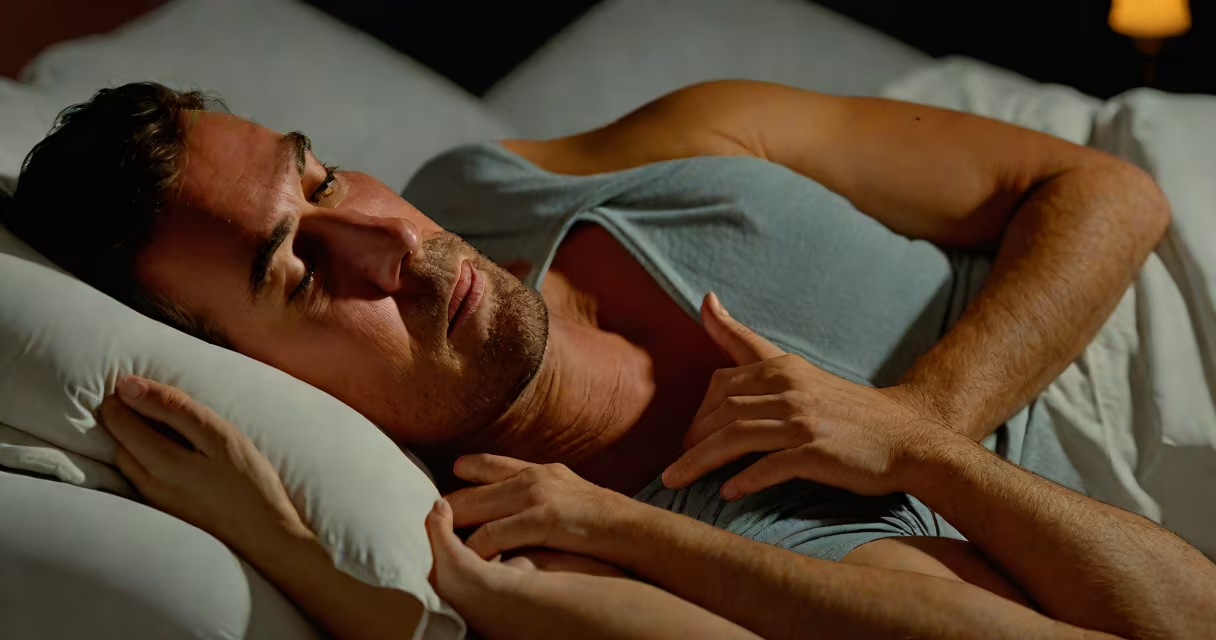
breathing exercises before bed are structured breathing patterns designed to activate the parasympathetic nervous system, reducing physiological arousal and promoting calmness to improve sleep onset and quality. These techniques lower heart rate, decrease cortisol levels, and ease mental tension within 5-10 minutes of practice.
When you lie down to sleep, your body signals stress through elevated heart rate, shallow breaths, and racing thoughts. Breathing exercises counteract this by increasing vagal tone-the nervous system's calming influence. The most effective methods involve slow, rhythmic inhalations and exhalations, typically lasting 4-6 seconds each. This pattern shifts the autonomic nervous system from "fight-or-flight" to "rest-and-digest," preparing the body for deeper sleep.
Research from the National Center for Biotechnology Information (NCBI) confirms that controlled breathing reduces cortisol by up to 25% in adults within 10 minutes of practice. A 2020 study published in *Frontiers in Psychology* found participants who practiced diaphragmatic breathing before bed fell asleep 14 minutes faster on average compared to controls.
The mechanism begins with the phrenic nerve, which runs from the neck to the diaphragm. Slow, deep breaths stimulate this nerve, triggering signals to the brainstem that dampen sympathetic activity. As a result, blood pressure drops, muscles relax, and cognitive chatter slows.
Each breath cycle affects the baroreceptor reflex-pressure sensors in the carotid arteries that regulate heart rate. When you inhale slowly, these sensors detect slight changes in blood flow and send feedback to the hypothalamus, which adjusts heart rate downward during exhalation. Over time, this creates a stable, low-frequency rhythm linked to improved sleep architecture.
A real-world example: A 38-year-old office worker with chronic insomnia reported falling asleep within 8 minutes after using the 4-7-8 technique nightly for two weeks. His sleep tracker showed a 32% increase in slow-wave sleep and a 41% reduction in nighttime awakenings. He noted that the counting component helped distract him from rumination about work deadlines.
Not all breathing techniques are equally effective for sleep. The following table outlines the most evidence-backed methods, their durations, and typical outcomes.
| Technique | Duration | Key Mechanism | Best For |
|---|---|---|---|
| 4-7-8 Breathing | 2-5 minutes | Extended exhalation increases vagal tone | Anxiety, racing thoughts |
| Diaphragmatic Breathing | 5-10 minutes | Engages abdominal muscles; improves oxygen exchange | Chronic stress, poor sleep efficiency |
| Box Breathing (4-4-4-4) | 3-5 minutes | Equal phases create neural stability | High cortisol, difficulty winding down |
| Alternate Nostril Breathing | 5 minutes | Balances left/right hemisphere activity | Mental fatigue, emotional reactivity |
Among these, 4-7-8 breathing shows the strongest correlation with reduced sleep latency. Developed by Dr. Andrew Weil, it involves inhaling through the nose for 4 seconds, holding for 7 seconds, then exhaling slowly through the mouth for 8 seconds. The extended hold and exhalation amplify the calming effect.
One non-obvious distinction: many people assume longer holds increase effectiveness. However, research from the University of California, San Diego shows that holds exceeding 6 seconds can trigger mild hypoxia in sensitive individuals, leading to increased anxiety rather than relaxation. Stick to 4-6 seconds max for safety and consistency.
People often confuse breathing exercises before bed with meditation or mindfulness practices. While both support sleep, they differ in focus. Meditation emphasizes awareness of thoughts and sensations. Breathing exercises prioritize physical regulation through breath control. Using them interchangeably reduces efficacy.
Another mistake is performing exercises too quickly. A common error is rushing through cycles to finish faster. But the benefit lies in the repetition and timing-not speed. One session of 4-7-8 breathing takes less than 5 minutes, yet yields measurable results. Speed undermines the goal of slowing down the nervous system.
I once observed a client attempting box breathing while standing near a window, distracted by traffic noise. She reported no improvement until she moved to a quiet room, lay down, and closed her eyes. The environment matters. Background noise disrupts the feedback loop between breath and brain. Practice in a dim, quiet space for optimal results.
Use breathing exercises before bed when you wake up frequently at night, have trouble falling asleep despite being tired, or feel mentally agitated before sleep. They're especially effective for those with mild to moderate insomnia, as defined by the American Academy of Sleep Medicine (AASM).
For best results, begin 15-20 minutes before lights out. This allows time for the body to shift into a relaxed state before actual sleep onset. Pairing the routine with dim lighting and a consistent bedtime ritual reinforces circadian cues.
If you struggle with sleep due to chronic pain or PTSD, combine breathing exercises with progressive muscle relaxation. A 2021 clinical trial in *Sleep Medicine* showed that patients with PTSD who used diaphragmatic breathing alongside body scans reduced nighttime awakenings by 58% over four weeks.
breathing exercises before bed are not a cure-all, but they are a low-cost, side-effect-free tool backed by neuroscience and clinical trials. Consistent daily use leads to measurable improvements in sleep quality, even in people with long-standing sleep issues.