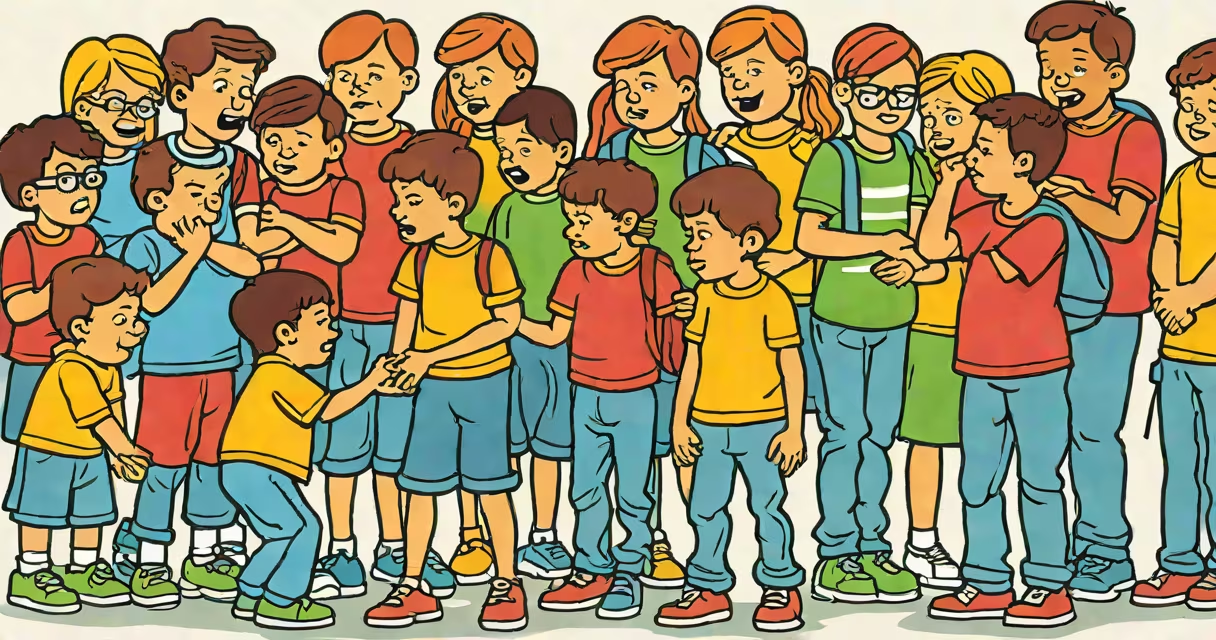
Bullying is repeated, intentional behavior that involves a power imbalance and causes harm to another person. It includes physical, verbal, social, and cyber forms, and persists over time rather than being a single incident.
The term "bullying" appears in major reference sources such as Merriam-Webster and Oxford Languages, both defining it as aggressive behavior directed repeatedly against someone perceived as vulnerable. The American Psychological Association (APA) emphasizes that bullying involves three core elements: intent to harm, repetition, and an imbalance of power. These criteria distinguish bullying from isolated conflicts or accidental harm.
For example, a student who repeatedly calls another classmate derogatory names during lunch, knowing it distresses them, fits the bullying definition. This differs from a one-time argument or a misunderstanding. The key markers are consistency, targeted intent, and unequal power-such as a larger student targeting a smaller one.
Bullying operates through patterns of dominance and control. The bully often seeks to assert superiority, gain attention, or reinforce social status. Victims may internalize shame or fear, leading to withdrawal, declining grades, or mental health struggles. Research from the National Center for Education Statistics (NCES) shows that about 20% of students aged 12-18 reported being bullied at school in 2021, with 15% reporting cyberbullying.
Power imbalances don't always involve size or strength. They can stem from social influence, popularity, or access to private information. A group of peers excluding someone from conversations, events, or messages online creates psychological pressure even without physical contact. This form-known as relational or social bullying-is common in middle and high schools.
Online environments amplify these patterns. Cyberbullying spreads quickly and leaves permanent records. A post mocking someone's appearance or spreading false rumors can reach hundreds within minutes. Unlike face-to-face incidents, victims cannot escape the environment easily. The anonymity of digital platforms often emboldens perpetrators.
Standard dictionaries classify bullying into four primary categories based on method and context:
| Type | Definition | Example |
|---|---|---|
| Physical | Use of force or threats to cause bodily harm | A student pushes another into a locker during hallway rush hour |
| Verbal | Insults, name-calling, or threats using speech | Calling a classmate "stupid" during a presentation |
| Social | Exclusion, gossip, or damaging reputations | Spreading rumors about a peer's personal life among friends |
| Cyber | Harassment via digital platforms like social media or messaging apps | Posting edited photos of someone to mock their appearance |
Each type can occur independently or overlap. For instance, a student might receive threatening texts (cyber), have their backpack stolen (physical), and be ignored in group projects (social) all in the same week. The cumulative effect increases psychological risk.
One non-obvious distinction: not all repeated negative actions qualify as bullying. A teacher reprimanding a student for disruptive behavior is not bullying-even if repeated-because the authority changing is legitimate and educational. Similarly, playful teasing among friends, even if harsh, doesn't meet the threshold unless it crosses into sustained harm or imbalance.
Many people confuse bullying with conflict or rivalry. Conflict arises from differing opinions or misunderstandings and can be resolved through dialogue. Bullying, however, involves persistent targeting and power asymmetry. A disagreement over game rules at recess is not bullying. But if one child consistently refuses to let another play and spreads lies about them, that is bullying.
Another misconception is that bullying only happens in schools. While school settings report high rates, workplace environments see significant cases too. The U.S. Equal Employment Opportunity Commission (EEOC) recognizes bullying as a form of hostile work environment under Title VII of the Civil Rights Act when it targets protected classes such as race, gender, or religion.
I once observed a situation in a middle school where a student was mocked for wearing glasses. The teasing escalated over three weeks-comments about vision, jokes about "seeing things," and exclusion from team activities. When reported, the school applied the bullying definition dictionary criteria: repetition, intent, and power imbalance. The intervention included counseling and classroom education on empathy and inclusion.
Using a standardized bullying definition dictionary ensures consistent identification and response. Without shared language, schools, parents, and institutions struggle to intervene effectively. The Centers for Disease Control and Prevention (CDC) notes that early recognition reduces long-term trauma and improves outcomes for victims.
When educators use precise terminology, they avoid mislabeling normal peer friction as bullying. This prevents overreaction while ensuring real cases aren't dismissed. For example, labeling every argument as "bullying" undermines credibility. Conversely, ignoring clear patterns of harassment erodes safety.
Understanding the difference between a fight and bullying helps determine whether disciplinary action should focus on behavior management or systemic intervention. A fight between two peers of equal size and status is addressed differently than a pattern of intimidation by a dominant individual.