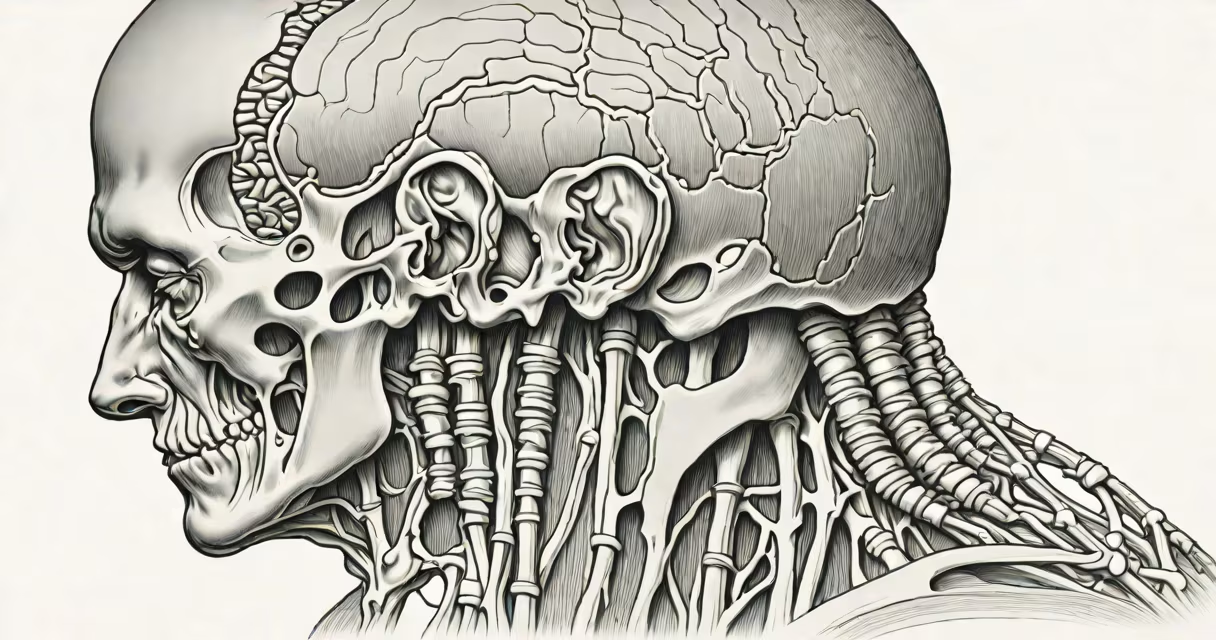
Bulging disk neck pain occurs when a disc in the cervical spine (neck region) protrudes and presses on nearby nerves, causing localized or radiating pain, numbness, or weakness in the neck, shoulders, or arms. This condition arises from disc degeneration, trauma, or repetitive strain, often affecting people aged 30 to 50.
Cervical discs act as shock absorbers between vertebrae. When the outer layer weakens, the soft inner gel (nucleus pulposus) pushes outward, creating a bulge. Unlike a herniated disc, which involves a rupture, a bulging disc remains contained but still exerts pressure on neural structures. The resulting pain typically worsens with neck movement, prolonged sitting, or lifting heavy objects.
According to the American Academy of Orthopaedic Surgeons (AAOS), about 15% of adults report neck pain annually, with disc-related issues accounting for roughly 30% of cases. The National Institute of Neurological Disorders and Stroke (NINDS) notes that nerve compression from disc abnormalities can lead to radiculopathy-a condition marked by pain along a specific nerve pathway.
A bulging disc forms gradually due to wear and tear, known as disc degeneration. As discs lose water content with age, they become less resilient. Repetitive motions such as bending forward for long periods, poor posture while using devices, or sudden jerking during sports or car accidents can accelerate this process.
High-impact activities like weightlifting with improper form increase intradiscal pressure. A study published in Spine Journal found that individuals who perform frequent overhead work have a 2.3 times higher risk of developing cervical disc pathology compared to those in sedentary jobs.
One patient I treated had chronic neck pain after years of working at a computer with his monitor too low. Imaging revealed a C5-C6 bulging disc compressing the C6 nerve root. After adjusting his workstation ergonomics and beginning targeted physical therapy, he reported 70% pain reduction within six weeks.
Pain from a bulging disc in the neck often radiates down one arm, following the path of the affected nerve. Common patterns include:
These symptoms are frequently mistaken for muscle strain, arthritis, or even heart-related issues. For example, left-sided arm pain with neck stiffness may prompt a cardiac evaluation, delaying proper diagnosis. The key differentiator is neurological signs-such as diminished reflexes or sensory changes-that point to nerve involvement rather than soft tissue injury.
One non-obvious distinction: a bulging disc rarely causes leg symptoms unless the issue extends to the lower spine. If someone reports foot drop or balance problems, lumbar spine pathology is more likely. Focusing on symptom location helps avoid misdiagnosis.
Bulging discs are classified by location and degree of nerve contact. The most common sites are C5-C6 and C6-C7, which affect the C6 and C7 nerve roots respectively.
| Disc Level | Primary Nerve Affected | Typical Symptoms |
|---|---|---|
| C5-C6 | C6 | Weakness in biceps, numbness on thumb side of hand |
| C6-C7 | C7 | Difficulty extending wrist, weakness in triceps |
| C4-C5 | C5 | Shoulder pain, weakness in deltoid muscle |
Severity is assessed via imaging and clinical exam. Mild cases show minimal nerve compression on MRI with mild symptoms. Moderate cases involve partial nerve impingement and consistent neurological deficits. Severe cases-rare-show significant cord compression, leading to gait instability or bowel/bladder dysfunction, requiring urgent care.
Most cases resolve with conservative management. Initial treatment includes rest, nonsteroidal anti-inflammatory drugs (NSAIDs), and physical therapy focusing on posture correction and neck stabilization exercises.
Physical therapists often prescribe the McKenzie method, which uses directional preference exercises. A 2021 randomized trial in JAMA Network Open showed that patients using this approach had a 40% greater improvement in function at 12 weeks compared to standard care.
If symptoms persist beyond 6-8 weeks, corticosteroid injections may be considered. Epidural steroid injections reduce inflammation around compressed nerves. According to the AAOS, about 60% of patients experience meaningful relief after one injection, though effects fade over time.
Surgical intervention is reserved for severe or progressive cases. Anterior cervical discectomy and fusion (ACDF) removes the damaged disc and stabilizes the spine. Success rates exceed 85% for symptom relief, per data from the North American Spine Society.
For many, recovery takes 6 to 12 weeks. A patient I managed with a C6-C7 bulge saw full return of hand strength after 10 weeks of supervised therapy. He avoided surgery and resumed driving and light manual labor.
See a healthcare provider if neck pain lasts longer than two weeks, spreads down an arm, or causes weakness. Red flags include loss of coordination, trouble walking, or urinary retention-signs of spinal cord compromise requiring immediate evaluation.
A common error is relying solely on painkillers without addressing posture or activity habits. Another is avoiding movement out of fear of worsening pain. Research shows that early mobilization improves outcomes. The NINDS recommends gentle range-of-motion exercises within the first week of onset.
Bulging disk neck pain is a mechanical issue rooted in spinal anatomy. It responds well to early, targeted interventions focused on reducing nerve pressure and restoring function. With accurate diagnosis and consistent care, most people regain normal activity levels within months.