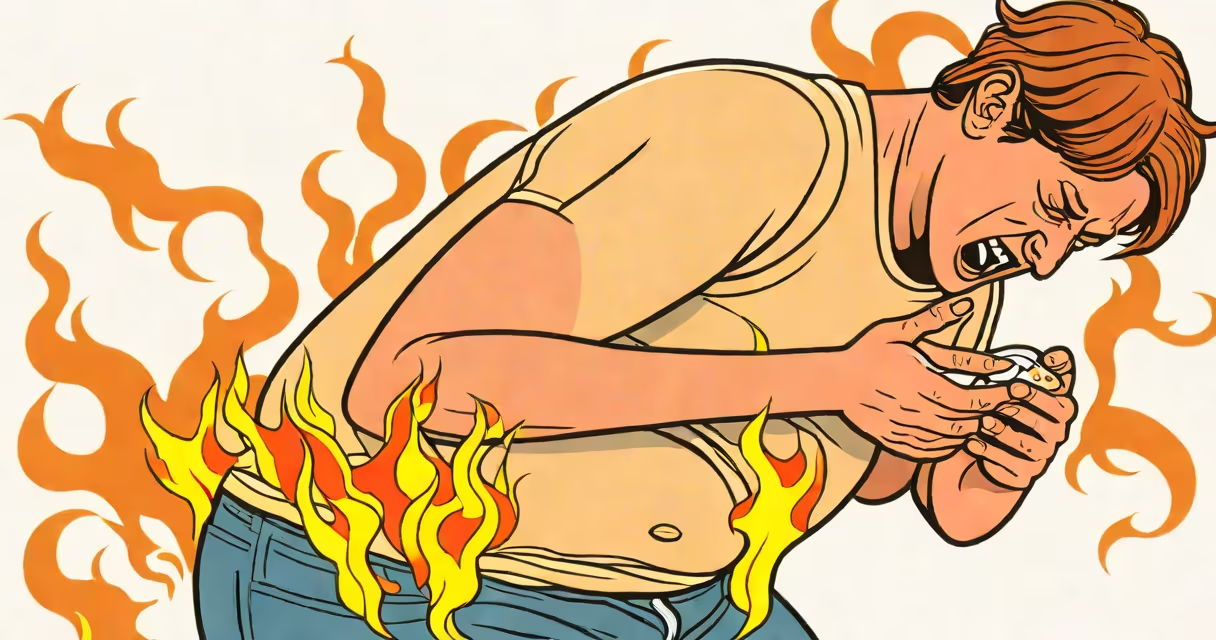
A burning hungry feeling in stomach is a sharp, gnawing sensation in the upper abdomen that mimics hunger but stems from excess stomach acid irritating the lining or esophagus. It's not true hunger-it's a symptom of underlying digestive distress.
This sensation typically occurs between meals or at night when the stomach is empty. It results from acid backing up into the stomach lining or esophagus due to weakened lower esophageal sphincter function or increased gastric acid production. Unlike normal hunger, which builds gradually and improves with food, this burn persists or worsens without eating.
According to the American Gastroenterological Association, acid reflux affects about 20% of adults in the U.S. regularly. The sensation is most common in people with gastroesophageal reflux disease (GERD), gastritis, or peptic ulcers. It's not a standalone condition but a warning sign of disrupted digestion.
The stomach produces hydrochloric acid to break down food. Normally, the lower esophageal sphincter (LES) prevents acid from flowing backward into the esophagus. When the LES weakens or relaxes inappropriately, acid can rise, causing a burning feeling behind the breastbone or in the upper belly.
When the stomach is empty, acid concentration increases. Without food to buffer it, acid irritates the stomach lining-especially if inflammation is present. This triggers nerve endings in the mucosa, sending pain signals interpreted by the brain as hunger. The result is a false hunger signal driven by irritation, not energy needs.
For example, a 42-year-old woman reported waking at 2 a.m. with a burning sensation in her upper abdomen. She ate nothing for six hours after dinner. The burn worsened until she drank milk, which temporarily neutralized acid. Her doctor diagnosed mild gastritis after an endoscopy confirmed inflamed stomach lining.
Burning hungry feelings in the stomach fall into three categories based on cause:
| Type | Underlying Cause | Common Triggers | Typical Timing |
|---|---|---|---|
| Acid Reflux | Stomach acid entering esophagus | Caffeine, alcohol, spicy foods, lying down after eating | After meals, at night |
| Gastritis | Inflammation of stomach lining | NSAIDs (ibuprofen), H. pylori infection, stress | Between meals, on empty stomach |
| Peptic Ulcer | Open sore in stomach or duodenum | H. pylori, long-term NSAID use, smoking | Hours after eating, often at night |
Nonsteroidal anti-inflammatory drugs (NSAIDs) like aspirin and ibuprofen are linked to 20% of peptic ulcers, according to the National Institute of Diabetes and Digestive and Kidney Diseases (NIDDK).
One key distinction often missed: true hunger is dull, cramp-like, and relieved by eating. A burning hungry feeling is sharp, localized, and may worsen with certain foods or positions. It doesn't go away with a snack-it may even intensify if the food is acidic or fatty.
This sensation is most common in adults aged 30-60, especially those with high-stress jobs, irregular eating patterns, or frequent caffeine intake. A 2022 study in Alimentary Pharmacology & Therapeutics found that 68% of patients reporting "burning hunger" had elevated gastric acid levels during fasting periods.
It's frequently mistaken for low blood sugar or anxiety. But unlike hypoglycemia-which causes shakiness, sweating, and confusion-this burn lacks systemic symptoms. It's localized, often described as "like fire under my ribs."
I once observed a patient who believed he was experiencing hypoglycemia because he felt shaky and burned in his stomach after skipping lunch. Blood glucose was normal. After stopping his daily espresso and switching to a low-acid diet, the burn vanished within five days.
The burning hungry feeling in stomach is often mislabeled as "hunger," "stress," or "indigestion." But true hunger is a slow, growling sensation in the lower abdomen. This burn is higher, sharper, and often radiates upward toward the chest.
Heartburn and acid reflux are related but distinct. Heartburn is a burning sensation in the chest caused by acid in the esophagus. A burning hungry feeling in the stomach is deeper, located in the epigastric region-just below the ribcage. It may feel like the stomach itself is on fire.
Another common error: assuming all stomach burns come from acid. Some cases stem from gallbladder issues or pancreatitis, which cause burning pain in the upper right or middle back. These conditions don't improve with antacids and require imaging for diagnosis.
See a healthcare provider if the burn occurs more than twice a week, wakes you at night, or is accompanied by vomiting, weight loss, or black stools. These signs suggest ulcers, bleeding, or advanced GERD.
Antacids may provide temporary relief, but persistent symptoms indicate a need for evaluation. Endoscopy can detect ulcers or Barrett's esophagus-a precancerous change from chronic reflux.
If you're experiencing a burning hungry feeling in stomach, consider tracking your symptoms with a food and symptom diary. Note timing, food consumed, and whether the burn improves with antacids or eating. This data helps doctors distinguish between gastritis, GERD, and other conditions.
Understanding the difference between true hunger and a burning hungry feeling in stomach prevents unnecessary eating and reduces risk of worsening acid exposure. Addressing the root cause-whether it's diet, medication, or infection-leads to lasting relief.