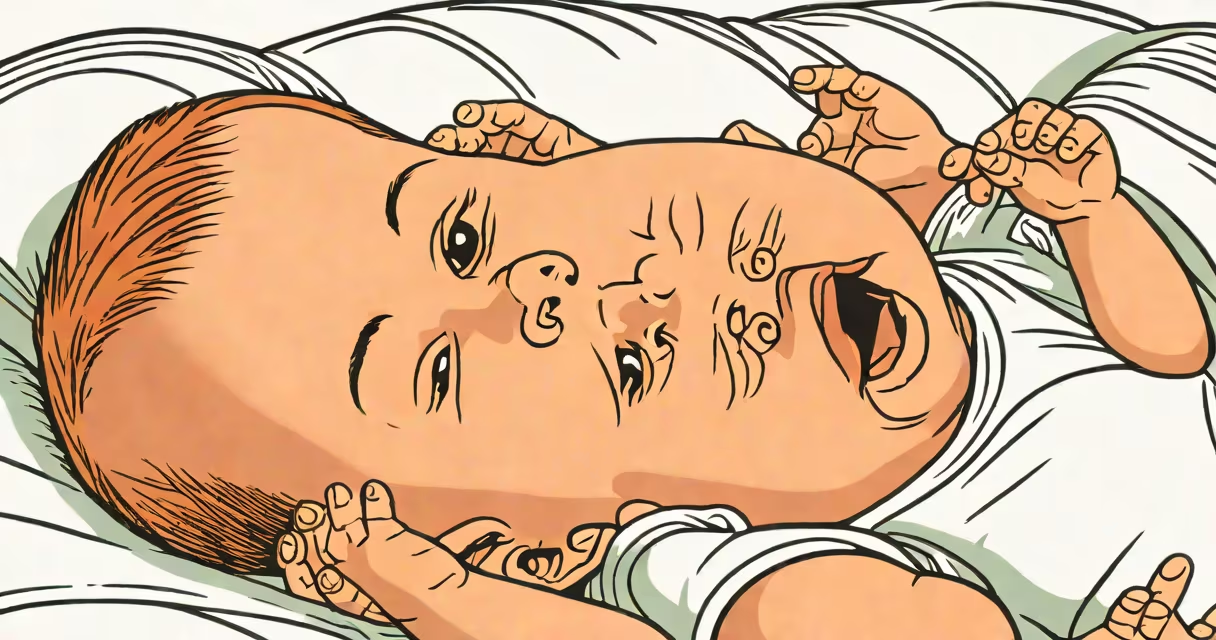
Burpy and gassy refers to the combination of frequent burping and abdominal bloating in infants, typically caused by swallowed air during feeding and gas produced during digestion. These symptoms often appear in the first few months of life and are common in both breastfed and formula-fed babies.
Infants frequently swallow air while feeding, especially during bottle-feeding or vigorous breastfeeding. This trapped air leads to burping, which may happen multiple times per feeding. Simultaneously, undigested lactose and immature gut bacteria produce gas in the intestines, causing bloating, fussiness, and discomfort. These issues usually resolve as the digestive system matures.
According to the American Academy of Pediatrics, up to 40% of infants experience excessive gas during their first three months. Most cases are benign and self-limiting. Persistent symptoms beyond four months may indicate a food intolerance or underlying condition requiring medical evaluation.
When a baby feeds, they draw milk through a sucking motion that pulls in air along with milk. The amount of air varies based on feeding position, flow rate, and the baby's sucking pattern. A slow-flow nipple reduces air intake compared to a fast-flow one. Formula-fed babies tend to swallow more air due to bottle design and feeding speed.
Once swallowed, air travels to the stomach. When pressure builds, the baby expels it through the mouth as a burp. This process happens naturally but can occur repeatedly during feeding. After feeding, leftover air moves into the small intestine, where it mixes with digestive fluids and gases from bacterial fermentation.
Gas forms primarily from two sources: swallowed air and bacterial breakdown of carbohydrates. Breast milk contains lactose, which some newborns struggle to digest fully. As bacteria in the colon ferment undigested lactose, they release hydrogen and methane gases. These gases accumulate in the intestines, leading to bloating and pain.
Not all gas-related behaviors are the same. Babies may show different combinations of symptoms depending on the cause.
| Symptom | Common Cause | Typical Timing |
|---|---|---|
| Frequent burping during feeding | Swallowed air during feeding | During or immediately after feeding |
| Bloating or distended abdomen | Gas buildup in intestines | After feeding, sometimes hours later |
| Leg pulling, crying, arching back | Abdominal pain from gas pressure | Evening hours, peak between 6-9 PM |
| Passing gas with loud sounds | Intestinal gas movement | Any time, often after feeding |
Some babies exhibit a consistent pattern: they cry intensely after feeding, pull legs toward chest, and pass gas with audible noise. This sequence often repeats daily, particularly in the late afternoon or evening. Parents may misinterpret this as hunger, but it's usually discomfort from gas rather than lack of food.
A key distinction is that burping is a normal physiological response, not a sign of illness. However, excessive burping combined with visible distress may signal overfeeding or improper latch during breastfeeding.
Many caregivers assume that certain foods in the mother's diet directly cause gas in exclusively breastfed babies. While maternal diet can influence milk composition, research shows that only about 10% of breastfed infants react to specific foods. Common culprits like broccoli, cabbage, or dairy are rarely the root cause of persistent gas.
Formula-fed babies are more likely to experience gas due to differences in protein structure and processing. Cow's milk-based formulas contain proteins that some infants cannot fully digest. Switching to hydrolyzed or extensively hydrolyzed formulas may reduce gas in sensitive infants, but this should be done under pediatric guidance.
A common mistake is treating all gas as colic. Colic is defined as crying for more than three hours a day, three days a week, for three weeks. Gas contributes to colic-like behavior, but not all fussy babies have gas. Using gas drops or herbal remedies without addressing feeding technique may delay proper diagnosis.
One non-obvious fact: gas production peaks around 6-8 weeks of age, then gradually declines. This timing aligns with the development of gut microbiota. By 3-4 months, many babies begin passing gas more regularly and with less discomfort, even if they still burp frequently.
Effective management focuses on reducing air intake during feeding and supporting digestion.
I once observed a 6-week-old who cried for 45 minutes after every feed. After adjusting the bottle angle and adding mid-feed pauses, the baby began burping within 3 minutes and stopped crying after 10 minutes. The parent reported a 70% reduction in distress within two days.
Over-the-counter remedies like simethicone drops are widely used but have limited evidence. A 2021 Cochrane review found no significant difference in gas reduction between simethicone and placebo. Still, many parents report subjective improvement, possibly due to reduced anxiety.
Consult a pediatrician if gas symptoms persist beyond 4 months, are accompanied by poor weight gain, blood in stool, or frequent vomiting. These may indicate lactose intolerance, cow's milk protein allergy, or gastroesophageal reflux disease (GERD).
Some conditions mimic gas-related distress. For example, pyloric stenosis causes projectile vomiting and is diagnosed via ultrasound. Failure to thrive with chronic gas may suggest a metabolic disorder. Early evaluation prevents complications.
For parents concerned about dietary triggers, consider tracking feeding times, burping frequency, and symptom patterns. This log helps doctors distinguish between normal gas and potential sensitivities.
Understanding burpy and gassy behavior helps reduce parental anxiety. Recognizing that most cases are temporary and manageable improves outcomes. Simple changes in feeding technique often bring noticeable relief.