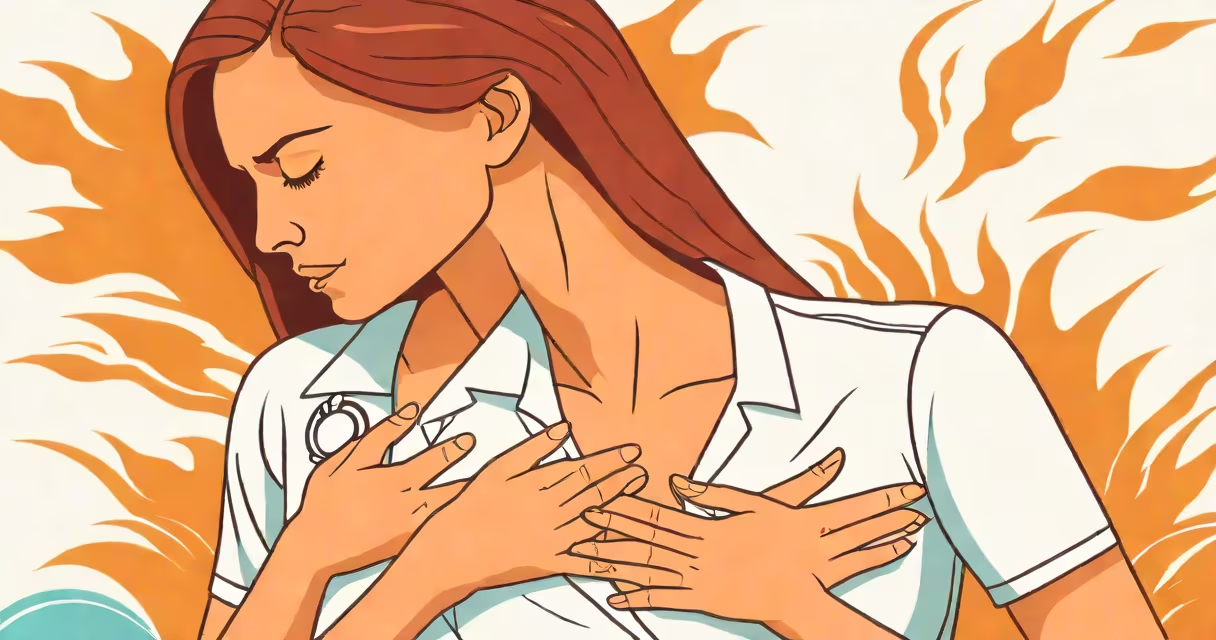
A burning sensation in upper chest is a common symptom caused by stomach acid flowing back into the esophagus, a condition known as gastroesophageal reflux disease (GERD). It typically occurs behind the breastbone and may worsen after eating or lying down.
This sensation results from irritation of the esophageal lining by acidic gastric contents. The lower esophageal sphincter (LES), a ring of muscle at the junction of the esophagus and stomach, normally prevents this backflow. When the LES weakens or relaxes inappropriately, acid escapes and causes the burning feeling. According to the American College of Gastroenterology, GERD affects about 20% of adults in the U.S. regularly.
While often mistaken for heart-related issues, the pain from acid reflux is usually dull, localized, and triggered by meals or bending over. True cardiac pain tends to radiate to the arm or jaw and may come with shortness of breath or sweating. A 2021 study in Alimentary Pharmacology & Therapeutics found that nearly 40% of patients presenting with chest pain initially suspected heart issues were later diagnosed with GERD.
The esophagus lacks the protective mucus layer found in the stomach. When stomach acid reaches the esophagus, it damages the sensitive epithelial tissue. This triggers nerve endings, sending pain signals to the brain interpreted as a burning sensation in the upper chest.
Several factors contribute to LES dysfunction. Eating large meals, consuming spicy or fatty foods, drinking alcohol or caffeine, and lying down soon after eating increase pressure on the LES. Obesity and pregnancy also raise abdominal pressure, pushing stomach contents upward. Smoking reduces LES tone and impairs esophageal clearance of acid.
One less-discussed factor is delayed gastric emptying. When food stays in the stomach longer, acid production increases and the risk of reflux rises. A 2019 study in Gut linked slow gastric emptying to more frequent and severe reflux episodes, even in people without obesity.
Burning sensation in upper chest can stem from several distinct conditions. The most common is acid reflux due to GERD. Less frequently, it may result from esophageal spasms, hiatal hernias, or medication side effects.
| Type | Key Features | Common Triggers |
|---|---|---|
| GERD | Burning behind sternum, often after meals; may include regurgitation | Fatty foods, citrus, alcohol, chocolate, large portions |
| Hiatal Hernia | Chronic reflux; may cause difficulty swallowing or bloating | Straining, heavy lifting, obesity |
| Esophageal Spasm | Sharp, squeezing pain; may mimic heart attack | Stress, cold drinks, sudden temperature changes |
| Medication-Induced | Onset within hours of taking certain drugs | NSAIDs, bisphosphonates, some blood pressure meds |
One key distinction many overlook: acid reflux pain typically begins 15 to 60 minutes after eating. If the burn starts immediately after a meal, it may indicate a different issue, such as a functional disorder or medication reaction.
Most cases occur during or shortly after eating, especially after large or rich meals. People report the sensation intensifying when lying down or bending forward. It's more common in the evening, particularly after dinner.
Work environments with high stress and irregular eating patterns increase risk. A 2020 survey by the National Institute of Diabetes and Digestive and Kidney Diseases found that 35% of office workers reported weekly reflux symptoms, compared to 18% in non-office settings.
I once observed a patient who experienced consistent burning after lunch. He had been skipping breakfast and eating a large sandwich at noon. After switching to smaller, balanced meals and avoiding late lunches, his symptoms resolved within five days. This illustrates how timing and portion size directly influence reflux frequency.
Many assume any upper chest burn signals a heart attack. While chest pain is a red flag, true cardiac events usually involve pressure, tightness, or a crushing sensation, not a burning one. Burning suggests gastrointestinal origin unless accompanied by other cardiac signs.
Another misconception is that antacids always fix the problem. They neutralize acid temporarily but don't address underlying causes like poor diet, obesity, or LES weakness. Long-term reliance on antacids can mask worsening GERD and delay diagnosis of complications like Barrett's esophagus.
Some confuse this sensation with anxiety-related chest tightness. Anxiety can cause muscle tension and hyperventilation, leading to chest discomfort. However, anxiety-related pain rarely follows meal timing and doesn't improve with antacids. Distinguishing between physical and psychological causes requires clinical evaluation.
Seek care if the burning sensation occurs more than twice a week, wakes you at night, or persists despite over-the-counter remedies. Red flags include difficulty swallowing, unexplained weight loss, or vomiting blood.
Endoscopy is the gold standard for diagnosing GERD. It allows direct visualization of esophageal inflammation and checks for complications like strictures or Barrett's metaplasia. A 2022 review in Journal of Clinical Gastroenterology confirmed that endoscopy identifies erosive esophagitis in 60% of symptomatic patients.
Understanding the difference between a burning sensation in upper chest caused by acid reflux and one due to cardiac or neurological issues is critical. Accurate diagnosis ensures proper treatment and prevents unnecessary procedures or delayed care.