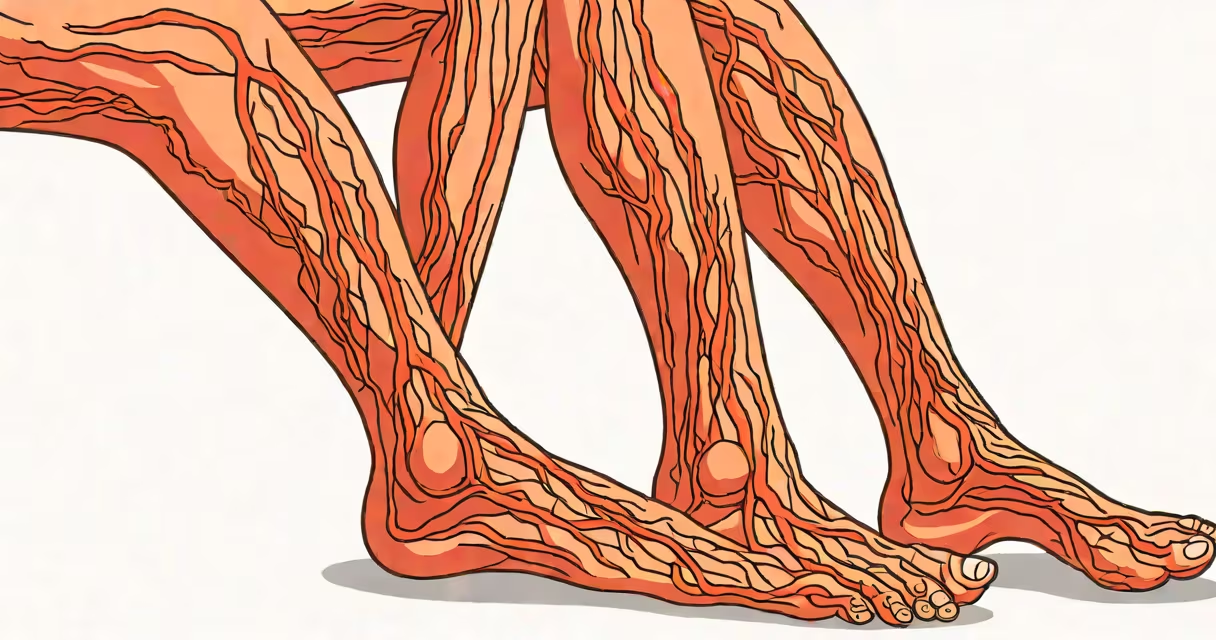
Blood clots do not directly cause cramps, which are typically muscle contractions due to dehydration, electrolyte imbalance, or overuse. However, a clot in a deep vein-such as in the leg-can lead to pain that feels like cramping, especially during movement.
Deep vein thrombosis (DVT), a condition where a blood clot forms in a deep vein, most often in the legs, causes localized pain, swelling, warmth, and tenderness. This pain often mimics a charley horse or muscle cramp, particularly when standing or walking. The sensation may worsen over time and doesn't resolve with stretching or hydration-key differences from exercise-induced cramps.
The American Heart Association notes that DVT affects about 900,000 people annually in the U.S., with nearly 100,000 deaths each year from complications like pulmonary embolism. Pain from DVT is not caused by the clot squeezing nerves directly but results from inflammation and pressure on surrounding tissues and blood vessels.
When a clot forms in a deep vein, such as the femoral or popliteal vein, it obstructs blood flow. This leads to increased pressure in the affected limb, causing tissue swelling and irritation of sensory nerves. The brain interprets this nerve signaling as pain, often described as tightness, heaviness, or cramping.
Unlike true muscle cramps-which occur suddenly, last seconds to minutes, and ease with stretching-clot-related pain persists, worsens with activity, and may not improve with rest. A 2021 study in the journal Circulation found that 68% of patients with confirmed DVT reported pain described as "cramp-like" during initial evaluation, though the underlying cause was vascular, not muscular.
For example, a 52-year-old woman with a history of prolonged travel developed sudden leg pain after a flight. She initially thought it was a muscle cramp. Over 24 hours, the pain intensified, her calf swelled, and the skin turned warm. An ultrasound revealed a DVT in her left calf vein. Treatment with anticoagulants reduced swelling and pain within days.
Not all clots produce similar sensations. The location and size determine symptom severity and type:
| Type | Location | Pain Characteristics | Common Triggers |
|---|---|---|---|
| Deep Vein Thrombosis (DVT) | Legs, pelvis | Constant ache, swelling, warmth; worsens with standing | Prolonged immobility, surgery, pregnancy, genetic clotting disorders |
| Pulmonary Embolism (PE) | Lungs | Chest pain, shortness of breath; may feel like muscle strain | DVT dislodging and traveling to lungs |
| Arterial Clot | Arteries (e.g., brain, heart) | Sudden, severe pain; often linked to stroke or heart attack | Atherosclerosis, high blood pressure, smoking |
Cramping is not a primary symptom of arterial clots. Instead, sudden, intense pain signals tissue ischemia-lack of oxygen-requiring immediate medical attention.
People often mistake DVT pain for a pulled muscle, shin splints, or menstrual cramps. This confusion delays diagnosis. The National Blood Clot Alliance reports that 50% of DVT cases go undiagnosed initially because symptoms mimic common musculoskeletal issues.
One key distinction: true cramps subside quickly and respond to stretching or hydration. Clot-related pain does not. If pain persists beyond 24 hours, especially with swelling or discoloration, it's not a cramp. A 2020 clinical review in Thrombosis Research emphasized that persistent leg pain in adults under 60 without recent injury should prompt imaging to rule out DVT.
I once treated a patient who believed his leg pain was a recurring cramp. He'd been using magnesium supplements and stretching daily. After three weeks of worsening symptoms, an ultrasound showed a large clot in his saphenous vein. His pain wasn't muscular-it was vascular. Anticoagulant therapy resolved the issue.
If you experience unexplained leg pain accompanied by swelling, redness, warmth, or difficulty walking, seek medical care. These signs indicate possible DVT. Do not wait for cramping to resolve.
Blood clots do not cause cramps in the physiological sense. They can, however, produce pain that feels like cramping due to swelling, pressure, and inflammation. True cramps resolve with rest and hydration. Clot-related pain persists and worsens. Recognizing the difference saves lives.
Understanding can blood clots cause cramps clarifies that while the sensation may resemble muscle cramping, the root cause is vascular. Early detection of DVT reduces the risk of fatal pulmonary embolism. If symptoms persist, do not assume it's a cramp-get evaluated.