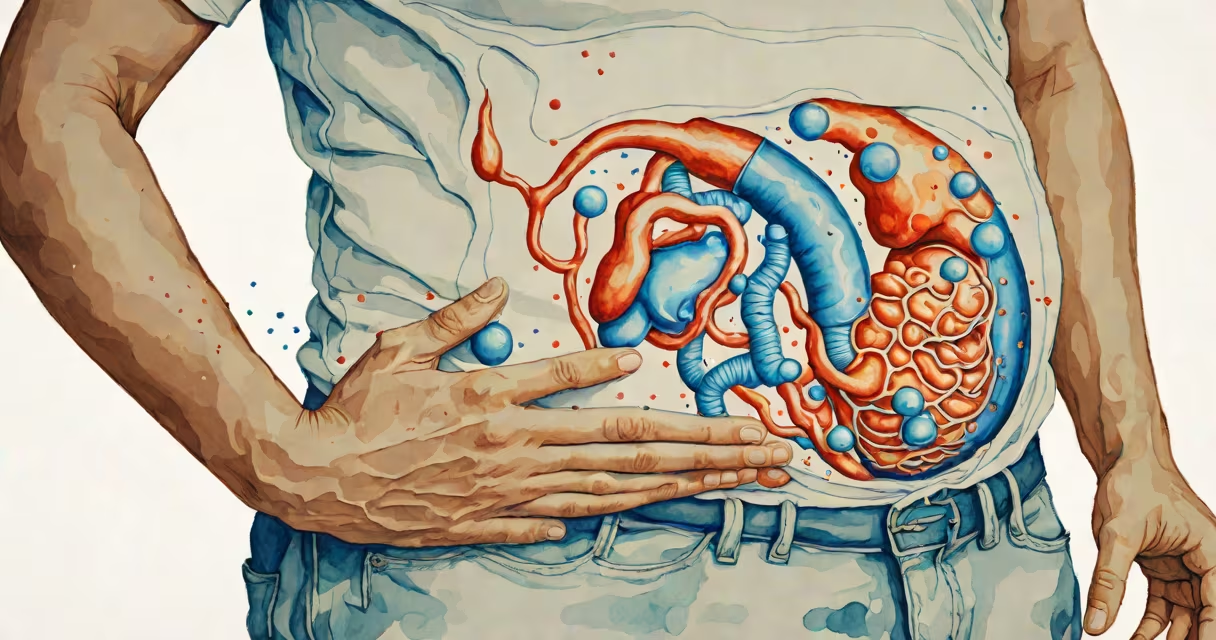
Yes, gas can cause extreme abdominal pain when it accumulates in the digestive tract, leading to intense cramping, bloating, and pressure. This pain often feels sharp, localized, or wave-like, especially in the lower abdomen. The sensation arises from distension of the intestinal walls and nerve stimulation triggered by trapped gas.
Intestinal gas forms during digestion and from swallowed air. When gas builds up faster than it can exit via burping or flatulence, pressure increases inside the bowel. Nerves in the gut wall detect this stretching and send pain signals to the brain. In sensitive individuals, even small amounts of gas can trigger significant discomfort.
Conditions like irritable bowel syndrome (IBS), small intestinal bacterial overgrowth (SIBO), and food intolerances (lactose, fructose, FODMAPs) worsen gas-related pain. A 2021 study in Gastroenterology found that patients with IBS report pain severity correlated with gas volume measured via breath tests, confirming that gas isn't just a symptom-it's a direct contributor to pain.
Gas pain results from mechanical stress on the intestinal lining. As gas expands, it stretches the bowel wall. This stretch activates nociceptors-pain-sensing nerves in the gut-sending distress signals to the central nervous system. The brain interprets these signals as cramping or stabbing pain.
Some gas pockets form in areas with poor motility, such as the sigmoid colon. When movement slows, gas gets trapped and builds pressure. This explains why pain often occurs after meals or during periods of inactivity. The sensation may shift location as gas moves through the intestines, mimicking other conditions like appendicitis or kidney stones.
A 2019 clinical review in The American Journal of Gastroenterology noted that visceral hypersensitivity-a heightened response to normal stimuli-amplifies pain perception in people with functional gastrointestinal disorders. This means the same amount of gas can feel unbearable in someone with IBS compared to a healthy individual.
Pain from gas varies by location, timing, and associated symptoms. Recognizing patterns helps distinguish gas pain from other medical issues.
| Pain Type | Location | Timing | Common Triggers |
|---|---|---|---|
| Cramping | Lower abdomen, around the navel | After eating, during digestion | High-fiber foods, carbonated drinks, lactose intolerance |
| Sharp, localized | Left or right lower quadrant | Intermittent, may come and go | Trapped gas in sigmoid colon, constipation |
| Bloating with pressure | Upper and lower abdomen | Worsens throughout the day | Swallowed air, high-FODMAP diets |
For example, a patient with lactose intolerance may eat a bowl of ice cream and develop severe cramping within 30 minutes. The pain begins in the lower abdomen and radiates around the belly. Flatulence relieves pressure temporarily, but the cycle repeats until the lactose is fully broken down by colonic bacteria.
Gas pain can mimic serious conditions. Sharp, persistent pain in the lower right abdomen may resemble appendicitis. Sudden onset of pain after a meal could suggest gallstones. However, gas pain typically improves with passing gas or a bowel movement.
Red flags include fever, blood in stool, unexplained weight loss, or pain that wakes you at night. These warrant immediate evaluation. A 2020 study in BMJ Open found that 15% of patients presenting with acute abdominal pain initially suspected of having appendicitis were later diagnosed with gas-related obstruction due to fecal impaction.
I've seen a case where a man reported excruciating left-sided pain after dinner. He'd eaten beans and drank soda. After two hours, he passed gas and the pain vanished. His history of IBS and sensitivity to FODMAPs explained the episode. This illustrates how gas pain can be severe yet benign when properly understood.
Gas pain differs from pain caused by inflammation, infection, or structural issues. It usually lacks systemic signs like fever or chills. Pain from gas tends to move with gas movement and responds to changes in posture or flatulence.
For instance, lying on your side may relieve pressure from gas trapped in the descending colon. Standing or walking can help shift gas through the intestines. Contrast this with pancreatitis, which causes constant, deep-seated pain that doesn't improve with position changes.
Another key difference: gas pain rarely causes muscle rigidity or rebound tenderness-signs of peritoneal irritation. If the abdomen is tender to touch or rigid, infection or perforation is more likely. Always rule out surgical emergencies when pain is severe and sudden.
Simple interventions reduce gas pain. Over-the-counter simethicone (e.g., Gas-X) breaks up gas bubbles, reducing surface tension and allowing easier passage. A 2018 double-blind trial in Alimentary Pharmacology & Therapeutics showed simethicone reduced bloating and pain in 68% of participants with functional dyspepsia.
Dietary adjustments are more effective long-term. Eliminating high-FODMAP foods-like onions, garlic, wheat, and legumes-reduces fermentable substrates that feed gut bacteria. A 2022 randomized controlled trial published in Journal of Clinical Gastroenterology found that a low-FODMAP diet reduced gas-related pain by 73% in IBS patients over eight weeks.
Exercise also helps. Walking after meals stimulates intestinal motility, preventing gas buildup. I've observed patients with chronic gas pain report significant improvement after adding 15-minute walks post-dinner. Movement aids gas transit and reduces stagnation.
If pain persists despite lifestyle changes, consult a gastroenterologist. Tests like hydrogen breath testing can confirm SIBO or carbohydrate malabsorption. Endoscopy may be needed if structural issues are suspected.
Recognizing that gas can cause extreme abdominal pain is the first step toward relief. With targeted dietary changes, movement, and over-the-counter remedies, most cases resolve quickly. Persistent or worsening pain requires medical assessment to rule out underlying conditions.