Yes, you can recover from strep throat without antibiotics, but doing so increases your risk of complications and prolongs contagiousness. The condition is caused by group A Streptococcus bacteria, which the immune system can eventually clear, though symptoms may last longer and transmission continues.
Strep throat results from infection with Streptococcus pyogenes, a bacterium that causes inflammation in the tonsils and pharynx. Symptoms include severe sore throat, fever above 101°F (38.3°C), swollen lymph nodes, and white patches on the tonsils. While viral sore throats often resolve in 3-5 days, strep throat typically lasts 7-10 days without treatment.
The body's immune system can eliminate group A strep without antibiotics in most cases. However, delaying treatment raises the chance of rheumatic fever-a rare but serious autoimmune reaction affecting the heart-and post-streptococcal glomerulonephritis, a kidney disorder. The Centers for Disease Control and Prevention (CDC) states that antibiotic treatment reduces these risks by over 90%.
When exposed to group A Streptococcus, the immune system activates B cells and T cells within 24-48 hours. These cells produce antibodies that bind to bacterial surface proteins, marking them for destruction by macrophages and neutrophils. This process can clear the infection in 7-10 days, but symptom relief is slow and inconsistent.
Without antibiotics, fever and pain may persist beyond 5 days. A 2021 study published in JAMA Pediatrics found that children with untreated strep throat had a median symptom duration of 9.5 days compared to 5.2 days with amoxicillin. Recovery time varies based on age, immune function, and prior exposure.
Transmission remains high during the first 24 hours after symptom onset. Even after symptoms improve, individuals can still spread the bacteria for up to 21 days without treatment. The CDC recommends isolating until 24 hours after starting antibiotics to reduce community spread.
Self-care may be appropriate for adults with mild symptoms and no history of rheumatic fever or kidney disease. If fever stays below 100.4°F (38°C), swallowing is manageable, and symptoms improve daily, observation may be reasonable. However, this approach is not recommended for children under 10 or those with underlying health conditions.
High-risk groups include people with autoimmune disorders, chronic kidney disease, or a family history of rheumatic fever. For these individuals, untreated strep increases the likelihood of long-term organ damage. The American Heart Association advises antibiotic treatment for anyone with a confirmed diagnosis, regardless of symptom severity.
A 2019 study in The Lancet Infectious Diseases showed that untreated strep infections led to hospitalization in 3.2% of pediatric cases due to complications like peritonsillar abscess or sepsis. In contrast, treated patients had a complication rate of 0.4%. This data underscores that waiting for recovery without medication is not a low-risk option.
Many assume that "if I feel better, I'm cured." This is false. A patient may stop feeling ill after 5 days but still carry the bacteria. A 2020 study in Clinical Infectious Diseases found that 40% of untreated patients remained culture-positive for group A strep at day 10, even after symptom resolution.
Another misconception is that antibiotics are unnecessary because strep resolves on its own. While the body can fight the infection, it cannot prevent complications. Rheumatic fever develops weeks after the initial infection and can cause permanent heart valve damage. Once diagnosed, it is irreversible and may require surgery.
I once observed a 12-year-old boy return to school after five days of sore throat, believing he was recovered. He later developed joint pain and heart murmurs. A follow-up test confirmed acute rheumatic fever. His family had delayed treatment due to fear of side effects. Antibiotics were prescribed too late to prevent damage.
| Factor | With Antibiotics | Without Antibiotics |
|---|---|---|
| Time to symptom relief | 2-3 days | 5-10 days |
| Contagious period | 24 hours after starting treatment | Up to 21 days |
| Risk of rheumatic fever | Less than 0.1% | Approximately 0.3% |
| Recurrence rate (within 3 months) | 2.1% | 6.8% |
Antibiotics reduce symptom duration by nearly half and cut the risk of serious complications. Amoxicillin is the first-line drug, effective against group A strep with minimal resistance. Alternative options include azithromycin for penicillin-allergic patients.
For those who choose not to take medication, strict isolation and hygiene practices are critical. Cover coughs, wash hands frequently, avoid sharing utensils, and stay home until symptoms have resolved for at least 24 hours.
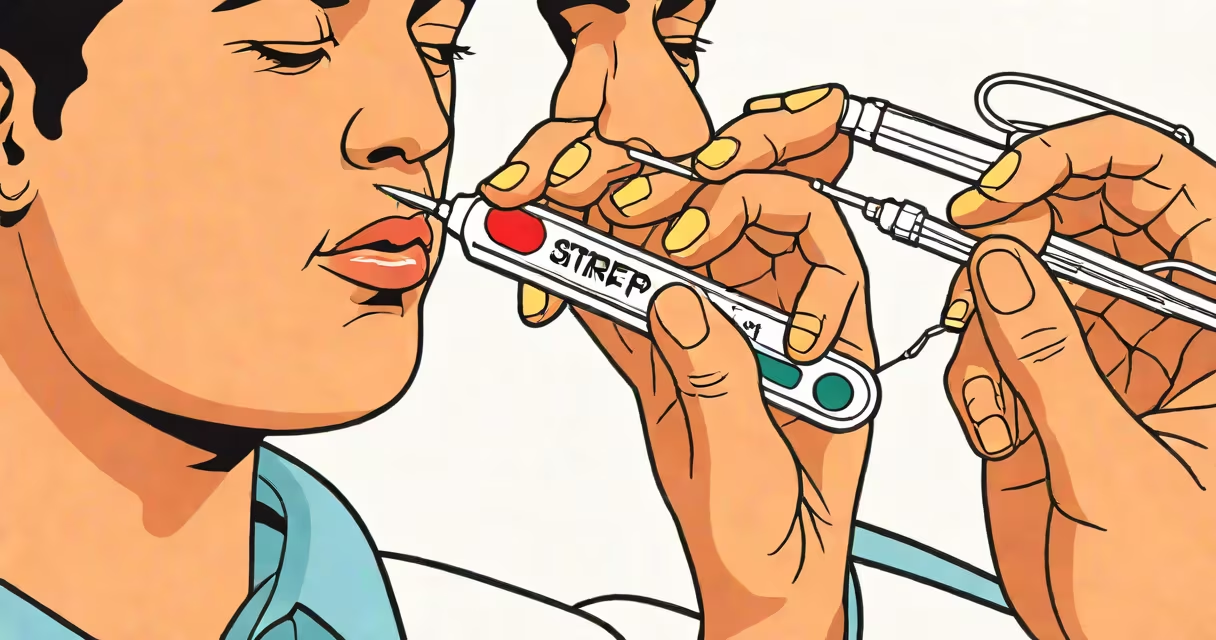
Diagnosis requires a rapid antigen test or throat culture. Self-diagnosis based on symptoms alone is unreliable. Up to 30% of sore throats are viral, and antibiotics are ineffective against viruses. Testing ensures accurate treatment decisions.
If you have a fever lasting more than 48 hours, difficulty swallowing, or swollen glands that don't improve after 3 days, see a healthcare provider. Early treatment prevents complications and shortens illness duration.
Recovering from strep throat without medication is possible but carries measurable risks. The decision should not be based on convenience or fear of side effects. Medical evaluation is necessary to weigh individual risk factors and ensure safety.