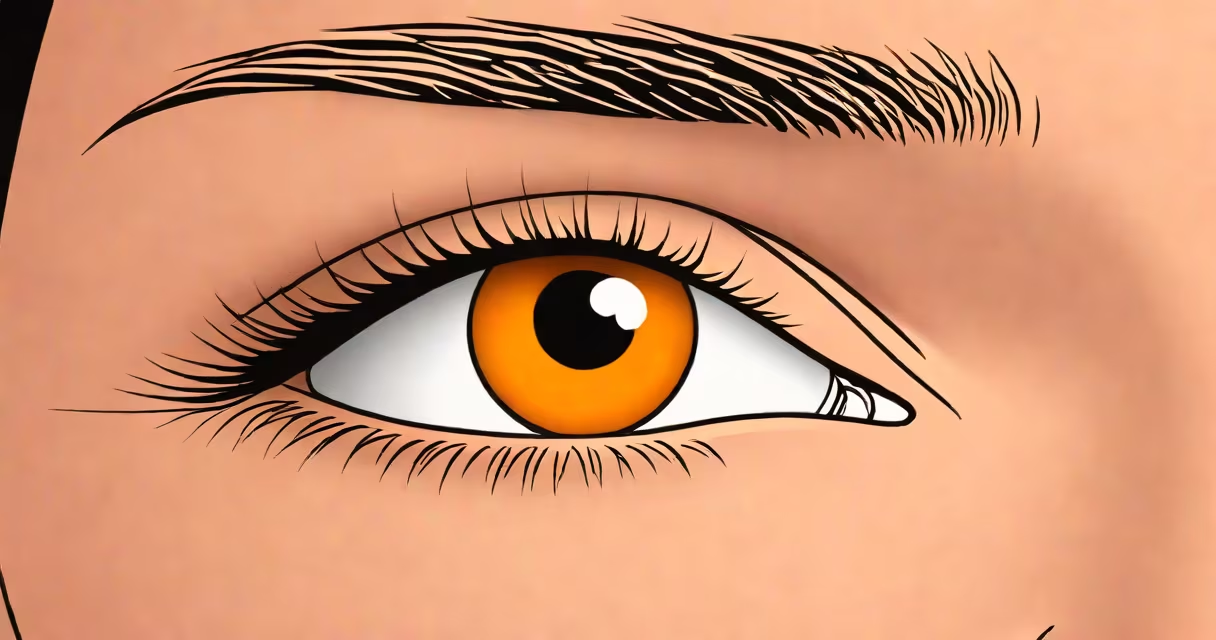
Upper eyelid swelling occurs when fluid accumulates in the tissues around the eye, causing puffiness, redness, or discomfort. It may result from allergies, infection, trauma, or systemic health issues.
Swelling typically affects one or both eyelids and can appear suddenly or develop over hours. The condition is common but varies widely in origin. Identifying the root cause determines whether treatment is needed or if symptoms resolve on their own.
Swelling results from fluid buildup in the loose connective tissue beneath the skin of the eyelid. This area contains many small blood vessels and lymphatic channels. When these systems respond to irritants or injury, they leak fluid into surrounding tissues, leading to puffiness.
Triggers activate immune cells such as mast cells, which release histamine. Histamine increases blood vessel permeability, allowing fluid to escape into nearby spaces. This process underlies allergic reactions and inflammatory responses.
For example, exposure to pollen or pet dander can cause rapid onset of swelling within minutes. In contrast, bacterial infections like blepharitis may cause gradual swelling over several days, often accompanied by crusting or discharge.
Several categories explain most cases of upper eyelid swelling. The table below outlines key types, typical triggers, and distinguishing features.
| Type | Typical Triggers | Onset | Distinguishing Features |
|---|---|---|---|
| Allergic reaction | Pollen, dust mites, cosmetics, medications | Minutes to hours | Itchy, watery eyes; bilateral swelling; often seasonal |
| Bacterial infection (blepharitis) | Staphylococcus bacteria | Hours to days | Crusty eyelashes; redness along lash line; may have pus |
| Viral infection (herpes zoster ophthalmicus) | Varicella-zoster virus | Days | Severe pain; rash on forehead; possible vision risk |
| Chalazion | Blocked meibomian gland | Days to weeks | Painless lump; slow development; may resolve without treatment |
| Systemic illness | Thyroid disease, kidney failure, heart failure | Gradual, persistent | Swelling often symmetric; may affect other body parts |
One non-obvious distinction: swelling from a chalazion usually lacks redness or pain, unlike styes, which are painful and inflamed. Misidentifying them leads to unnecessary antibiotic use.
Many assume upper eyelid swelling is always due to allergies. But persistent or asymmetric swelling suggests another issue. For example, unilateral swelling with numbness or facial droop requires immediate evaluation for stroke or nerve compression.
Periorbital cellulitis-a serious infection behind the eyelid-can mimic allergy but progresses rapidly. Symptoms include fever, inability to move the eye, and worsening pain. Left untreated, it can spread to the brain. The American Academy of Ophthalmology notes that delayed diagnosis increases risk of vision loss or meningitis.
I once treated a patient with a swollen right upper eyelid and a headache. Initial diagnosis was allergic conjunctivitis. After four days of antihistamines with no improvement, imaging revealed orbital abscess. Surgery was required. This case highlights why timing matters: if swelling lasts longer than 48 hours or worsens, see a specialist.
Some disorders resemble eyelid swelling but differ in mechanism. For instance, Graves' disease causes thyroid eye disease, which leads to bulging eyes and lid retraction-not swelling. Patients may report "swollen" eyes when the real issue is proptosis (eye protrusion).
Also, chronic swelling from kidney disease often presents with pitting edema-pressing the skin leaves a dent. This feature is absent in allergic or infectious causes. Checking for pitting helps differentiate systemic from localized causes.
See a doctor if swelling persists beyond 48 hours, spreads to the other eye, or includes fever, vision changes, or severe pain. Swelling that interferes with blinking or causes light sensitivity warrants urgent attention.
For mild cases, cold compresses and antihistamines may help. But if symptoms return frequently, consider allergy testing or referral to an ophthalmologist or allergist.
Understanding the cause of upper eyelid swelling prevents misdiagnosis and ensures timely treatment. Whether due to environmental triggers or underlying disease, early recognition improves outcomes.
Recognizing the cause of upper eyelid swelling is essential for effective management. Accurate identification guides appropriate care, from simple home remedies to urgent medical intervention.