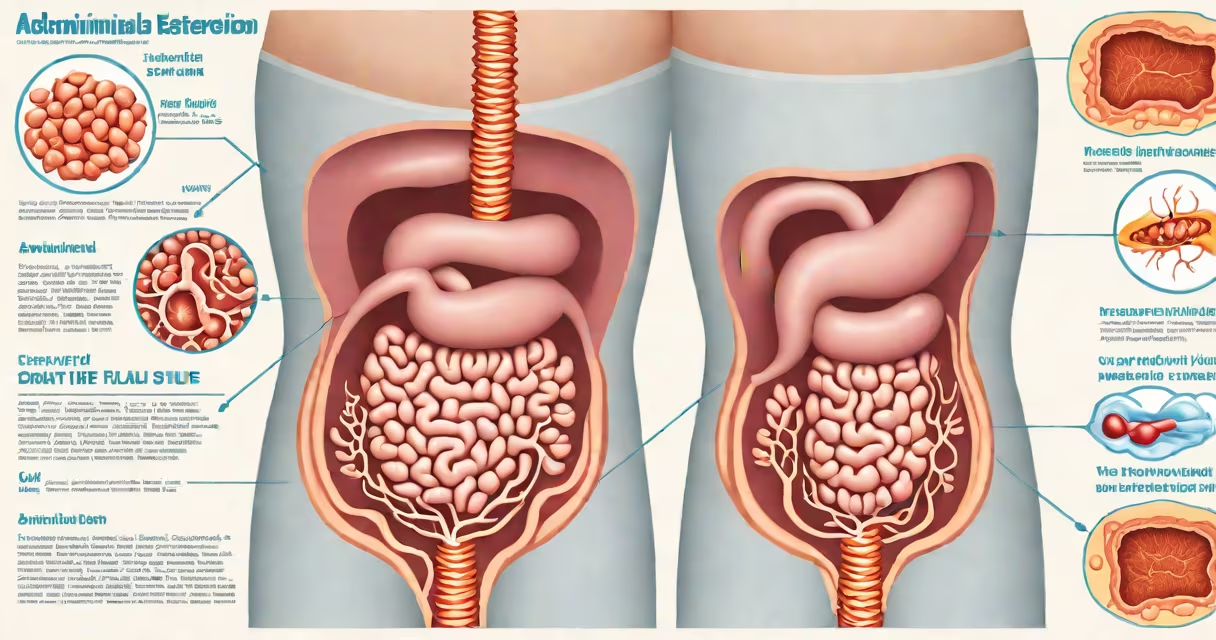
Abdominal fluid retention, medically known as ascites, is the abnormal buildup of fluid in the space between the abdominal organs and the abdominal wall. It typically results from underlying conditions affecting the liver, heart, kidneys, or digestive system.
Ascites develops when pressure in blood vessels increases or when proteins in the blood drop too low, forcing fluid out of capillaries and into the abdominal cavity. The most common cause is cirrhosis of the liver, which accounts for about 80% of cases, according to the American Liver Foundation. Other contributors include heart failure, kidney disease, and certain cancers.
Fluid retention in the abdomen may start subtly-swelling in the lower abdomen, tight-fitting clothes, or unexplained weight gain-but can progress to significant bloating, discomfort, and breathing difficulties. Early detection improves outcomes, especially when the root cause is treatable.
Fluid enters the abdominal cavity through tiny pores in the lining of the abdominal organs and the peritoneum-the thin membrane that covers the inside of the belly. Normally, this fluid is reabsorbed quickly. When the balance breaks down, fluid pools.
Two primary mechanisms drive this imbalance: increased hydrostatic pressure and decreased oncotic pressure. Increased pressure happens when blood flow through the liver is blocked, such as in advanced liver disease. Decreased oncotic pressure occurs when the liver fails to produce enough albumin, a protein that keeps fluid in blood vessels.
A third mechanism involves lymphatic system overload. The peritoneum normally drains excess fluid via lymphatic channels. But when fluid production exceeds drainage capacity-common in severe cirrhosis-fluid accumulates faster than it can be removed.
Ascites is classified by cause. The most accurate classification uses the serum-ascites albumin gradient (SAAG), a blood test that measures the difference in albumin levels between blood and ascitic fluid. A high SAAG (>1.1 g/dL) indicates portal hypertension, while a low SAAG (<1.1 g/dL) suggests non-cirrhotic causes.
| Type | SAAG | Common Causes | Examples |
|---|---|---|---|
| High-pressure (portal hypertension) | >1.1 g/dL | Liver disease, heart failure, Budd-Chiari syndrome | Cirrhosis (60-80% of cases), right-sided heart failure |
| Low-pressure (non-portal) | <1.1 g/dL | Cancer, pancreatitis, tuberculosis, nephrotic syndrome | Ovarian cancer, pancreatic ascites, tuberculous peritonitis |
High-SAAG ascites is nearly always due to portal hypertension. This condition forces fluid into the abdomen because blood backs up in the liver's portal vein. The most frequent diagnosis is cirrhosis, which affects approximately 1 in 100 adults in the U.S., per the National Institute of Diabetes and Digestive and Kidney Diseases (NIDDK).
Low-SAAG ascites arises from different pathologies. Malignant ascites-fluid caused by cancer-is the most common non-cirrhotic cause. Ovarian, colorectal, and gastric cancers can spread to the peritoneum and trigger fluid leakage. Tuberculosis peritonitis, though less common in the U.S., remains a leading cause in developing regions.
Ascites is often mistaken for bloating from overeating, irritable bowel syndrome, or obesity. However, true ascites tends to develop gradually and is accompanied by signs like shifting dullness (a physical exam finding where tapping the abdomen produces a change in sound) and visible distension.
One non-obvious distinction: ascites fluid is usually clear or straw-colored. Bloody or cloudy fluid raises concern for infection (spontaneous bacterial peritonitis) or malignancy. A paracentesis-a procedure to draw fluid from the abdomen-can confirm the diagnosis and identify the cause.
I once observed a patient with mild abdominal swelling who was initially diagnosed with gas and constipation. After a routine ultrasound revealed free fluid, a paracentesis confirmed high-SAAG ascites. The patient had undiagnosed alcoholic cirrhosis. Early intervention prevented complications like infection and kidney dysfunction.
Abdominal fluid retention is not a standalone illness-it's a symptom. Any new or worsening abdominal swelling warrants evaluation by a healthcare provider. Delayed diagnosis increases risk of infection, respiratory compromise, and poor quality of life.
Treatment focuses on addressing the root cause. For cirrhosis-related ascites, sodium restriction (under 2 grams per day), diuretics like spironolactone and furosemide, and periodic paracentesis are standard. In refractory cases, transjugular intrahepatic portosystemic shunt (TIPS) may be recommended.
For cancer-related ascites, treatment targets the tumor. Chemotherapy, targeted therapy, or intraperitoneal drug delivery may reduce fluid production. Infections require antibiotics. Heart failure patients benefit from medications that improve cardiac output and reduce fluid volume.
Asymptomatic ascites may not require immediate treatment but still needs monitoring. The goal is to prevent progression and manage comorbidities. A study published in Gastroenterology found that early diuretic use reduced hospitalization rates by 35% in patients with moderate ascites.
Understanding the causes of abdominal fluid retention enables earlier intervention and better outcomes. Recognizing symptoms, getting tested, and treating the underlying condition are key steps toward recovery.