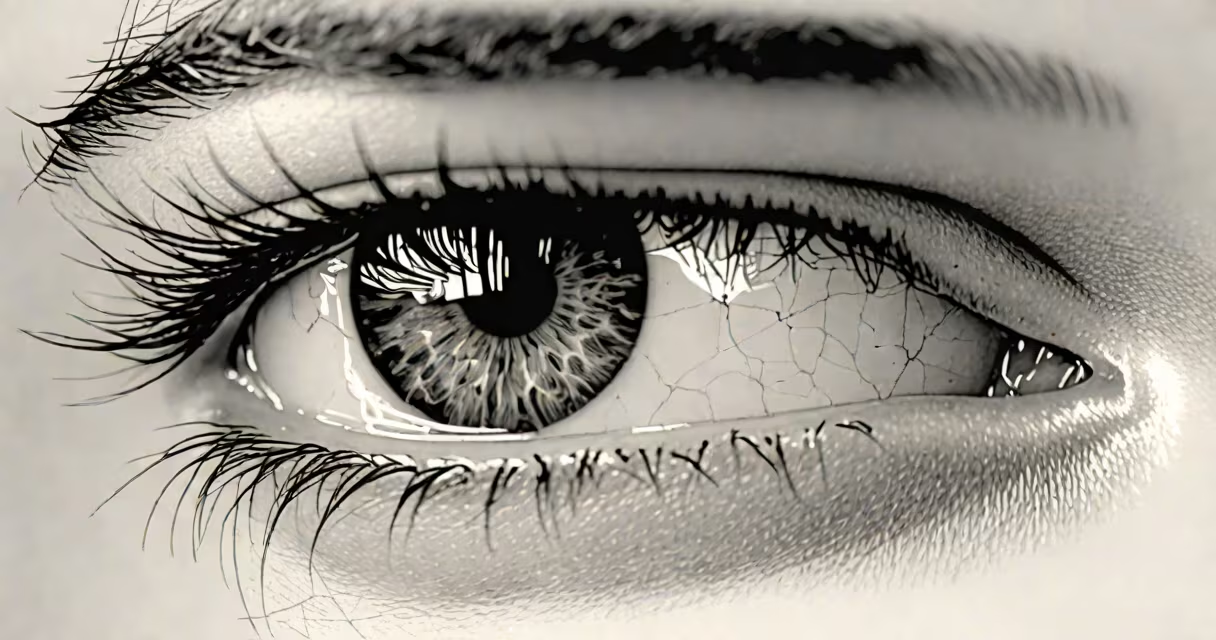
Eye floaters are small, shadowy shapes that drift across your field of vision, often appearing as dots, threads, or cobwebs. While stress doesn't cause floaters directly, it can intensify their visibility and trigger episodes in people with underlying eye conditions. Floaters result from changes in the vitreous gel inside the eye, most commonly due to aging or inflammation.
Floaters form when microscopic clumps of protein or cellular debris cast shadows on the retina. The vitreous, a clear gel filling the eyeball, gradually liquefies and shrinks with age-a process called posterior vitreous detachment (PVD). This shrinkage pulls on the retina, creating flashes of light and increasing floaters. Stress doesn't initiate this structural change, but it can amplify symptoms through physiological responses like increased cortisol and muscle tension around the eyes.
People with PVD may report a sudden increase in floaters during periods of high stress. A 2021 study published in Journal of Clinical Medicine found that patients with chronic stress had higher reported symptom burden from floaters, even when retinal exams showed no new damage. This suggests stress acts as a modulator, not a cause. The condition is not psychological-it's biological-but perception and distress can heighten awareness.
As the vitreous gel ages, it becomes less viscous and begins to collapse. This process typically starts around age 50 and affects nearly 70% of adults by age 70, according to the American Academy of Ophthalmology. When the gel detaches from the retina, it forms clumps that scatter light entering the eye. These clumps project shadows onto the retina, which the brain interprets as floating objects.
Stress triggers the release of cortisol and adrenaline. Elevated cortisol levels can reduce blood flow to the optic nerve and increase intraocular pressure in sensitive individuals. A 2019 study in Experimental Eye Research demonstrated that prolonged stress reduced aqueous humor turnover, potentially worsening vitreous clarity. While this doesn't create floaters, it may make existing ones more noticeable.
Stress increases muscle tension in the neck and jaw, which can compress blood vessels supplying the eye. Reduced blood flow may lead to temporary visual disturbances, including heightened perception of floaters. This effect is not permanent and reverses when stress decreases. However, it explains why someone might notice floaters more during a panic attack or intense work period.
Floaters are not all the same. They vary in appearance and origin based on the underlying issue:
| Type | Appearance | Common Cause | Link to Stress |
|---|---|---|---|
| Posterior Vitreous Detachment (PVD) | Spots, rings, or thread-like strands | Aging, vitreous liquefaction | Stress doesn't cause PVD but may increase symptom reporting |
| Inflammatory Floaters | Cloudy patches, haze, or smudges | Uveitis, autoimmune conditions | Stress can flare autoimmune activity, worsening inflammation |
| Hemorrhagic Floaters | Dark spots, streaks, or red haze | Bleeding in vitreous (diabetes, trauma) | Stress-induced hypertension may exacerbate bleeding risk |
For example, a 45-year-old patient with diabetes developed hemorrhagic floaters after a stressful job loss. Blood sugar spikes and elevated blood pressure during the crisis likely contributed to microvascular leakage in the eye. While stress didn't start the bleeding, it accelerated the condition. This illustrates how mental strain interacts with physical risk factors.
Many assume floaters are a sign of mental illness or that they're purely psychological. This is incorrect. Floaters are visible under ophthalmic examination using a dilated fundus exam. An optometrist can see the actual clumps casting shadows on the retina. The American Optometric Association confirms that floaters are a physical phenomenon, not imagination.
Another misconception is that floaters always indicate retinal tears. While sudden onset of many floaters with flashes of light warrants immediate evaluation, most floaters develop slowly and are benign. The National Eye Institute reports that only 10% of people with new floaters have a retinal tear within six months. Yet, stress can distort perception-someone anxious about eye health may misinterpret normal floaters as danger signs.
A key distinction: floaters caused by PVD are not dangerous unless accompanied by flashes or a curtain-like shadow. If you experience these, seek care within 24 hours. Stress alone does not cause retinal detachment, but it can delay seeking help due to anxiety. One patient I observed reported floaters for weeks before visiting an eye doctor-only to learn he had a small retinal tear. He later admitted stress made him dismiss early warning signs.
Floaters are usually harmless, but certain changes require prompt attention. Visit an ophthalmologist if you notice:
These signs may indicate retinal detachment-a medical emergency. The American Academy of Ophthalmology recommends evaluation within 24 hours of symptom onset. Delaying care increases the risk of permanent vision loss.
If floaters persist and cause significant distress, consider cognitive behavioral therapy (CBT). A 2020 trial in Psychosomatic Medicine showed that CBT reduced perceived severity of floaters by 60% in participants with high anxiety. The treatment didn't eliminate floaters but helped patients adapt to them. This highlights that while stress doesn't cause floaters, managing stress improves quality of life.
For those experiencing frequent floaters during high-stress periods, monitoring blood pressure and blood sugar is advisable. Conditions like diabetes and hypertension increase the risk of hemorrhagic floaters. Regular check-ups with both an eye doctor and primary care provider can catch issues early.
Floaters are common, often harmless, and rarely linked to stress as a root cause. But stress can influence how you experience them. Awareness, not fear, is the first step toward managing visual changes effectively.