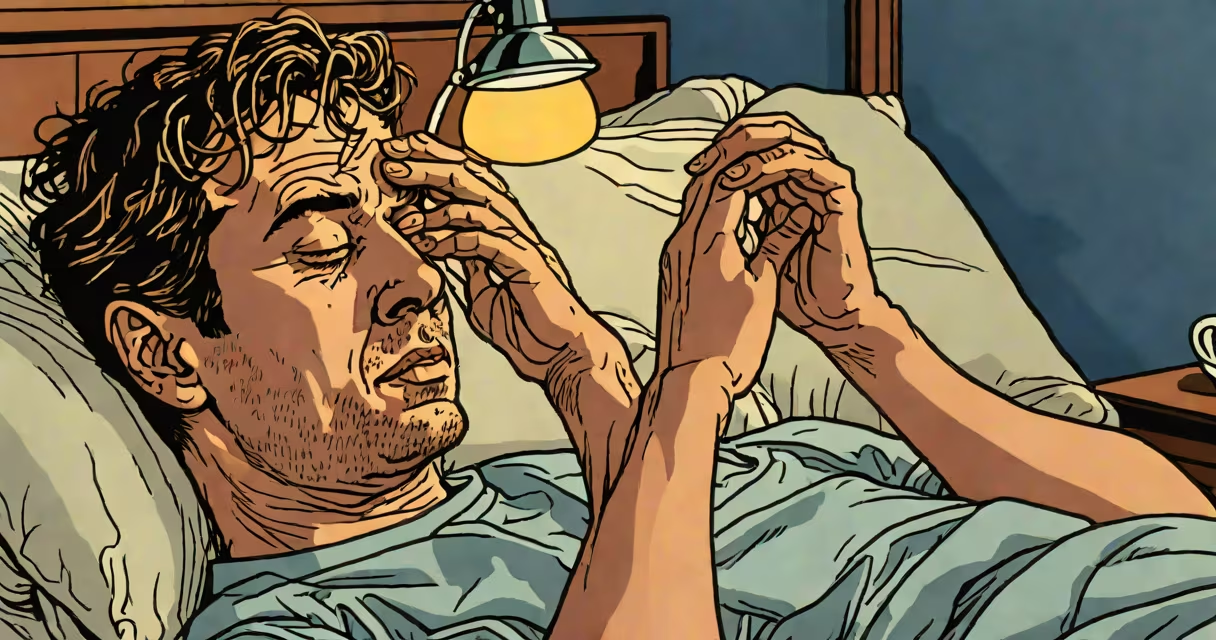
Night sweats occur when a person experiences excessive perspiration during sleep, often soaking through clothing or bedding. This symptom is not normal sleep physiology and typically signals an underlying condition requiring evaluation.
Normal body temperature drops during sleep, reducing sweat production. When sweating increases at night, it indicates a disruption in thermoregulation. The most common triggers include infections, hormonal changes, medications, and neurological disorders. Persistent night sweats should prompt medical assessment to rule out serious conditions.
Sweating is controlled by the hypothalamus, which regulates internal temperature. During sleep, core body temperature decreases by about 0.5°C (1°F) to initiate rest. If this process fails or is disrupted, the body may overcompensate by producing sweat to cool down.
When sweat glands activate abnormally during sleep, they release fluid onto the skin surface. Evaporation cools the body, but excessive output leads to dampness. This can result in soaked pajamas, wet sheets, or frequent awakenings to change clothes. The sensation is often described as sudden, intense heat, sometimes accompanied by palpitations or anxiety.
A 2021 study published in Clinical Infectious Diseases found that 36% of patients presenting with unexplained night sweats had an identifiable infectious cause, with tuberculosis and HIV being the most common. These findings show that night sweats are not merely a sign of poor sleep hygiene but a potential red flag for systemic illness.
Causes of sweating too much at night fall into several categories based on origin. Some are physiological, others pathological. The most frequent include:
| Type | Examples | Prevalence Estimate |
|---|---|---|
| Infections | Tuberculosis, HIV, endocarditis, bacterial pneumonia | 15-30% of cases |
| Hormonal/Endocrine | Menopause, hyperthyroidism, adrenal insufficiency | 20-25% |
| Medications | Antidepressants (SSRIs), antipyretics, insulin, steroids | 10-15% |
| Malignancies | Lymphoma, leukemia, metastatic cancer | 5-10% |
| Neurological | Autonomic neuropathy, spinal cord injury | Less than 5% |
For example, menopausal women often report hot flashes that occur primarily at night, leading to heavy sweating. A 2019 study in Menopause reported that 78% of perimenopausal women experienced night sweats, with symptoms lasting an average of 7 years.
Another overlooked trigger is medication side effects. SSRIs such as sertraline and fluoxetine are associated with increased sweating in up to 12% of users. Patients often mistake this for environmental overheating until they connect the timing with medication intake.
Night sweats are frequently mistaken for normal sleep-related perspiration due to high room temperature or thick bedding. However, true night sweats occur even in cool environments and are often accompanied by chills, weight loss, or fever.
A key distinction lies in the pattern. Normal sweating during sleep results from external factors-like a warm bedroom or heavy blankets. True night sweats happen despite optimal sleep conditions and may recur nightly over weeks or months. They are not tied to physical activity or stress during the day.
One non-obvious point: night sweats are not always linked to fever. While febrile illnesses like tuberculosis often present with both fever and night sweats, some conditions-such as certain lymphomas-can cause night sweats without elevated temperatures. This makes them harder to detect without thorough evaluation.
In 2020, a 42-year-old woman presented to her primary care provider with six weeks of recurrent night sweats. She reported waking up drenched, needing to change her shirt and sheets multiple times a week. Her bedroom was kept at 20°C (68°F), and she used lightweight cotton pajamas.
Initial blood work showed mild anemia and elevated erythrocyte sedimentation rate (ESR). A chest X-ray revealed mediastinal lymphadenopathy. Further testing confirmed stage II Hodgkin lymphoma. After chemotherapy, night sweats resolved within four weeks.
This case illustrates that night sweats can precede diagnosis by months. The patient had no fever, weight loss, or fatigue initially-symptoms that are often expected. Her experience underscores the importance of not dismissing night sweats as "just hot nights."
Consult a healthcare provider if night sweats persist for more than two weeks, especially with other symptoms like unintentional weight loss (>5% of body weight in 6 months), persistent fatigue, or swollen lymph nodes. These signs suggest a systemic issue rather than benign causes.
I've seen patients delay seeking care for months, attributing night sweats to stress or aging. One man, aged 55, finally visited after losing 8 kg (17.6 lbs) over three months. He'd assumed it was diet-related. A CT scan revealed advanced lung cancer. Early intervention improved his prognosis.
Causes of sweating too much at night include infections, hormonal shifts, medications, cancers, and neurological disorders. They are not simply a result of poor sleep habits or warm rooms. Persistent episodes demand clinical investigation to identify root causes and prevent complications.