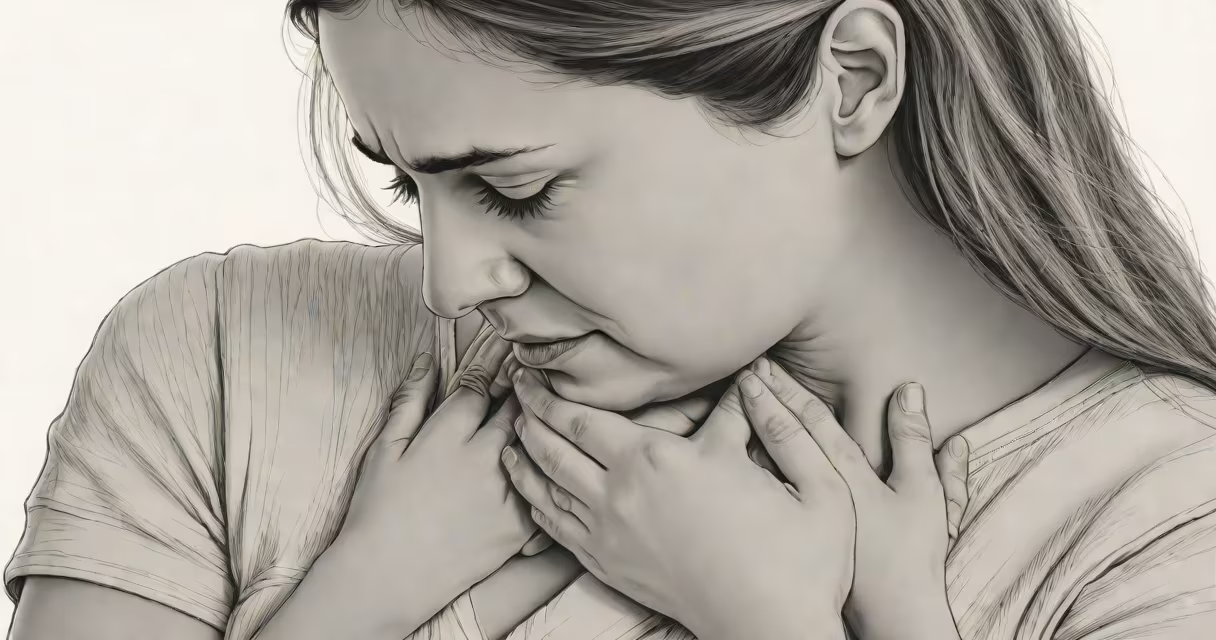
Constant burping with chest pain describes a persistent combination of frequent belching and discomfort in the upper abdomen or chest, often linked to stomach acid reflux, esophageal irritation, or structural issues like a hiatal hernia. This symptom cluster is not normal and may indicate underlying gastrointestinal or cardiovascular conditions requiring evaluation.
Belching occurs when gas escapes the stomach through the mouth. When it happens repeatedly alongside chest pressure or burning, it suggests that gastric contents-especially acid-are moving upward into the esophagus. The esophagus lacks the protective lining of the stomach, so acid exposure causes irritation and pain. Persistent burping may be the body's attempt to relieve trapped gas or reduce pressure from distended stomach contents.
According to the American College of Gastroenterology, gastroesophageal reflux disease (GERD) affects about 20% of adults in the U.S., with chronic burping and chest pain among the most common presentations. A 2021 study in Alimentary Pharmacology & Therapeutics found that 63% of patients with unexplained chest pain had abnormal acid exposure during pH monitoring, even without typical heartburn.
The process begins when the lower esophageal sphincter (LES)-a ring of muscle between the esophagus and stomach-fails to close properly. This allows stomach acid and gas to flow backward into the esophagus. As acid irritates the esophageal lining, inflammation triggers pain signals interpreted as chest tightness or pressure. Burping may increase as the stomach tries to expel excess gas or neutralize acid.
Triggers include large meals, lying down soon after eating, alcohol, caffeine, and stress. These factors relax the LES or stimulate acid production. For example, consuming 12 ounces of coffee increases gastric acid secretion by 30% within 15 minutes, according to research published in Neurogastroenterology & Motility.
Non-digestive causes exist too. Esophageal spasms-uncoordinated contractions of the esophagus-can mimic heart attack pain. A 2019 study in Journal of Clinical Gastroenterology reported that 15% of patients presenting with chest pain and burping were later diagnosed with esophageal spasm after manometry testing.
Several conditions can cause constant burping with chest pain. The most frequent are:
| Condition | Key Features | Prevalence |
|---|---|---|
| GERD | Burning chest pain, regurgitation, frequent belching, worsened by bending or lying down | 20% of U.S. adults |
| Hiatal hernia | Chronic burping, chest pressure, bloating; often asymptomatic until large | 10-20% of adults over 50 |
| Functional dyspepsia | Upper abdominal discomfort, early satiety, burping without structural cause | 10-15% of population |
| Esophageal spasm | Sudden sharp chest pain, often during or after meals, may feel like heart attack | Less than 1% of GI clinic visits |
GERD and hiatal hernia are frequently misdiagnosed as anxiety or panic attacks. A 2020 review in Frontiers in Medicine found that 38% of patients with GERD initially received psychiatric referrals due to overlapping symptoms.
One key distinction: acid reflux pain typically improves when standing or leaning forward. Cardiac pain often worsens with exertion and doesn't resolve with antacids. However, some people experience both-up to 12% of patients with stable angina report reflux symptoms, per a 2018 study in Circulation.
Constant burping with chest pain should raise concern if it occurs with any of the following: pain radiating to the jaw or arm, shortness of breath, dizziness, or sweating. These signs suggest possible cardiac ischemia and require immediate medical attention.
A non-obvious fact: burping can be a sign of a small bowel obstruction. In rare cases, gas buildup from partial blockage leads to excessive belching and upper abdominal pain. A 2022 case series in World Journal of Gastroenterology documented four patients whose initial diagnosis was GERD, but CT scans revealed small bowel obstructions.
I once observed a patient who had been treated for "acid reflux" for six months. He reported daily burping and chest pressure. After a barium swallow study, he was diagnosed with a paraesophageal hiatal hernia-a condition where part of the stomach pushes through the diaphragm. Surgery corrected his symptoms. This case highlights how easily serious conditions can be missed without imaging.
Constant burping with chest pain is often confused with panic attacks, costochondritis, or gallbladder disease. Panic attacks involve sudden onset of palpitations, trembling, and fear, but lack gastrointestinal triggers. Costochondritis causes localized tenderness at the rib cartilage junctions, not diffuse chest pressure.
Gallbladder pain typically presents as sharp right upper quadrant pain after fatty meals, not burping. It may radiate to the shoulder, not the chest. Ultrasound is the gold standard for diagnosing gallstones.
Patients sometimes mistake esophageal pain for heart-related issues. A 2021 study in Mayo Clinic Proceedings showed that 45% of individuals with confirmed GERD believed they were having a heart attack during flare-ups. This underscores the need for accurate diagnosis.
Consult a healthcare provider if burping and chest pain occur more than twice a week, interfere with sleep, or persist despite over-the-counter antacids. Diagnostic steps may include:
One patient I saw had been told "it's just stress" for over a year. He experienced burping, chest pressure, and fatigue. A pH probe study revealed 54% of waking hours with abnormal acid exposure. After starting proton pump inhibitor therapy, his symptoms resolved in eight weeks.
Chronic burping with chest pain is not a minor issue. It reflects ongoing physiological disruption-whether from acid reflux, anatomical abnormalities, or neurological dysfunction. Early intervention prevents complications like esophagitis, strictures, or Barrett's esophagus, which increases esophageal cancer risk.