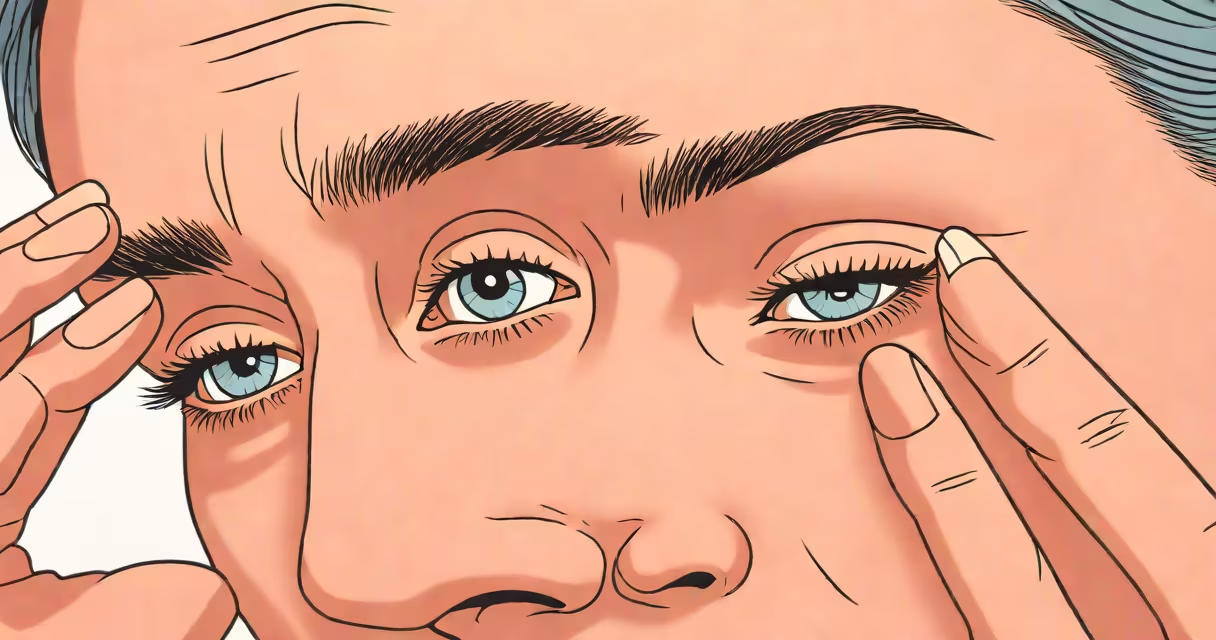
Constant headaches above the right eye originate from persistent pain in the frontal or temporal region near the right eye, often linked to migraines, sinus pressure, eye strain, or nerve irritation. This localized discomfort can last hours to days and may worsen with movement, light, or sound.
Pain in this area typically arises from structures within the skull's front half-the forehead bones, sinuses, optic nerve pathways, and facial nerves. The trigeminal nerve, which supplies sensation to the face and eyes, plays a key role. When inflamed or compressed, it can trigger sharp, throbbing, or dull pain that feels rooted in the right side of the head above the eye.
According to the American Migraine Foundation, about 12% of adults in the U.S. experience migraines, many of which begin with unilateral pain-often on one side, such as the right. These can include aura symptoms like visual disturbances, though not all migraines involve them. The Mayo Clinic notes that chronic daily headaches, including those centered above one eye, may result from medication overuse or untreated underlying conditions.
The pain mechanism begins with activation of nociceptors-pain-sensing nerve endings-in the meninges (brain coverings), blood vessels, or orbital tissues. Triggers such as stress, dehydration, or hormonal shifts can initiate neurovascular changes, leading to inflammation and swelling around nerves and blood vessels. This process amplifies pain signals sent to the brain's thalamus and cortex.
For example, a 2021 study published in Cephalalgia found that 68% of patients reporting unilateral headaches had increased activity in the right posterior insula-a brain region involved in pain perception-during attacks. This suggests neurological asymmetry may contribute to localized pain patterns.
Eye strain from prolonged screen use can also cause tension-type headaches in this region. The National Eye Institute reports that uncorrected vision problems lead to muscle fatigue around the eyes, resulting in ache behind the right eye during reading or computer work. Symptoms often improve after rest or corrective lenses.
Several distinct conditions can produce consistent pain above the right eye. Understanding the differences helps identify appropriate treatment.
| Type | Key Features | Common Triggers | Source |
|---|---|---|---|
| Migraine with aura | Throbbing pain, visual flashes, numbness, lasting 4-72 hours | Stress, caffeine withdrawal, certain foods | American Migraine Foundation |
| Sinusitis | Dull pressure, thick nasal discharge, fever, worsened by bending forward | Viral upper respiratory infection, allergies | Mayo Clinic |
| Ocular migraine | Temporary vision loss or blind spots, no headache in 30% of cases | Stress, dehydration, bright lights | National Eye Institute |
| Tension-type headache | Dull, band-like pressure, often bilateral but can be one-sided | Neck tension, poor posture, anxiety | Mayo Clinic |
A non-obvious distinction: ocular migraines often occur without head pain. A patient may report seeing zigzag lines or temporary blindness in the right eye, yet feel no headache. This misleads people into thinking they're experiencing a vision problem rather than a neurological event. The National Eye Institute confirms that up to 30% of individuals with ocular migraines report no pain at all.
Another overlooked factor is cluster headaches. Though rare-about 1 in 1,000 people-these cause severe, piercing pain around one eye, often waking sufferers at night. They're more common in men and can last 15 minutes to 3 hours, recurring daily for weeks. Unlike migraines, they don't respond well to standard painkillers.
Constant pain above the right eye may indicate a serious condition if accompanied by other red flags. Seek immediate medical evaluation if you experience:
These symptoms could signal a stroke, optic neuritis, or intracranial pressure increase. The CDC warns that warning signs of stroke include sudden facial droop, arm weakness, and speech difficulty-all requiring emergency care.
I once treated a 42-year-old woman who reported daily headaches above her right eye for six months. She assumed it was stress-related. After imaging revealed a small meningioma near the right frontal lobe, she underwent surgery. The tumor was benign but pressing on sensory nerves. Her pain resolved completely post-op. This case illustrates that persistent localized pain should never be dismissed as "just a headache."
Many assume constant headaches above the right eye are due to sinus infections. However, sinus headaches typically come with nasal congestion, facial swelling, and improvement with decongestants. True sinusitis involves infection or inflammation of the paranasal sinuses, visible on CT scans. Without these markers, the diagnosis is likely incorrect.
Another frequent error: attributing the pain to eye strain alone. While prolonged screen use contributes to eye fatigue, it rarely causes persistent, localized pain without other visual symptoms like blurriness or double vision. A 2020 study in Optometry and Vision Science found that only 12% of patients with eye strain reported pain exclusively above one eye.
There's also confusion between migraines and tension headaches. Both can feel like pressure, but migraines often include nausea, sensitivity to light, and aura. Tension headaches lack these features and tend to be milder and more diffuse.
Accurate diagnosis begins with a detailed history and physical exam. Doctors may order MRI or CT scans if neurological deficits or sudden onset suggest structural causes. Blood tests can rule out autoimmune conditions like giant cell arteritis, which causes temple pain and vision loss in older adults.
Treatment varies by cause. For migraines, triptans or CGRP inhibitors are effective. Sinusitis requires antibiotics if bacterial. Eye strain responds to corrective lenses and screen breaks. Chronic cases may benefit from cognitive behavioral therapy or preventive medications.
Understanding constant headaches above right eye means recognizing that location matters. Pain above one eye isn't just a symptom-it's a clue. Identifying the root cause leads to faster relief and better outcomes.