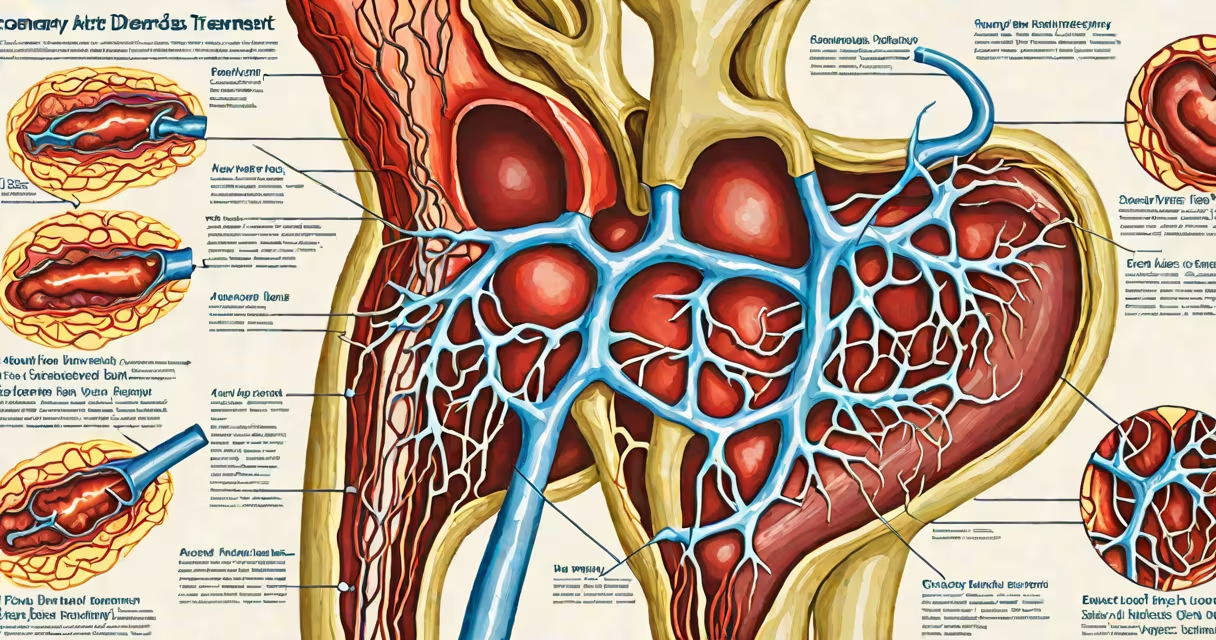
coronary artery disease treatment options are medical and surgical interventions designed to restore blood flow to the heart muscle by addressing narrowed or blocked coronary arteries. These include medications, percutaneous coronary intervention (PCI) with stents, coronary artery bypass grafting (CABG), and lifestyle modifications. Treatment choice depends on blockage severity, symptoms, and patient health.
Coronary artery disease (CAD) develops when plaque builds up in the coronary arteries, restricting blood flow to the heart. This can cause chest pain (angina), shortness of breath, or lead to a heart attack. The goal of treatment is to relieve symptoms, prevent complications, and improve long-term survival.
Doctors assess treatment options using diagnostic tests such as coronary angiography, stress tests, and CT angiography. These identify blockages and determine whether intervention is needed. A blockage greater than 70% in a major artery typically warrants invasive treatment.
Treatment aims to reduce ischemia-the lack of oxygen-rich blood to heart tissue-by either opening blocked vessels or rerouting blood around them. Medications manage risk factors and stabilize plaques. Procedures physically reopen arteries. Surgery creates new pathways for blood flow.
For example, a patient with stable angina and a 75% blockage in the left anterior descending artery may be prescribed statins, aspirin, and beta-blockers to lower cholesterol, prevent clots, and reduce heart rate. If symptoms persist despite medication, PCI or CABG may follow.
Procedures like angioplasty involve threading a catheter through a groin or wrist artery to reach the blocked coronary vessel. A balloon is inflated to compress plaque, and a stent-a small mesh tube-is placed to keep the artery open. Stents can be bare-metal or drug-eluting, which release medication to prevent re-narrowing.
The main categories are pharmacological therapy, revascularization procedures, and lifestyle interventions. Each serves a distinct role based on disease stage and patient profile.
| Treatment Type | When Used | Key Methods | Success Rate (1-year) |
|---|---|---|---|
| Medications | Mild to moderate CAD; symptom control | Statins, antiplatelets, beta-blockers, ACE inhibitors | 60-70% symptom relief |
| Angioplasty with Stents | Single or double-vessel blockage; stable or unstable angina | PCI with drug-eluting stents (DES) | 90-95% patency at 1 year |
| Bypass Surgery (CABG) | Multivessel disease; left main disease; diabetes | Using internal mammary artery grafts | 85-90% graft patency at 5 years |
Drug-eluting stents have reduced restenosis (re-narrowing) from 20% with bare-metal stents to under 5% over five years, according to the National Heart, Lung, and Blood Institute (NHLBI).
CABG remains preferred for patients with diabetes and multivessel disease. A 2021 study in the New England Journal of Medicine showed that CABG reduced major adverse cardiac events by 30% compared to stenting over ten years in diabetic patients with three-vessel disease.
Many assume stents cure CAD. They don't. Stents treat the immediate blockage but do not reverse underlying atherosclerosis. Patients still require lifelong medications and monitoring.
Another misconception is that bypass surgery is always more effective than stenting. For single-vessel disease, stenting often yields similar outcomes with faster recovery. But for complex blockages-especially involving the left main artery-CABG offers better long-term survival.
A key distinction: PCI is done in a cath lab under local anesthesia, while CABG requires general anesthesia and open-heart surgery. Recovery time differs -days versus weeks.
I once observed a 62-year-old man with three-vessel disease who chose stenting due to fear of surgery. He returned six months later with recurrent angina. Angiography revealed new blockages in untreated vessels. His cardiologist explained that stenting managed existing lesions but didn't halt disease progression. He eventually underwent CABG after a second heart attack.
Decision-making hinges on anatomy, comorbidities, and patient preference. The SYNTAX trial classified blockages by complexity. High SYNTAX scores (>33) indicate complex anatomy, favoring CABG. Low scores (<22) suggest stenting is equally effective.
For example, a 55-year-old woman with stable angina and a 90% blockage in the right coronary artery may undergo PCI. Her procedure takes 45 minutes, she goes home the next day, and resumes light activity within a week.
In contrast, a 68-year-old man with diabetes, three-vessel disease, and a left main lesion would likely undergo CABG. Grafts using the internal mammary artery show 90% patency at ten years, per the Society of Thoracic Surgeons (STS) database.
Lifestyle changes remain foundational. The American Heart Association reports that diet, exercise, smoking cessation, and weight management reduce mortality by 30% even in treated patients. These are not supplements-they are core components of care.
Patients should discuss risks and benefits with their cardiologist. No single treatment fits all. The most effective plan combines targeted therapy with sustained behavior change.
Understanding your treatment options ensures informed decisions. The right path depends on anatomy, goals, and personal health history.