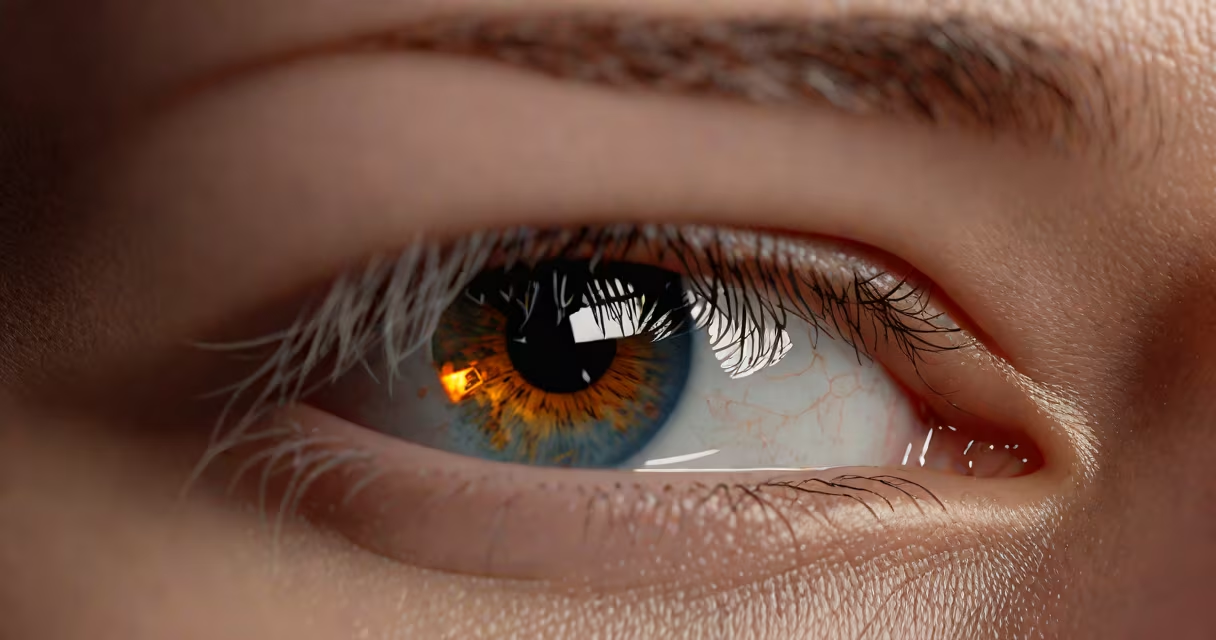
A burning, itchy sensation at the corner of the eye typically results from dryness, irritation, or mild inflammation in the delicate skin and tear duct area near the nose. This spot is prone to discomfort due to high exposure to environmental factors and limited natural lubrication.
The inner corner of the eye, where the eyelid meets the nose, contains the lacrimal punctum-the tiny opening that drains tears into the nasal cavity. When this area becomes irritated, it can trigger sharp or persistent itching and burning. Common triggers include dry air, contact lens wear, makeup residue, or underlying conditions like blepharitis or dry eye syndrome.
According to the American Academy of Ophthalmology, dry eye syndrome affects over 16 million adults in the U.S., with symptoms frequently localized to the inner eye corners. The condition arises when tear production drops or tear quality degrades, leading to uneven surface coverage and increased sensitivity.
Irritation in the inner eye corner begins when the surface cells of the conjunctiva or skin around the tear duct become inflamed or lose moisture. This can occur due to mechanical stress-like rubbing the eye-or chemical exposure from skincare products, shampoos, or allergens. Even brief contact with chlorine in pools or airborne pollutants can disrupt the protective tear film.
When the tear film evaporates too quickly or fails to spread evenly across the eye's surface, the cornea and surrounding tissues become exposed. This leads to nerve endings in the mucous membrane detecting abnormal friction or dryness, sending signals interpreted as itch or burn. The brain responds by prompting blinking or rubbing-actions that often worsen the irritation.
For example, someone using a new facial cleanser may notice the inner corner of their left eye starts to burn after washing. Within minutes, they feel a persistent itch. This reaction is likely due to surfactants in the product migrating into the eye during rinsing, disrupting the lipid layer of the tear film.
Several distinct conditions can cause the same symptom. Understanding the difference helps determine whether home care or medical attention is needed.
| Condition | Key Features | Typical Triggers |
|---|---|---|
| Dry Eye Syndrome | Chronic dryness, grittiness, redness; often worse in air-conditioned spaces | Age, screen time, hormonal changes, certain medications |
| Blepharitis | Greasy flakes along eyelashes, crusting, chronic irritation | Overgrowth of bacteria on lid margins, blocked oil glands |
| Allergic Conjunctivitis | Itching, watery eyes, swelling; often seasonal | Pollen, dust mites, pet dander |
| Stye (Hordeolum) | Painful lump at lash base, redness, warmth | Staphylococcus aureus infection in oil gland |
One key distinction is that allergic reactions usually affect both eyes symmetrically, while blepharitis and styes tend to appear unilaterally. Dry eye symptoms often fluctuate throughout the day-worse in the afternoon after prolonged screen use.
As noted by the National Eye Institute, 80% of dry eye cases stem from meibomian gland dysfunction, where the oil-producing glands in the eyelids fail to secrete enough lipid to prevent evaporation. This leads to rapid tear breakdown and localized burning, especially at the inner corner where drainage occurs.
People often mistake this sensation for a sign of infection or a foreign object. However, the absence of pus, significant swelling, or vision changes suggests a non-infectious origin. A true eye infection typically presents with discharge, light sensitivity, or blurred vision-not isolated itching and burning.
Another common error is assuming that over-the-counter eye drops will fix the issue. Artificial tears help temporarily, but if the problem stems from blocked glands or chronic inflammation, simply adding moisture won't resolve the root cause. Using drops with preservatives can even irritate the eye further.
For instance, a patient reported daily burning at the inner corner of her right eye. She used preservative-free drops for weeks with no improvement. An ophthalmologist diagnosed her with posterior blepharitis-a condition where oil glands are clogged behind the eyelid. After warm compresses and lid scrubs, symptoms resolved within five days.
Consult an eye doctor if symptoms last longer than a week despite avoiding known irritants. Red flags include worsening pain, swelling, or changes in vision. These may indicate a more serious condition such as a chalazion (cyst from blocked gland) or even early signs of autoimmune disease like Sjögren's syndrome.
For persistent cases, a slit-lamp exam can assess the health of the tear film and lid margins. Treatment may involve prescription anti-inflammatory drops, oral antibiotics for bacterial overgrowth, or procedures like intense pulsed light therapy for severe dry eye.
One patient with chronic burning at the inner corner was initially told it was "just dry eyes." After six months of worsening symptoms, he was referred to a corneal specialist. A diagnostic test revealed low tear osmolarity-indicating concentrated tears that damage the ocular surface. He began using autologous serum eye drops and saw relief within two weeks.