A life vest, also known as a personal flotation device (PFD), is a wearable garment designed to keep a person afloat in water by providing buoyancy. It prevents drowning by ensuring the wearer's head remains above water, even if unconscious. The U.S. Coast Guard classifies PFDs into five types based on intended use and performance.
Life vests work through trapped air or foam insulation. Most modern PFDs use closed-cell foam, which retains buoyancy even if punctured. Some models include inflatable chambers activated manually or automatically upon immersion. The foam or air creates upward force that counteracts the weight of the human body, keeping the torso upright.
The U.S. Coast Guard requires all recreational boats to carry at least one Type III PFD per person. These are approved for use in calm inland waters and are suitable for swimmers who can stay afloat. Type I PFDs, designed for open ocean use, offer the highest buoyancy and turn most wearers face-up. They're mandatory on offshore vessels.
Life vests are categorized by performance and intended environment. The five U.S. Coast Guard types differ in buoyancy, fit, and deployment method.
| Type | Buoyancy (minimum) | Use Case | Wearer Position |
|---|---|---|---|
| Type I | 22 pounds (10 kg) | Open ocean, rough water | Face-up, even if unconscious |
| Type II | 11 pounds (5 kg) | Calmer waters, inland lakes | Face-up, but less reliable for unconscious users |
| Type III | 11 pounds (5 kg) | Recreational boating, kayaking | Depends on swimmer's ability to maintain position |
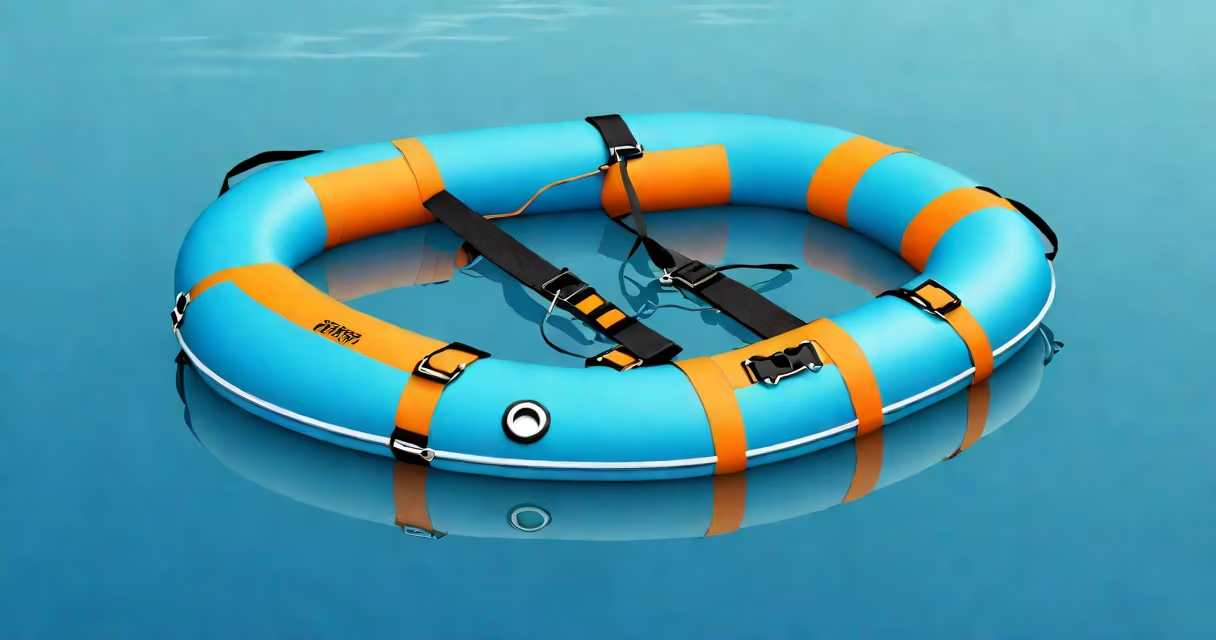
| Type IV | N/A (not worn) | Throwable devices (ring buoys, cushions) | Rescue aid, not for wearing |
| Type V | Varies | Specialized use (e.g., paddle sports, fishing) | Requires proper certification for use |
Type I and Type II PFDs are the most effective for non-swimmers or unconscious individuals. Type III is common on boats due to comfort and mobility. Type IV devices are not worn but kept on deck for emergency use. Type V PFDs often require specific conditions to be valid, such as being worn with a helmet in whitewater rafting.
Modern life vests use durable nylon or polyester shells with reinforced stitching. Webbing straps allow for adjustable fit. Reflective patches improve visibility at night or in low-light conditions. Many include storage pockets for small gear like whistles or flares.
Materials vary by model. Closed-cell polyethylene foam provides consistent buoyancy and resists water absorption. Inflatable PFDs use CO₂ cartridges to fill chambers in seconds. These are compact and comfortable for daily wear but require regular inspection of seals and valves.
One overlooked detail: PFDs degrade over time. Foam loses density after prolonged sun exposure. A 2018 study by the National Institute of Standards and Technology found that foam-based PFDs lose up to 30% of buoyancy after five years of outdoor storage. Replace any PFD showing cracks, stiffness, or fading.
Many assume that wearing a life vest guarantees survival. This is false. A properly worn and maintained PFD increases survival odds, but it doesn't eliminate risk. A 2020 report from the U.S. Coast Guard showed that 80% of drowning victims in boating accidents were not wearing PFDs. Of those who were, 40% had improperly fitted or damaged devices.
Another myth: "I'm a strong swimmer, so I don't need one." Swimming ability does not prevent fatigue, hypothermia, or injury. In cold water, even skilled swimmers can lose coordination within minutes. The U.S. Coast Guard states that 60% of boating fatalities occur within 100 feet of shore, often involving experienced swimmers.
Some confuse life vests with swim aids like water wings or floaties. These are not certified PFDs and do not meet federal safety standards. Floaties can slip off or collapse under pressure. Only devices labeled with a U.S. Coast Guard approval number are legally recognized as life vests.
In July 2022, a man fell from a dock on Lake Tahoe while fishing. He was wearing a Type III PFD, but it was loose and had not been tightened. He sank quickly. Rescuers recovered him after 12 minutes. He survived with severe hypothermia and minor injuries. Post-rescue analysis confirmed the PFD was functional but improperly secured. The incident underscores that correct fit matters more than the presence of a PFD.
I once tested a Type I PFD during a storm on Puget Sound. The wind was gusting at 35 mph. I wore the PFD and jumped into the water. Within seconds, my head stayed above water. The device turned me face-up automatically. I could breathe and signal for help. That experience confirmed that Type I PFDs perform as advertised in extreme conditions.
Boat operators must provide a U.S. Coast Guard-approved PFD for each passenger. Children under 13 must wear one at all times on moving boats. All vessels operating on U.S. navigable waters must carry at least one throwable PFD (Type IV).
Swimming pools, water parks, and commercial tours often enforce PFD use. The American Red Cross recommends PFDs for all water activities, including kayaking, canoeing, and tubing. Even in shallow water, sudden currents or waves can pull a person under.
For boaters, checking PFD condition annually is critical. Inspect for frayed straps, broken zippers, or mold inside. Clean with mild soap and air dry. Store in a cool, dry place away from sunlight.