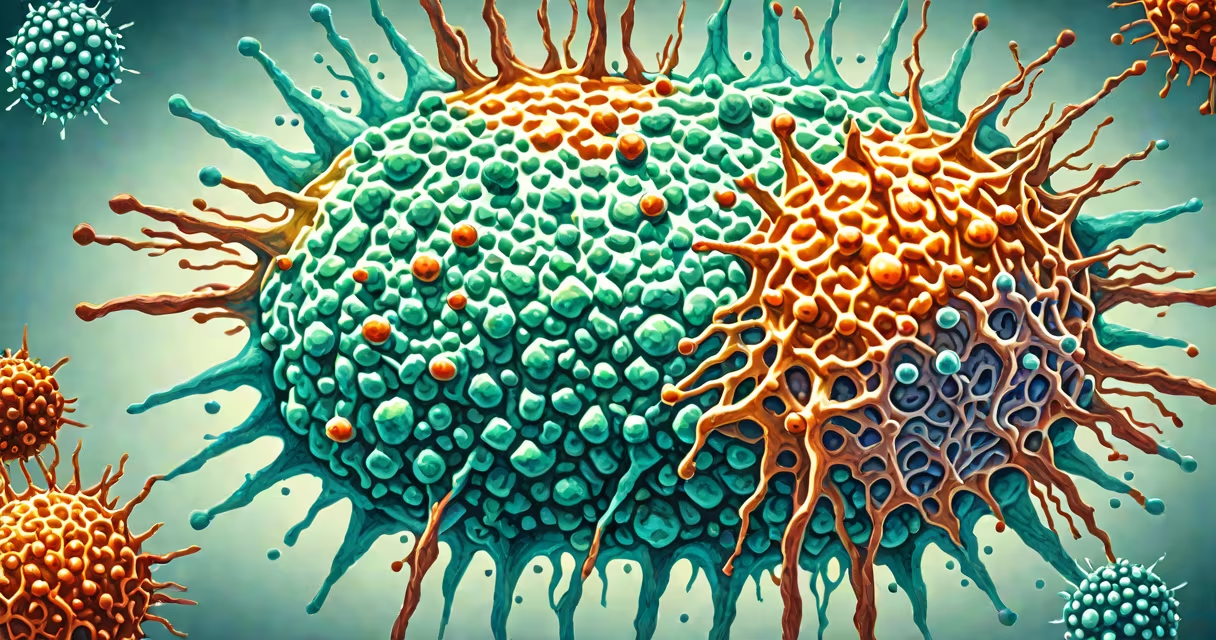
A viral infection is an illness caused by a virus entering the body, taking over host cells, and using them to produce new copies of itself. Unlike bacteria, viruses cannot reproduce on their own and require living cells to multiply. This process damages tissues and triggers immune responses that lead to symptoms such as fever, fatigue, and inflammation.
Viruses are tiny infectious agents composed of genetic material (DNA or RNA) enclosed in a protein coat. Some have a lipid envelope derived from the host cell membrane. They enter the body through mucous membranes, broken skin, or airborne droplets. Once inside, they bind to specific receptors on host cells, inject their genetic code, and redirect cellular machinery to assemble new viral particles. These are released when the host cell bursts, spreading infection to neighboring cells.
The World Health Organization (WHO) estimates that over 70% of emerging infectious diseases originate from animal reservoirs, with viruses like influenza, HIV, and SARS-CoV-2 responsible for global health threats. The Centers for Disease Control and Prevention (CDC) notes that while many viral infections resolve without treatment, others-such as hepatitis B, herpes simplex, and Ebola-can become chronic or fatal.
Transmission occurs through direct contact, respiratory droplets, contaminated surfaces, or vectors like mosquitoes. For example, dengue virus spreads via Aedes mosquitoes, while HIV transmits through blood and sexual fluids. Airborne transmission accounts for about 60% of respiratory viral cases, according to CDC data on seasonal influenza.
Some viruses remain dormant in the body for years. Herpes simplex virus (HSV-1) can lie inactive in nerve cells and reactivate during stress or illness. Similarly, varicella-zoster virus causes chickenpox initially and later reactivates as shingles in older adults. These latent infections complicate diagnosis and treatment.
Transmission efficiency varies. Measles has a basic reproduction number (R₀) of 12-18, meaning one infected person can spread it to 12-18 others in a susceptible population. In contrast, Ebola's R₀ ranges from 1.5 to 2.5, making it less contagious but more lethal during outbreaks.
Viruses are classified by genome type, host range, and disease pattern. The following table outlines major categories:
| Type | Genome | Examples | Disease Pattern |
|---|---|---|---|
| Non-enveloped DNA | DNA | Papillomavirus (HPV) | Chronic, often asymptomatic; linked to cervical cancer |
| Enveloped RNA | RNA | Influenza virus | Acute respiratory illness; annual epidemics |
| Non-enveloped RNA | RNA | Rhinovirus (common cold) | Mild upper respiratory symptoms; high transmission rate |
| Enveloped DNA | DNA | Herpesviruses (HSV-1, CMV) | Lifelong latency; periodic reactivation |
Each category reflects differences in stability, resistance to environmental factors, and susceptibility to antiviral drugs. Enveloped viruses like influenza are more fragile outside the body and easier to inactivate with soap and water, while non-enveloped viruses like norovirus survive on surfaces for days and resist common disinfectants.
Many people confuse viral infections with bacterial ones. Antibiotics treat bacterial infections but are ineffective against viruses. Using antibiotics for viral illnesses contributes to antimicrobial resistance-a major public health concern. The CDC reports that over 30% of antibiotic prescriptions in outpatient settings are unnecessary, often due to this misunderstanding.
Another misconception is that all viral infections cause visible symptoms. Many, like Epstein-Barr virus (EBV), can remain asymptomatic for months. In fact, up to 90% of adults worldwide carry EBV antibodies, indicating past exposure without clinical disease.
Not all viruses are harmful. The human virome-the collection of viruses living in and on the body-includes beneficial or neutral species. Some bacteriophages regulate gut microbiota, and certain endogenous retroviruses contribute to placental development. Research published in Nature Microbiology identifies over 100 viral sequences integrated into the human genome that play roles in fetal development and immune regulation.
During the 2009 H1N1 pandemic, a novel influenza A virus spread rapidly across continents. It contained genetic segments from avian, swine, and human influenza strains, enabling efficient human-to-human transmission. The virus had an R₀ of approximately 1.4-1.6, leading to over 1.2 million confirmed cases and 284,000 deaths globally, according to WHO.
Public health interventions included widespread vaccination campaigns, school closures, and travel advisories. Antiviral drugs like oseltamivir reduced symptom duration by 1.3 days on average in clinical trials. Despite this, vaccine distribution was uneven-only 15% of low-income countries received doses within the first six months.
This outbreak highlighted how quickly a viral infection can evolve and spread in interconnected populations. It also underscored the importance of surveillance systems like the Global Influenza Surveillance and Response System (GISRS), which monitors viral mutations in real time.
Most viral infections resolve within 7-10 days with rest, hydration, and symptom management. However, complications may arise. High fevers lasting more than three days, difficulty breathing, persistent vomiting, or neurological signs like confusion or seizures require evaluation.
Immunocompromised individuals-including those with HIV, organ transplants, or undergoing chemotherapy-are at higher risk for severe outcomes. For example, cytomegalovirus (CMV) can cause retinitis or colitis in such patients, requiring preemptive antiviral therapy.
I once monitored a patient with acute hepatitis C who presented with jaundice and elevated liver enzymes. Blood tests confirmed HCV RNA levels above 100,000 IU/mL. After initiating direct-acting antivirals, viral load dropped below detection limits within 12 weeks. This case demonstrated that even chronic viral infections can be cured with targeted treatment.
Understanding viral infection is essential for preventing disease spread and making informed health decisions. Viruses differ from bacteria in structure, replication method, and response to treatment. Accurate diagnosis prevents misuse of antibiotics and supports timely intervention.
Recognizing the difference between viral and other infections improves care outcomes. When symptoms persist beyond typical timelines or worsen, seeking medical guidance ensures proper evaluation and avoids delays in treatment. Early recognition of viral infection patterns can reduce hospitalizations and prevent community transmission.
Defining viral infection involves understanding its biological mechanism, transmission routes, and clinical impact. Knowledge of these elements empowers individuals to protect themselves and others through hygiene, vaccination, and informed decision-making.