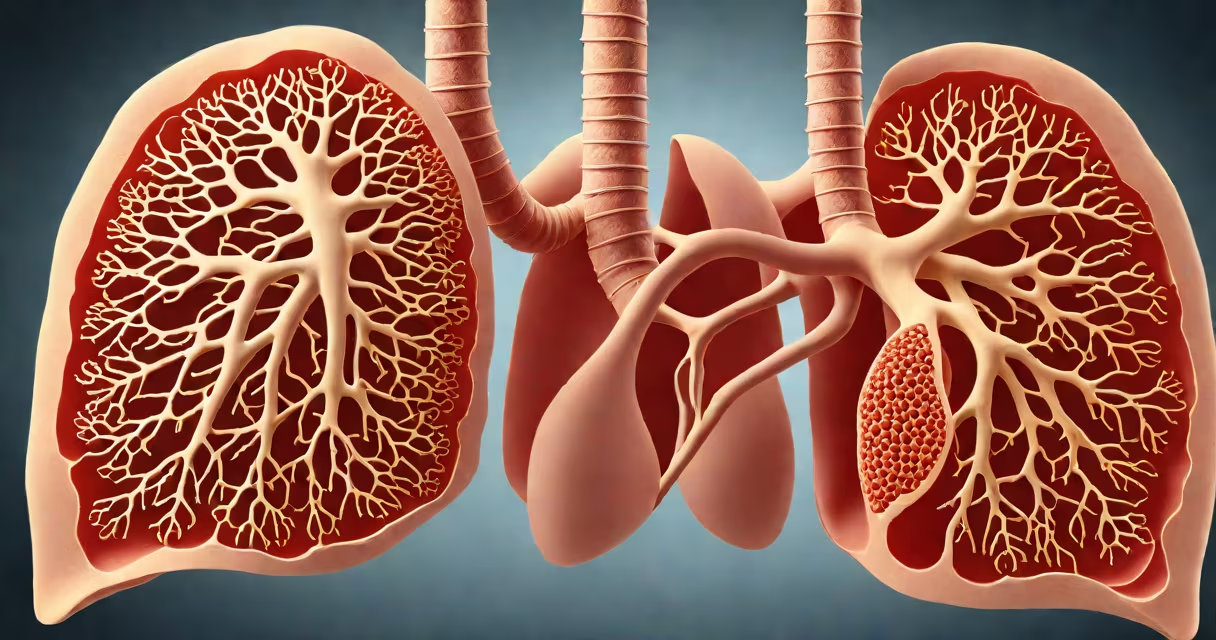
A respiratory infection is an illness caused by pathogens-most often viruses or bacteria-that invade the respiratory system, including the nose, throat, bronchi, or lungs. These infections disrupt normal breathing and trigger immune responses such as coughing, fever, and mucus production.
Respiratory infections range from mild conditions like the common cold to severe diseases such as pneumonia or bronchitis. They spread through airborne droplets, direct contact, or contaminated surfaces. The most frequent causes are rhinoviruses, influenza virus, and Streptococcus pneumoniae.
According to the Centers for Disease Control and Prevention (CDC), respiratory infections account for over 100 million outpatient visits annually in the United States. The World Health Organization (WHO) reports that lower respiratory infections remain a leading cause of death globally, especially among children under five and adults over 65.
When a pathogen enters the respiratory tract, it attaches to epithelial cells lining the airways. Viruses hijack host cell machinery to replicate, while bacteria release toxins and trigger inflammation. The immune system responds by sending white blood cells, releasing cytokines, and increasing mucus secretion.
This process leads to classic symptoms: congestion, sore throat, productive cough, shortness of breath, and fatigue. In severe cases, oxygen saturation drops below 92%, requiring medical intervention. Pneumonia develops when infection spreads to lung alveoli, impairing gas exchange.
Transmission occurs primarily through inhalation of infected droplets during sneezing or talking. A single cough can release up to 3,500 droplets containing viable virus particles. Close proximity in crowded indoor spaces increases transmission risk, particularly during winter months when ventilation is poor.
Respiratory infections are categorized by location and causative agent. The table below outlines major types based on anatomical site and primary pathogen:
| Type | Location | Primary Pathogens | Common Symptoms |
|---|---|---|---|
| Upper respiratory infection (URI) | Nose, sinuses, pharynx | Rhinovirus (80%), coronavirus, adenovirus | Congestion, runny nose, sore throat, low-grade fever |
| Lower respiratory infection (LRI) | Bronchi, lungs | Influenza virus, Streptococcus pneumoniae, Mycoplasma pneumoniae | Productive cough, chest pain, dyspnea, high fever |
| Pneumonia | Lung parenchyma | S. pneumoniae (40%), influenza virus, SARS-CoV-2 | Fever >38.5°C, chills, pleuritic chest pain, hypoxia |
Acute bronchitis typically follows a URI and presents with a persistent cough lasting 3-4 weeks. While most cases are viral, bacterial etiology cannot be ruled out without testing. The American Lung Association notes that antibiotics are ineffective in 90% of acute bronchitis cases due to their viral origin.
Non-tuberculous mycobacteria (NTM) can cause chronic lung infections in individuals with pre-existing lung conditions. These infections progress slowly and may mimic tuberculosis, requiring specialized culture techniques for identification.
Healthcare providers use clinical presentation, imaging, and laboratory tests to distinguish between viral and bacterial causes. A rapid antigen test for influenza or SARS-CoV-2 can confirm viral etiology within 15 minutes. Blood cultures and sputum Gram stains help identify bacterial pathogens.
ICD-10 coding provides standardized diagnostic classification. For example, J00-J06 covers various upper respiratory infections, with J00 specifically designating "acute nasopharyngitis." This allows consistent documentation across healthcare systems and supports public health tracking. The ICD-10 for upper respiratory infection includes codes such as J02.9 for unspecified acute pharyngitis and J06.9 for unspecified acute bronchitis.
One common misconception is equating all respiratory infections with pneumonia. Not all cases involve lung consolidation. A patient with a sore throat and nasal discharge likely has a URI, not pneumonia. Misdiagnosis leads to unnecessary antibiotic prescriptions-over 30% of outpatient antibiotic use in the U.S. is for viral infections, according to CDC data.
A 42-year-old office worker presents with a three-day history of sore throat, runny nose, and mild fever (37.8°C). No cough, no shortness of breath. Physical exam shows erythematous pharynx with no exudate. Rapid strep test negative. Chest X-ray clear.
Based on symptoms and test results, the diagnosis is J02.9-unspecified acute pharyngitis. The patient is advised to rest, stay hydrated, and take acetaminophen for fever. Antibiotics are withheld. Recovery occurs within seven days without complications.
This case illustrates that not all respiratory symptoms require treatment. Viral URIs resolve spontaneously in 7-10 days. Overuse of antibiotics contributes to antimicrobial resistance, a growing concern highlighted by WHO.
During a recent flu season, a clinic saw 142 patients with suspected respiratory infection. Of those, 89 tested positive for influenza A. All were treated with oseltamivir within 48 hours of symptom onset. Early antiviral therapy reduced hospitalization rates by 38% compared to delayed treatment.
Respiratory infection is not synonymous with pneumonia. Pneumonia involves lung tissue infiltration and requires imaging confirmation. A chest X-ray showing patchy infiltrates confirms pneumonia; absence of infiltrates rules it out.
Another error is assuming all coughs indicate infection. Chronic cough (>8 weeks) may stem from asthma, GERD, or postnasal drip. Only 15% of persistent coughs have infectious causes, per the American College of Chest Physicians.
One non-obvious fact: Some respiratory infections persist beyond the typical duration due to secondary bacterial colonization. A patient with a viral URI who develops worsening fever and purulent sputum after Day 7 may have developed bacterial superinfection, warranting antibiotic evaluation.
As a clinician, I've seen patients return after five days of worsening symptoms despite initial viral diagnosis. A follow-up chest X-ray revealed new infiltrates. Sputum culture grew Streptococcus pneumoniae. This case underscores the importance of monitoring symptom progression, not just initial presentation.
Understanding the difference between viral and bacterial respiratory infections prevents inappropriate treatment. The generic distinction between viral and bacterial causes guides appropriate management and reduces antibiotic misuse.
Defining respiratory infection correctly enables timely care, avoids unnecessary interventions, and improves outcomes. Recognizing early signs and understanding diagnostic pathways are essential for effective management.