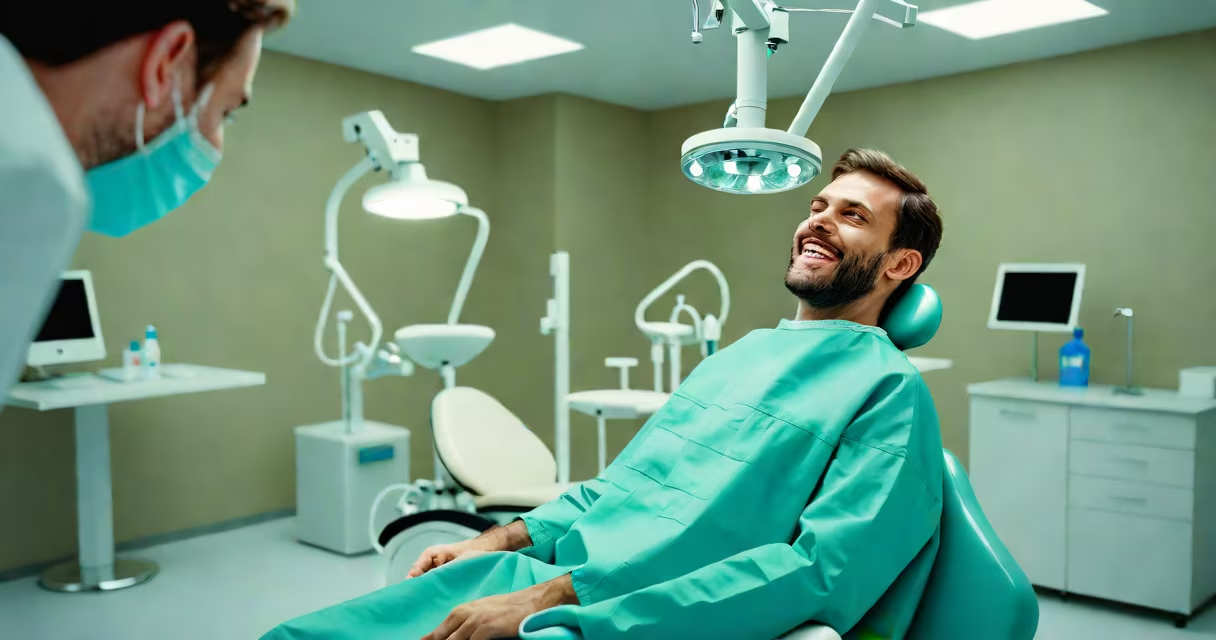
Dental school free dental work refers to dental treatments provided at accredited dental schools by supervised dental students at little or no cost to patients. These services are part of clinical training programs and offer access to essential dental care for people who may otherwise delay treatment due to cost.
These clinics operate under the direct supervision of licensed dentists and are accredited by the Commission on Dental Accreditation (CODA). Patients receive standard procedures such as cleanings, fillings, root canals, crowns, and tooth extractions-all performed by dental students under close oversight. The cost is typically 30% to 70% lower than private practice rates, depending on location and procedure.
The model supports both public health and professional education. By treating real patients, dental students gain hands-on experience while communities access care they might not afford otherwise. According to the American Dental Association (ADA), over 60 dental schools in the U.S. maintain public clinics that serve tens of thousands of patients annually.
Dental school free dental work operates through structured clinical rotations. Students progress from basic procedures like cleanings and exams to complex treatments such as implants and orthodontic referrals. Each procedure is reviewed and approved by a licensed faculty dentist before being performed.
Patient intake includes a medical history review, oral exam, and diagnostic imaging. For example, at the University of California, San Francisco School of Dentistry, new patients undergo a full assessment within the first visit. Appointments are scheduled based on availability and urgency-emergency cases are prioritized.
Payment is usually required at the time of service, though many schools accept Medicaid, Medicare, or sliding-scale fees based on income. Some schools even offer payment plans or waive fees entirely for qualifying individuals. At the University of Michigan School of Dentistry, patients earning below 200% of the federal poverty level qualify for reduced-cost care.
While most dental school clinics focus on general dentistry, some offer specialized services through advanced training tracks. The following table outlines common offerings by level of student training:
| Student Level | Common Procedures | Supervision Requirement |
|---|---|---|
| First-year | Exams, cleanings, fluoride treatments | Faculty dentist present |
| Second-year | Fillings, simple extractions, sealants | Faculty oversight during procedure |
| Third-year | Root canals, crowns, dentures | Faculty approval required before treatment |
| Fourth-year (advanced) | Implants, periodontal surgery, orthodontic adjustments | Board-certified specialist consultation |
Some schools also partner with local health departments to provide mobile outreach. For instance, the University of Washington's dental program runs biweekly mobile clinics in underserved neighborhoods, offering screenings and preventive care to residents without regular access to providers.
Dental school free dental work is widely used in urban and rural areas with high rates of untreated dental disease. The CDC reports that nearly 1 in 4 adults in the U.S. has untreated cavities, with disparities highest among low-income populations and racial minorities. These clinics help close that gap.
For example, the University of Texas Health Science Center at Houston operates a free dental clinic serving over 4,000 patients annually. Many are uninsured or underinsured. A 2022 study published in the Journal of Public Health Dentistry found that 87% of patients treated at such clinics reported improved oral health outcomes after six months, compared to 52% in control groups receiving no care.
Another key reason these clinics exist is workforce development. According to the ADA, only 14% of U.S. dentists practice in rural areas despite 20% of the population living there. Training students in diverse settings increases the likelihood they'll choose to work in underserved regions after graduation.
Many assume dental school free dental work is substandard. This is incorrect. All procedures meet national accreditation standards. The CODA requires that every treatment be documented, audited, and reviewed annually. Errors are tracked and addressed through quality assurance protocols.
A common confusion is equating "free" with "no cost." While some services are offered at no charge, most require partial payment. The term "free dental work" often misleads people into thinking care is completely free. In reality, prices are reduced-not eliminated. For example, a filling at a dental school clinic averages $120, compared to $300-$500 in private practice.
Another misconception is that only low-income patients qualify. While financial need is considered, eligibility is not restricted. Anyone seeking affordable care can apply. At the University of Pennsylvania School of Dental Medicine, patients from all income levels are accepted, with fees adjusted based on household size and earnings.
In 2023, Maria Lopez, a 42-year-old mother of two from Queens, New York, visited the Columbia University College of Dental Medicine's public clinic. She had avoided dental care for five years due to cost and fear of pain. Her initial exam revealed two decayed molars and early signs of gum disease.
She was assigned to a third-year student under the supervision of Dr. Elena Torres, a licensed periodontist. Over three visits, the student removed decay, placed composite fillings, and performed scaling and root planing. Total cost: $240. Maria's insurance covered $100, leaving her with $140 out-of-pocket-less than half the price she'd pay at a private office.
"I expected something rushed," Maria said. "But the student explained every step. The doctor checked in between sessions. I left feeling respected, not just treated."
Dental school free dental work is not the same as charity clinics run by nonprofits or government-funded programs. While all aim to improve access, dental school clinics are educational institutions with formal curricula and accreditation requirements. They are not reliant on donations or grants for operation.
Unlike free clinics that may limit services to emergencies or basic cleanings, dental school clinics offer full-spectrum care. They can perform complex restorative work, manage chronic conditions like periodontitis, and refer patients to specialists when needed.
One non-obvious fact: many dental schools use electronic health records (EHRs) that integrate with state dental databases. This allows tracking of long-term outcomes and ensures continuity of care-even if a patient moves or changes providers. The University of California, Los Angeles School of Dentistry uses a system linked to the California Dental Association's statewide registry, enabling follow-up across regions.
To find a clinic near you, search the American Dental Association's "Find a Dentist" tool and filter by "teaching hospital" or "dental school." Alternatively, visit the website of your nearest dental school. Most list clinic hours, accepted insurance, and application forms.
Appointments are not always available immediately. Wait times vary by location and demand. At the University of Minnesota School of Dentistry, average wait time is 6-8 weeks for new patients. However, urgent cases-such as severe pain or infections-are seen within 48 hours.
Patients should bring identification, proof of income, and any prior dental records. Some schools require a completed intake form sent in advance. Always confirm appointment details via phone or email to avoid missed visits.
For families seeking care, some schools offer pediatric services. The University of Missouri-Kansas City School of Dentistry provides free oral exams and fluoride varnish applications for children ages 3-12, funded through a partnership with the state's Department of Health.
dental school free dental work delivers reliable, affordable care through accredited academic institutions. It combines patient access with professional training, ensuring high-quality outcomes. If you're looking for a low-cost alternative to private dental offices, especially for preventive or restorative treatments, a dental school clinic is a valid and effective option.
For more information on community-based health initiatives, including those involving dental care, see hempstead union free school district.