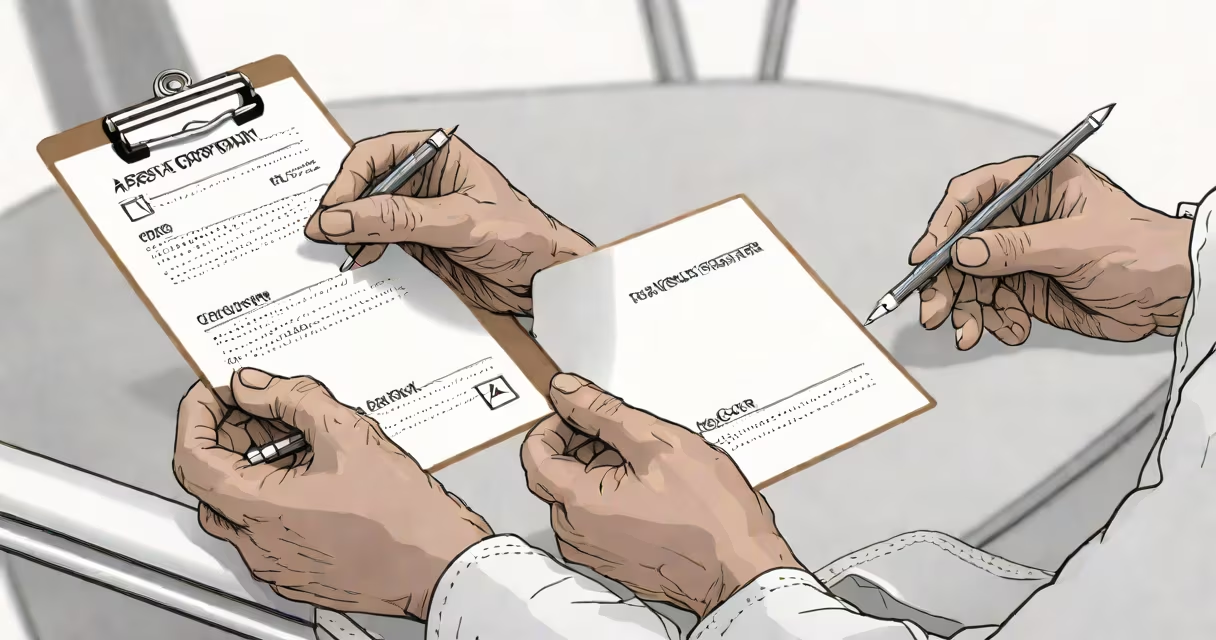
You do not always need to fast before blood work. Fasting is required only for specific tests, such as fasting glucose, lipid panels, and certain liver function assessments. For most routine blood draws, no fasting is needed.
Fasting means abstaining from food and drink (except water) for a set period before a blood test. The standard duration is 8 to 12 hours. Skipping this step can alter results, leading to inaccurate diagnoses. For example, eating before a glucose test may cause falsely elevated blood sugar levels, masking insulin resistance.
Not all labs require fasting. A complete blood count (CBC), thyroid panel, or basic metabolic panel typically do not. Always confirm your test list with your provider. Some clinics now offer non-fasting lipid panels, but traditional ones still demand a fast.
Fasting stabilizes baseline levels of key substances in your blood. After eating, digestion increases triglycerides, glucose, and insulin. These fluctuations can distort readings, especially for metabolic markers.
For instance, a fasting glucose test measures blood sugar after 8 hours without food. A result above 126 mg/dL indicates diabetes. Without fasting, the value may rise due to recent meals, leading to a false positive. Similarly, triglyceride levels can double after a high-fat meal, skewing lipid profile results.
Most labs specify fasting windows. The typical window is 8 to 12 hours. Starting your fast at 8 PM the night before a 7 AM test ensures compliance. Drinking water is permitted throughout the fast. Coffee, tea, and juice are not.
The following tests usually require fasting:
| Test | Typical Fasting Window | Why Fasting Matters |
|---|---|---|
| Fasting Glucose | 8-12 hours | Measures baseline blood sugar; food raises levels artificially. |
| Lipid Panel | 9-12 hours | Triglycerides spike after eating; fasting gives accurate cholesterol levels. |
| Insulin Resistance (HOMA-IR) | 10-12 hours | Requires stable insulin and glucose levels for accurate calculation. |
| Basic Metabolic Panel (BMP) | Not required | Measures electrolytes, kidney function; food doesn't affect results. |
Some providers order "non-fasting" lipid panels. These measure total cholesterol, HDL, LDL, and triglycerides without requiring a fast. However, they're less precise for triglyceride assessment. The American Heart Association notes that non-fasting panels are acceptable for screening but may miss early dyslipidemia.
Always check your lab requisition form. If fasting is required, it will state "fasting required" or "8-hour fast." If unclear, contact your healthcare provider or the lab directly.
Water is the only acceptable beverage during a fast. It maintains hydration and prevents dizziness. Dehydration can concentrate blood components, affecting sodium, creatinine, and hematocrit levels.
Coffee, tea, energy drinks, and flavored water are not allowed. Even black coffee can stimulate cortisol and insulin release, altering glucose and stress hormone readings. A 2021 study in Metabolism found that caffeine intake before a glucose test increased insulin response by 14% compared to placebo.
Chewing gum, mints, and breath fresheners are also prohibited. They trigger salivary and gastric responses that can influence insulin and glucose regulation. Even sugar-free gum contains artificial sweeteners that may affect gut hormones.
Medications are a gray area. Most prescription drugs can be taken with water unless instructed otherwise. For example, statins are often taken at night, so timing matters. Always consult your doctor about medication schedules around fasting.
Many people assume all blood tests require fasting. This is incorrect. A CBC, urinalysis, or vitamin D test does not. Fasting is only necessary for metabolic and lipid-related panels.
Another myth is that skipping a fast only slightly affects results. In reality, even a small meal can raise triglycerides by 20-50% within 2 hours. A 2019 study in Journal of Clinical Lipidology showed that consuming a high-fat breakfast increased postprandial triglycerides by 38% in healthy adults.
Some patients believe they can "cheat" by drinking only water and eating nothing. But even a single bite of toast can improve glucose by 15-20 mg/dL. Labs reject samples with suspected non-compliance and reschedule the test.
I once observed a patient arrive late for a fasting glucose test after eating a banana. The result was 187 mg/dL-well above the diabetic threshold. After repeating the test with proper fasting, the result dropped to 92 mg/dL. The difference was clinically significant.
Fasting is not safe for everyone. People with diabetes, hypoglycemia, or eating disorders may experience dangerous drops in blood sugar. If you have a history of low blood sugar, inform your provider before scheduling a fasted test.
Pregnant women and children under 12 are also at higher risk. A child who skips lunch for a blood test may develop lightheadedness or fainting. Providers often adjust protocols for pediatric patients.
If you're unsure whether to fast, ask your doctor. Some labs allow you to take the test without fasting and then repeat it later if needed. This avoids unnecessary delays.
If you eat or drink something other than water before your test, notify the phlebotomist upon arrival. They may still accept the sample, but the result could be flagged as unreliable.
Most labs will reschedule the test. This causes delays and additional costs. To avoid this, plan your fast carefully. Set a reminder the night before. Avoid late-night snacks or morning coffee.
For non-fasting tests, you can eat normally. Some clinics now offer walk-in testing with no prep. Check your provider's website or call ahead to confirm.
Not all blood work requires fasting. Only tests measuring glucose, lipids, and insulin need a fast. Confirm your test list with your provider or lab. Water is the only acceptable drink during a fast.
Breakfast foods, coffee, and gum can invalidate results. If you accidentally eat, rescheduling is likely. Always verify fasting instructions before your appointment.